
Last updated November 25, 2026
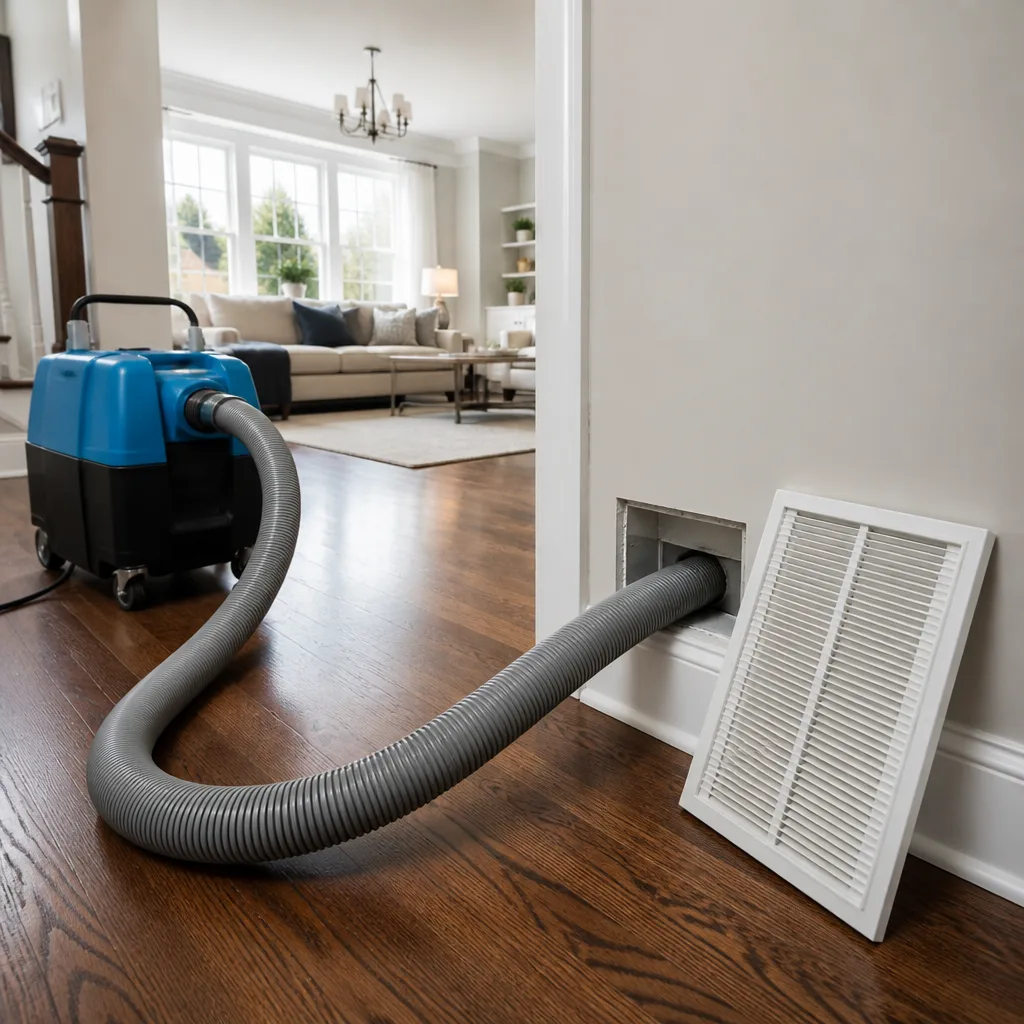 Whole-home duct cleaning
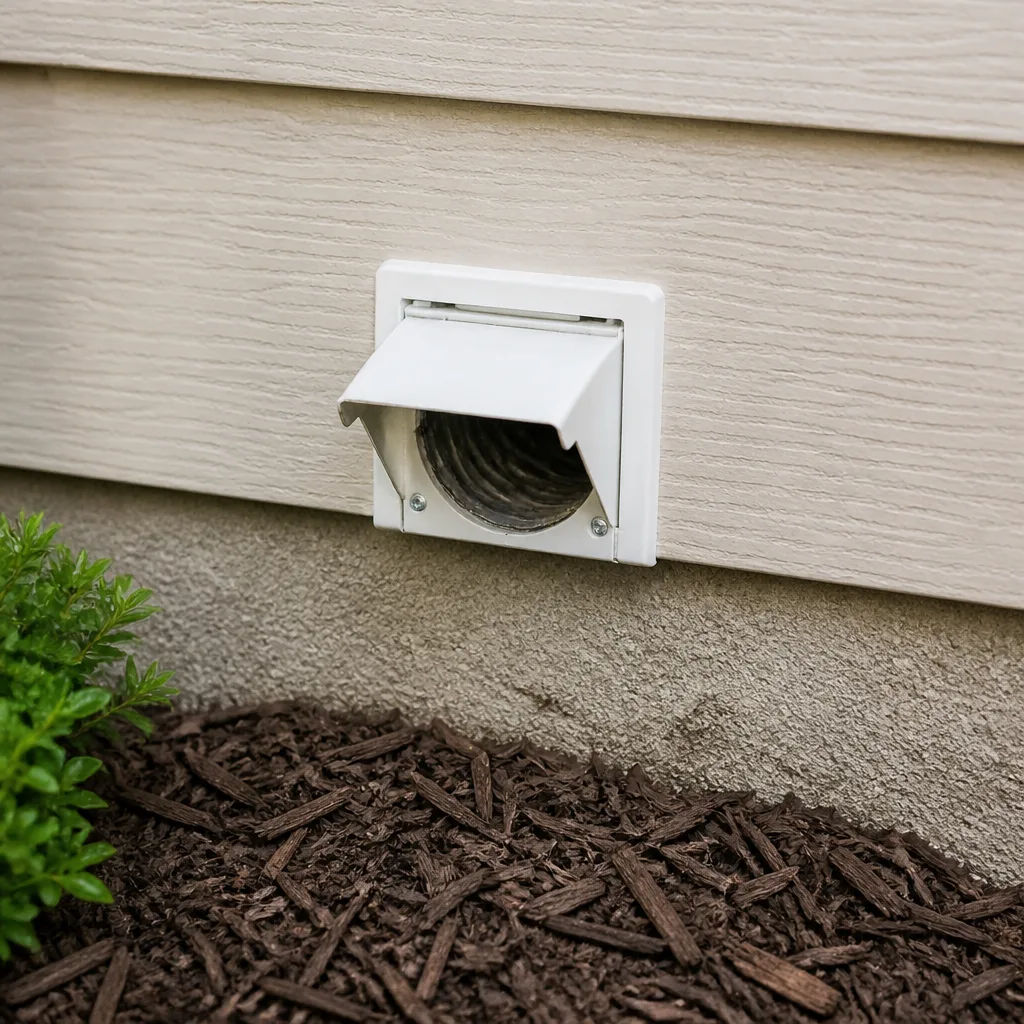 Dryer vent cleaning
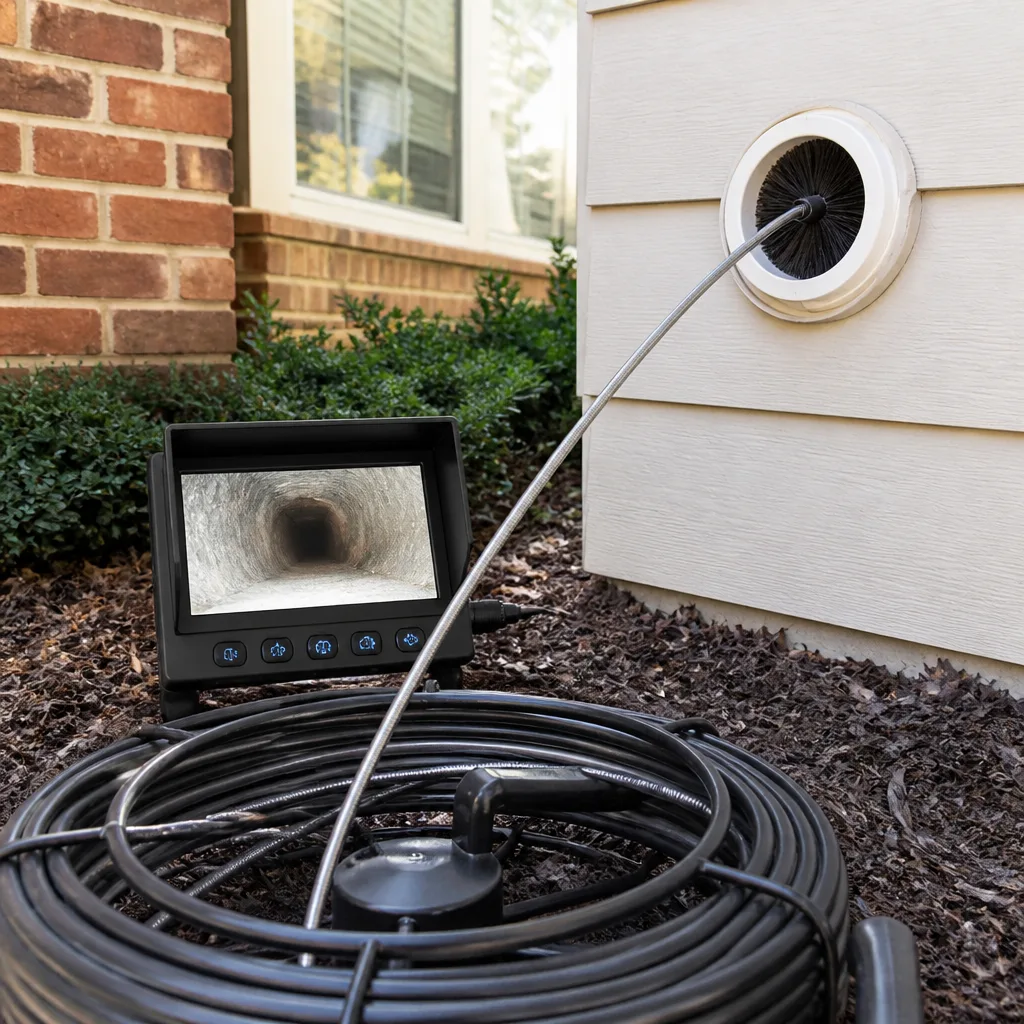 Camera inspection
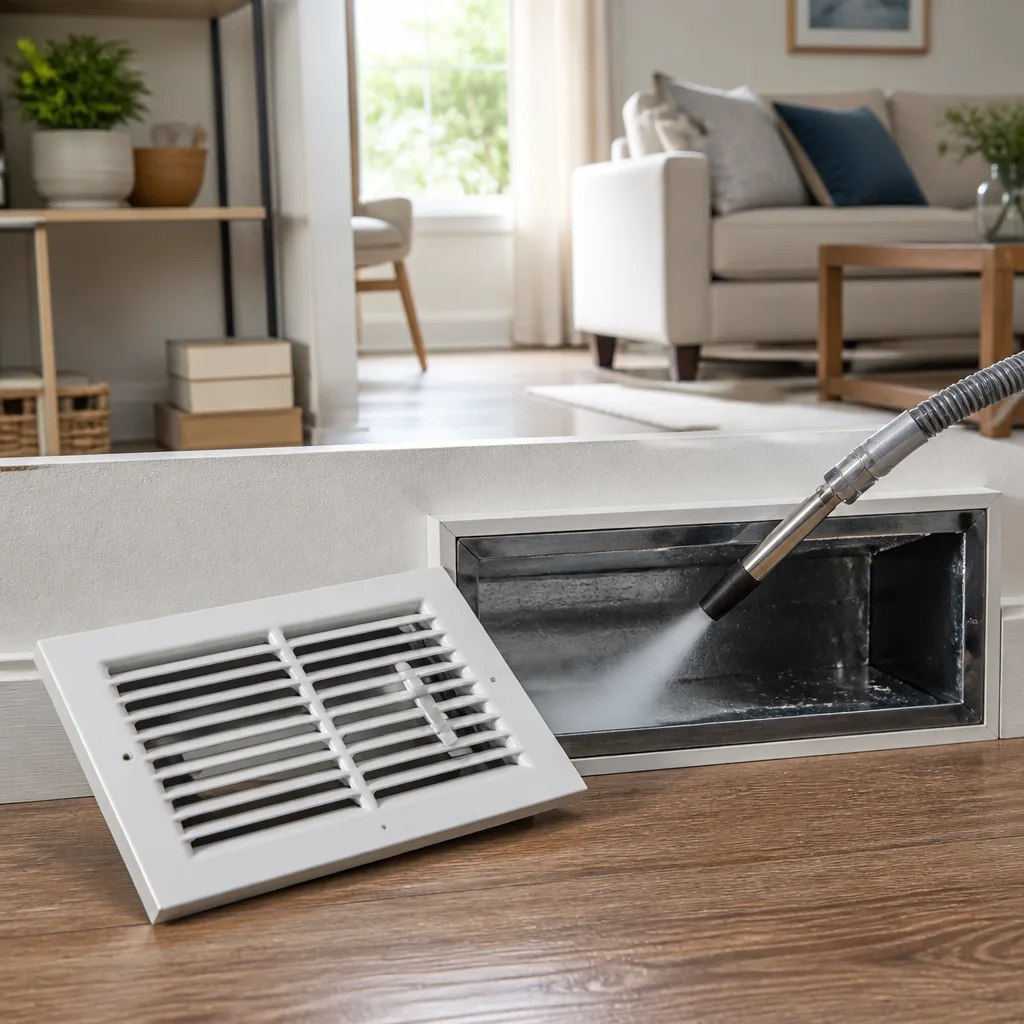 Sanitizing & deodorizing
Whole-system duct and dryer vent check with before-and-after photos - you see exactly what came out of your vents
That "$99 whole-house special" is a bait ad - the real number appears once they are in your hallway, or the "clean" is a shop-vac at the register. We photograph the inside of your ducts before and after instead.
Air Duct Cleaning Maintenance Checklist for Englewood Homeowners
Most duct cleaning advice you’ll find online was written for a house at sea level. Englewood isn’t that house. At roughly 5,300 feet, the air pressure here is lower, and a blower pushing the same CFM moves a thinner, less dense airstream that carries fine particulate differently than it would in a coastal or lowland system. In practice, that means dust, pollen, and wildfire ash settle deeper into duct runs and cling harder to the walls of the plenum before your filter ever catches them. A checklist built for the Front Range has to account for that, plus dry winters that build static charge on debris and the evaporative coolers plenty of Englewood homes still run in summer. Below you’ll find a cadence that actually fits how systems degrade here: what to check monthly, what to check quarterly, what belongs on the annual list, and the specific point where a homeowner’s visual inspection should hand off to a professional.
Quick Answer
A workable air duct maintenance checklist for an Englewood home means checking filters and return grilles monthly, inspecting accessible ductwork and registers quarterly, and scheduling a full professional cleaning every two to four years, sooner if you run an evaporative cooler or live with pets or allergy sufferers. Because Front Range dust loads are high and wildfire smoke season overlaps summer cooling, filter changes land more often here than the standard “every three months” advice suggests. Document what you find each time. Patterns matter more than any single inspection.
Styles & brands we work with
- Whole-home duct cleaning
- Dryer vent cleaning
- Camera inspection
- Sanitizing & deodorizing
Table of Contents
- Why Duct Maintenance in Englewood Is Different
- Monthly Tasks: Filters and Return Grilles
- Quarterly Tasks: What You Can Safely Inspect
- Annual Tasks and the Professional Cadence
- Choosing Filters for Wildfire Season vs. Winter Heating
- Evaporative Coolers and Moisture in Your Ducts
- When a Visual Check Becomes a Professional Job
- Documenting Your System Over Time
Why Duct Maintenance in Englewood Is Different
Altitude changes how a forced-air system behaves. At 5,300 feet, the air is thinner, so a blower rated for a certain airflow at sea level delivers less mass of air per minute in Englewood. To heat or cool the same rooms, the system often runs longer or pushes harder, and that extra runtime pulls more total particulate through the filter and past it. When a filter loads up faster than the homeowner expects, the bypass dust ends up on the duct walls, the blower wheel, and the evaporator coil.
Layer two local conditions on top of that:
- Dry winters. Low humidity in a Colorado winter lets dust stay airborne longer, and the dry air builds static charge on fine debris so it clings to flex duct and metal rather than settling where a vacuum can reach it cleanly.
- Wildfire smoke season. Front Range summers regularly bring smoke plumes that push fine ash and combustion particulate into outdoor air. Any infiltration at the return or around a poorly sealed register pulls that material inside.
- Evaporative cooler use. Swamp coolers add moisture to an airstream. On ducts and components not designed for it, that moisture encourages dust to cake and creates conditions where biological growth can take hold.
None of these are reasons to panic. They’re reasons to build a checklist around the actual conditions in Englewood rather than copying a generic guide written for a humid climate at sea level. If you want the full scope of what professional service covers here, our air duct cleaning page walks through it in detail.
Monthly Tasks: Filters and Return Grilles
Ten minutes a month is the highest-return habit on this list. The single most common reason ducts load up in Englewood is a filter that stayed in service well past the point where it was passing air instead of trapping it.
- Pull the filter and hold it up to a light. If you can’t see light through it, replace it. Don’t wait for the calendar.
- Note the date you changed it. Write it on the filter frame with a marker. This one habit turns guesswork into data.
- Vacuum the return grille face. A brush attachment on a household vacuum clears the dust mat that forms on the grille and reduces what gets drawn in next cycle.
- Look at the grille edges. Dust streaks around the perimeter mean air is bypassing the filter housing, and that unfiltered air is headed straight into your ducts.
- Walk the house and listen. Any register that whistles or feels noticeably weaker than the others is worth noting for your quarterly check.
During wildfire smoke events, check the filter every two to three weeks instead of monthly. Fine combustion particulate loads a filter fast, and a clogged filter during smoke season means the system is pulling unfiltered air from every leak in the return path. That’s the moment when professional cleaning moves up the schedule.
Quarterly Tasks: What You Can Safely Inspect
Some of the system is yours to inspect. Some of it isn’t, and knowing the line protects both your equipment and you. Stick to the parts that are visible and reachable without opening sealed equipment or climbing into tight spaces.
Safe for a homeowner to check
- All supply and return registers. Remove the grille (usually two screws) and look inside with a flashlight. You’re looking for dust buildup on the visible duct wall, debris, or moisture. Reinstall the grille when done.
- Accessible flex duct in a basement or crawlspace. From the floor, look for crushed sections, kinks, disconnected joints, or tears. You don’t need to handle it, just note it.
- Return air path. Confirm the return grille isn’t blocked by furniture, rugs, or a closed door that starves the system.
- The air handler cabinet exterior. Look for dust streaks at seams and around the filter slot, which suggest air leaking past the filter.
- Condensate and moisture signs. Any staining, rust, or musty smell near the air handler or a register deserves a professional look.
Not safe, and not yours to do
Anything inside the air handler cabinet, the blower compartment, the evaporator coil, or the electrical section is off-limits. Duct runs that require climbing into a hot attic or tight crawlspace are also a professional job. Beyond the obvious injury risk, a homeowner reaching into energized equipment can damage components. When you reach something on this list, stop and call. Our HVAC cleaning page covers what that service involves.
Annual Tasks and the Professional Cadence
A full professional cleaning every two to four years fits most Englewood homes. Tighten that to every one to two years if you run an evaporative cooler, have multiple pets, or someone in the house has asthma or allergies. The annual homeowner side of the checklist is mostly about reviewing what you’ve documented and booking the pro visit before degradation becomes a repair.
- Review your filter log. Count how many filters you went through. A jump from three a year to six is your first signal the system is working harder.
- Compare register airflow room to room. Note any room that has weakened since last year. Uneven airflow often means a leak or a partial blockage in a run.
- Schedule a professional inspection and cleaning. A full-system service includes the ducts, registers, blower, and coil surfaces.
- Add dryer vent cleaning as a standalone. Lint buildup in a dryer vent is a leading cause of residential fires, and it’s easy to forget because the dryer still runs. Our dryer vent cleaning page explains why this one belongs on the annual list even if your ducts are fine.
- Ask about duct repair and sealing. Cleaning opens the door to fixing leaks you didn’t know you had. Sealing loose joints closes the loop and stops the system from pulling attic or crawlspace air into the house.
When you do book, ask what equipment the company brings. Our technicians have up to 8 years of experience and use professional-grade Rotobrush and Nikro systems with Abatement Technologies HEPA filtration running on-site to capture dislodged debris rather than recirculating it. That equipment difference is what separates a real clean from a surface pass.
Choosing Filters for Wildfire Season vs. Winter Heating
The filter that’s right in February isn’t the filter that’s right in August. During winter heating, the priority is protecting the blower and coil from ordinary dust at a pressure drop the system can handle. During wildfire smoke season, the priority shifts to capturing fine combustion particulate, and that means a higher MERV rating, replaced more often.
- Winter heating: A mid-range pleated filter in the MERV 8 to MERV 11 range is a sensible standard. It captures dust and pollen without choking airflow in the thinner air at altitude, where a high-restriction filter can force the blower to work harder than it should.
- Wildfire smoke season: Step up to MERV 13 if your system can handle it, and check it every two to three weeks. Confirm the rating on the package before you buy.
- Never run without a filter. A missing filter lets the coil and blower become the filter, and cleaning that out costs far more than a filter ever will.
- Match the filter to the filter slot, not the box. A filter that’s too thin lets air bypass around the edges. Check the size printed on the frame of your current filter.
If your system uses a whole-house filtration brand like Honeywell or Aprilaire, check the manufacturer’s recommended replacement rating before swapping in a different filter. Our technicians are familiar with both, so if you’re unsure what your housing takes, ask during your next service call.
Evaporative Coolers and Moisture in Your Ducts
Many Englewood homes cool with a swamp cooler, and the ducts feeding those systems see different conditions than a standard refrigerated system. Evaporative coolers push cool, humidified air through the ducts. That moisture combines with Front Range dust, and the result is debris that cakes onto duct walls and resists a quick vacuum. Where moisture lingers, conditions can support mold and bacterial growth.
The checklist adjustments for an evaporative-cooler home:
- Check accessible ducts for moisture each spring before you fire the cooler up for the season.
- Look for musty odor at registers in the first weeks of cooling season. That smell is a signal, not just an annoyance.
- Shorten your professional cadence to every one to two years rather than two to four.
- Ask about sanitizing after cleaning. Cleaning removes debris, but sanitizing targets the biological contaminants a vacuum alone can’t reach. Our team treats it as a separate documented service, not an add-on line item.
If any register or duct section shows discoloration or a persistent musty smell, don’t run the cooler until a professional has looked at it.
When a Visual Check Becomes a Professional Job
A homeowner’s checklist is a triage tool. There’s a specific list of findings that mean your inspection has found something a shop vac and a new filter can’t fix. Call when you see any of these:
- Visible mold or persistent musty odor anywhere in the duct system or at a register.
- Debris, rodent droppings, or nesting material in accessible ducts.
- Crushed, disconnected, or torn flex duct you can safely see from the floor.
- An overturned filter or a filter housing that lets air bypass around the edges.
- A sudden or worsening imbalance in airflow between rooms.
- A visible layer of dust on duct walls inside the registers that comes back within weeks.
- Any moisture, rust, or staining near the air handler.
Any one of these is a reason to book a professional inspection. Two or more together and you’re looking at a system that’s likely pulled unfiltered air for a while. Our technicians use HEPA filtration during the job to contain dislodged material, then repair and seal any leaks found so the cleaning holds. Call (877) 492-4041 to talk through what you’re seeing.
Documenting Your System Over Time
A maintenance checklist that never gets written down is just a memory. The homeowners who keep their systems in the best shape are the ones who track what they find, because a pattern shows up long before a repair bill does. Here’s what to record:
- Filter changes. Date and MERV rating for every change. This log is your early-warning system.
- Register observations. Note any change in airflow or visible dust at each register during your quarterly check.
- Photo record. Snap a photo of the inside of a register at the same point each quarter. Comparing photos side by side makes slow buildup obvious.
- Professional visits. Keep the invoice and any before-and-after photos the technician provides. Before-and-after photos of your own ducts are the clearest evidence a clean actually happened.
- Repairs and sealing. Note where joints were sealed or runs replaced, so future inspections don’t chase the same leaks.
Over a couple of years, a simple notebook or a folder of photos tells you whether filtration is holding or the system is slipping. When you hand that record to a technician, the diagnosis gets faster and more accurate. That’s leverage you build yourself, and it’s free.
Common Mistakes to Avoid
- Running the highest-MERV filter you can find year-round. At altitude, an over-restrictive filter can choke airflow and make the blower work harder than it should. Match the filter to the season and to what your system is rated for.
- Waiting for visible dust before changing the filter. By the time you see it, the filter has been bypassing for weeks. Pull it and check it against a light.
- Skipping the dryer vent. Dryer vent cleaning is separate from duct cleaning and easy to forget because the dryer still runs. Lint buildup is a leading cause of residential fires. Add it to the annual list and keep it there.
- Trusting a “cheap” duct cleaning quote as your only data point. A low headline price with no scope of work tells you nothing. Ask what equipment they bring and whether they repair what they find.
- Ignoring the evaporative cooler in the off-season. Moisture problems start in the shoulder seasons, not in July. Inspect before cooling season starts.
- Assuming a new filter fixes weak airflow. If a room is still weak after a filter change, the problem is in the duct run, not the filter. That’s a professional inspection.
- Not writing anything down. A checklist with no log is a checklist you’ll repeat from scratch. Keep the dates and photos.
See the difference
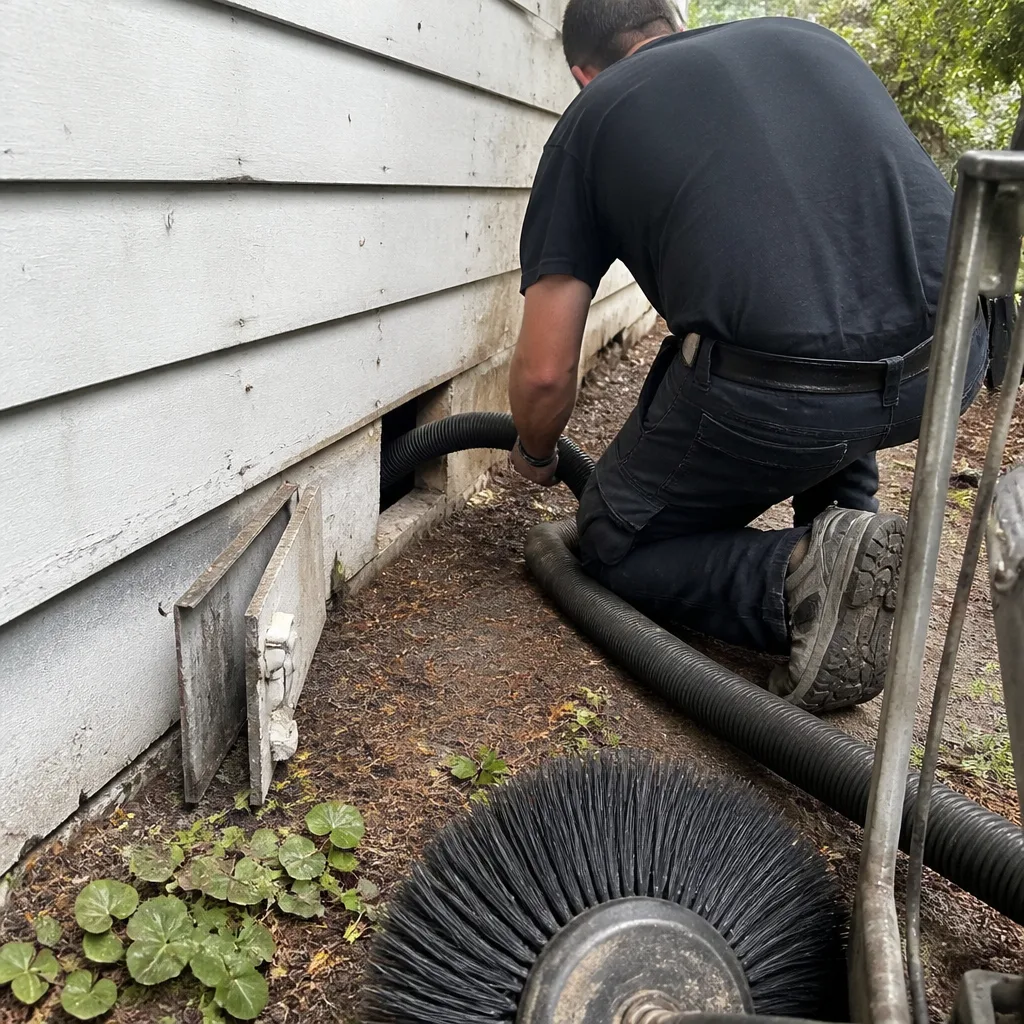 Before
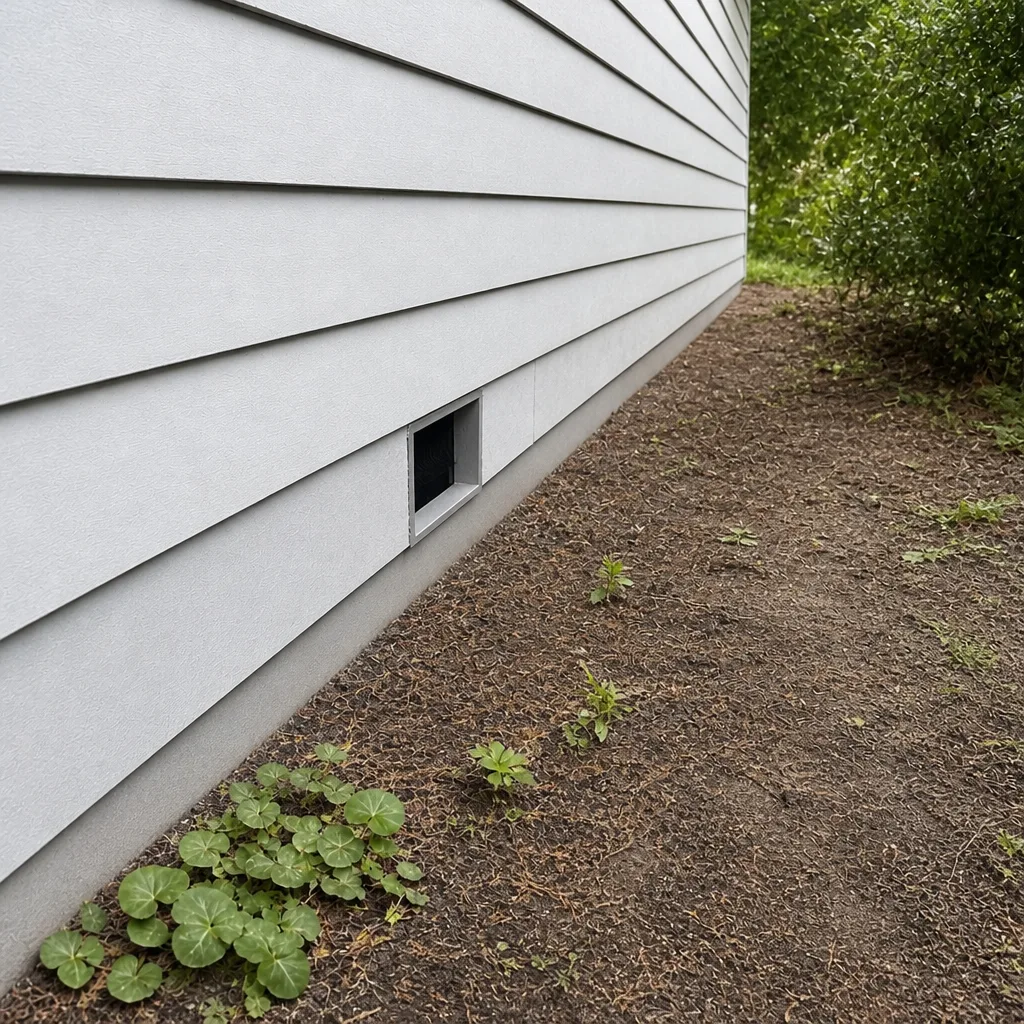 After
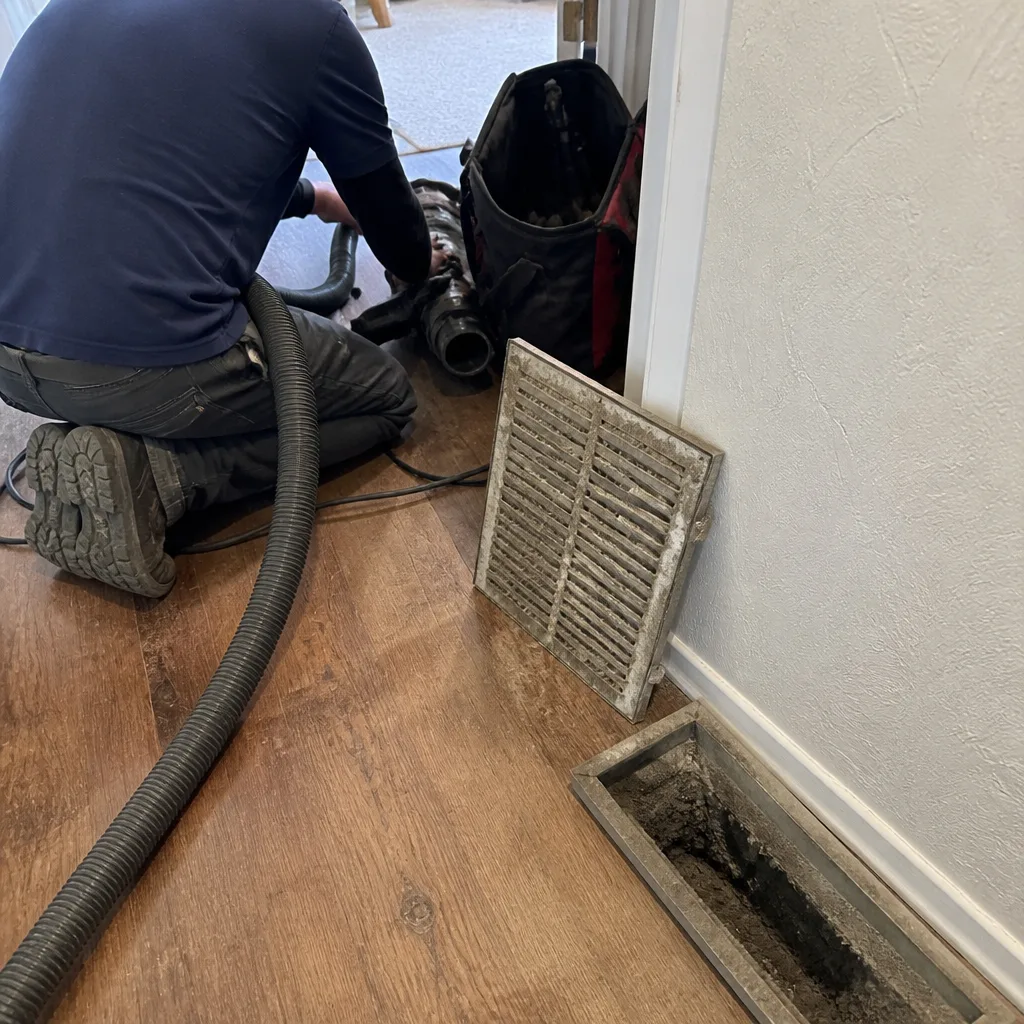 Before
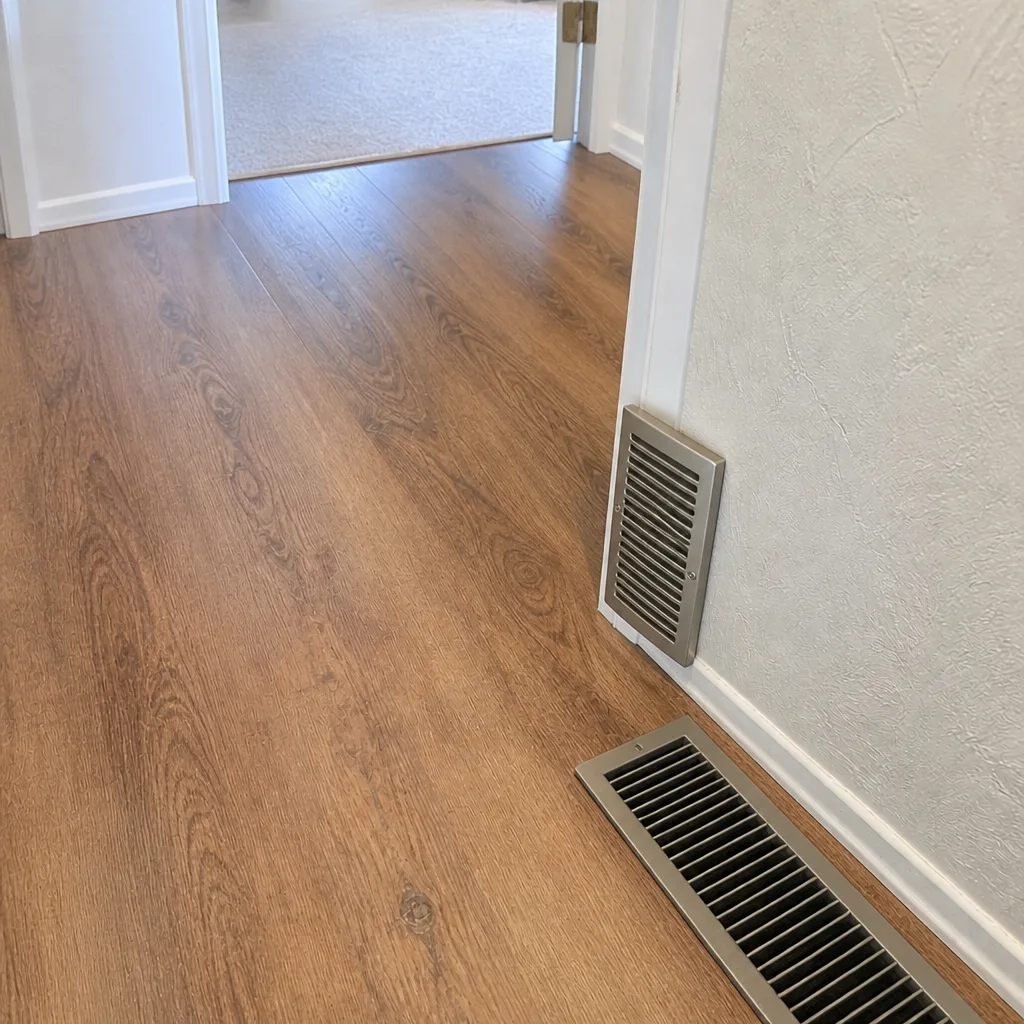 After
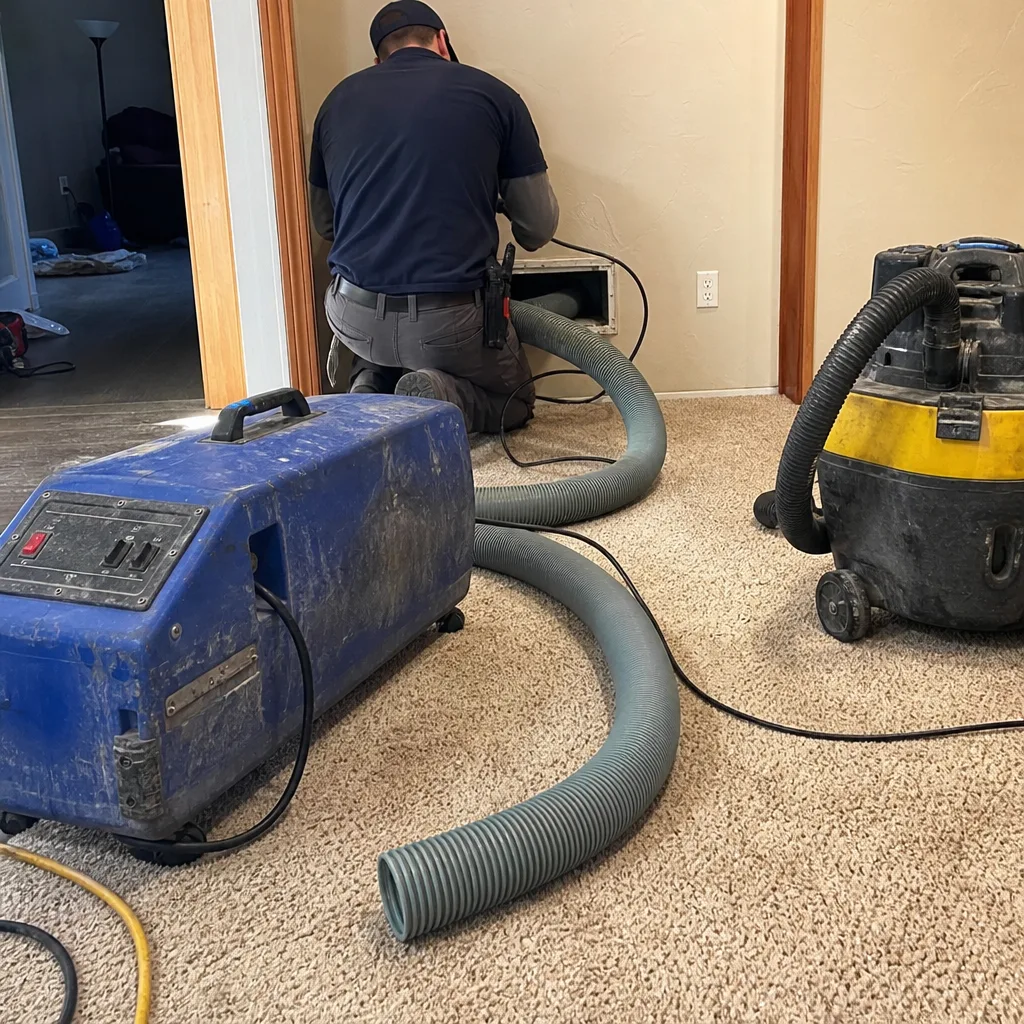 Before
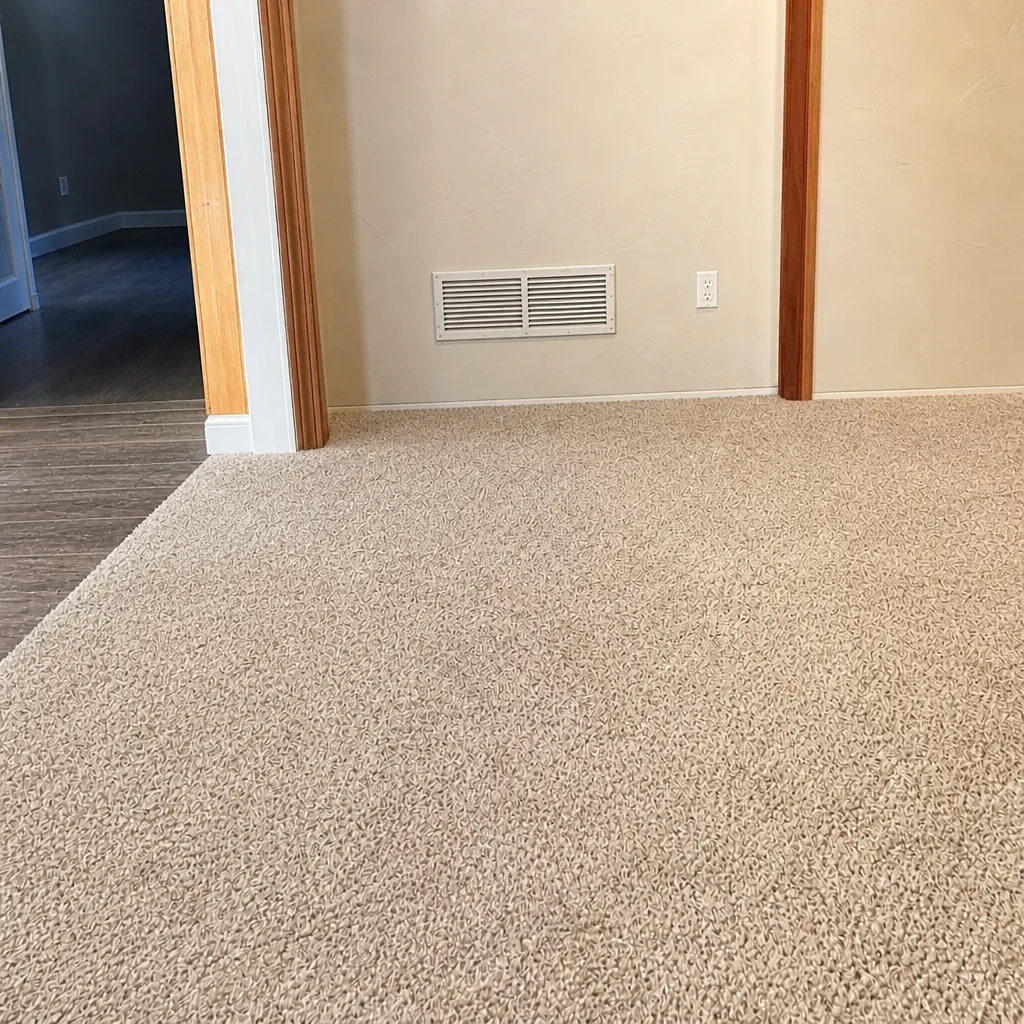 After
When to Call a Professional
Call a professional when your inspection finds mold or musty odor, debris or nesting material inside accessible ducts, crushed or disconnected flex duct, or dust that returns to the register walls within weeks of cleaning. Call sooner if you run an evaporative cooler, have pets or allergy sufferers in the house, or have just moved into or renovated an Englewood home with unknown duct history. The professional job includes cleaning, repair and sealing, and sanitizing as a separate documented service when biological contamination is present. Englewood Air Duct Cleaning Pros offers free estimates in Englewood and services across the Front Range. Call (877) 492-4041. We answer 24/7. Fast dispatch from 7am to 7pm, Sunday through Friday. If you want a broader picture of what full-service care looks like, start at Englewood Air Duct Cleaning Pros.
Frequently Asked Questions
Every two to four years is a sensible baseline for most Englewood homes. Move that to every one to two years if you run an evaporative cooler, have multiple pets, or someone in the house has asthma or allergies. High-altitude dust loads and wildfire smoke season are why Front Range homes tend to sit closer to the frequent end of that range.
MERV 8 to 11 during winter heating, stepping up to MERV 13 during wildfire smoke season if your system is rated for it. At 5,300 feet, a filter that’s too restrictive can force the blower to work harder than it should, so check the rating before you buy and confirm what your system’s filter housing takes.
Yes, for the visible and accessible parts. Removing a register grille and looking inside with a flashlight is safe. Anything inside the air handler, blower compartment, evaporator coil, or electrical section is not. Attic and crawlspace duct runs are also a professional job.
Ask for before-and-after photos of your own ducts, not stock images. Any professional job should document what was found and what was removed. If a company can’t show you photos of your specific system, that’s your answer.
A very low quote usually means surface sweeping with consumer-grade tools, no HEPA containment, and no repair when they find a leak. A professional job uses professional equipment, contains the dislodged debris, and fixes what it uncovers. Ask what equipment they bring before you compare prices.
Yes, and it’s a standalone service. Dryer vent cleaning is separate from duct cleaning because the two systems are separate, and lint buildup in a dryer vent is a leading cause of residential fires. Put it on your annual list even when your ducts are clean.
The Bottom Line
An Englewood duct maintenance checklist works when it’s calibrated to Englewood. Lower air pressure at altitude means the blower runs harder, dry winters build static on fine debris, wildfire smoke season loads filters fast, and evaporative coolers introduce moisture into systems not built for it. Check filters every month, inspect what’s safely accessible every quarter, book a professional cleaning every two to four years (sooner with coolers or pets), and write down what you find each time. Keep the dryer vent on the annual list. Document the rest. When your inspection turns up something a vacuum can’t handle, that’s the point to call.
Written by the team at Englewood Air Duct Cleaning Pros.