
Last updated November 25, 2026
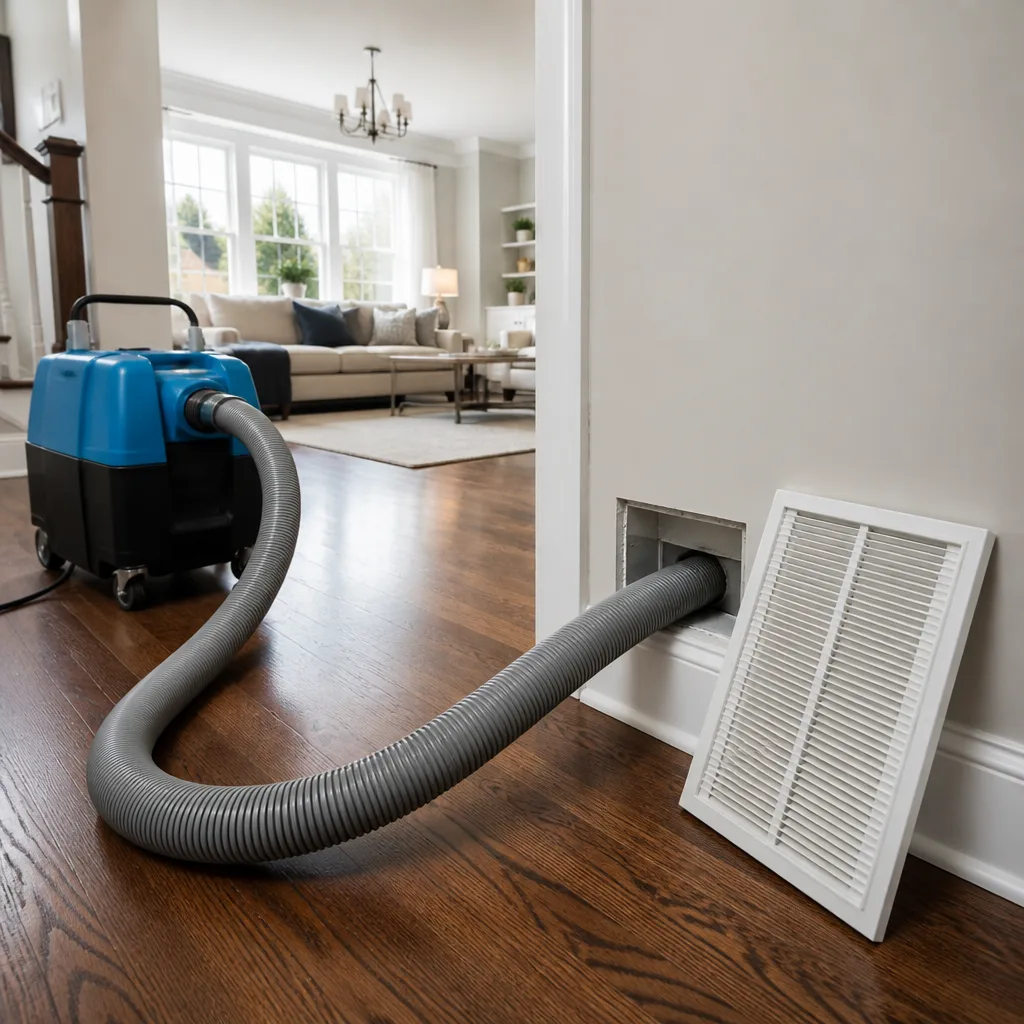 Whole-home duct cleaning
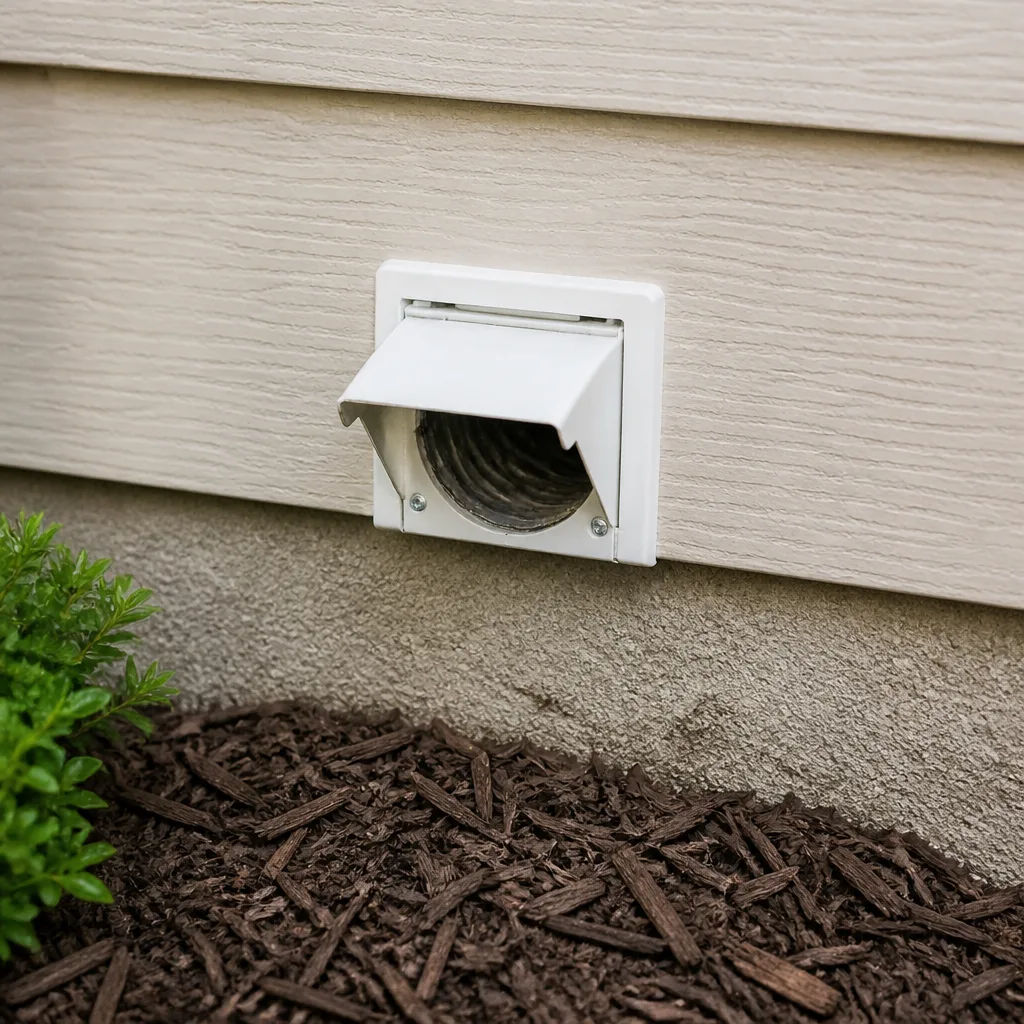 Dryer vent cleaning
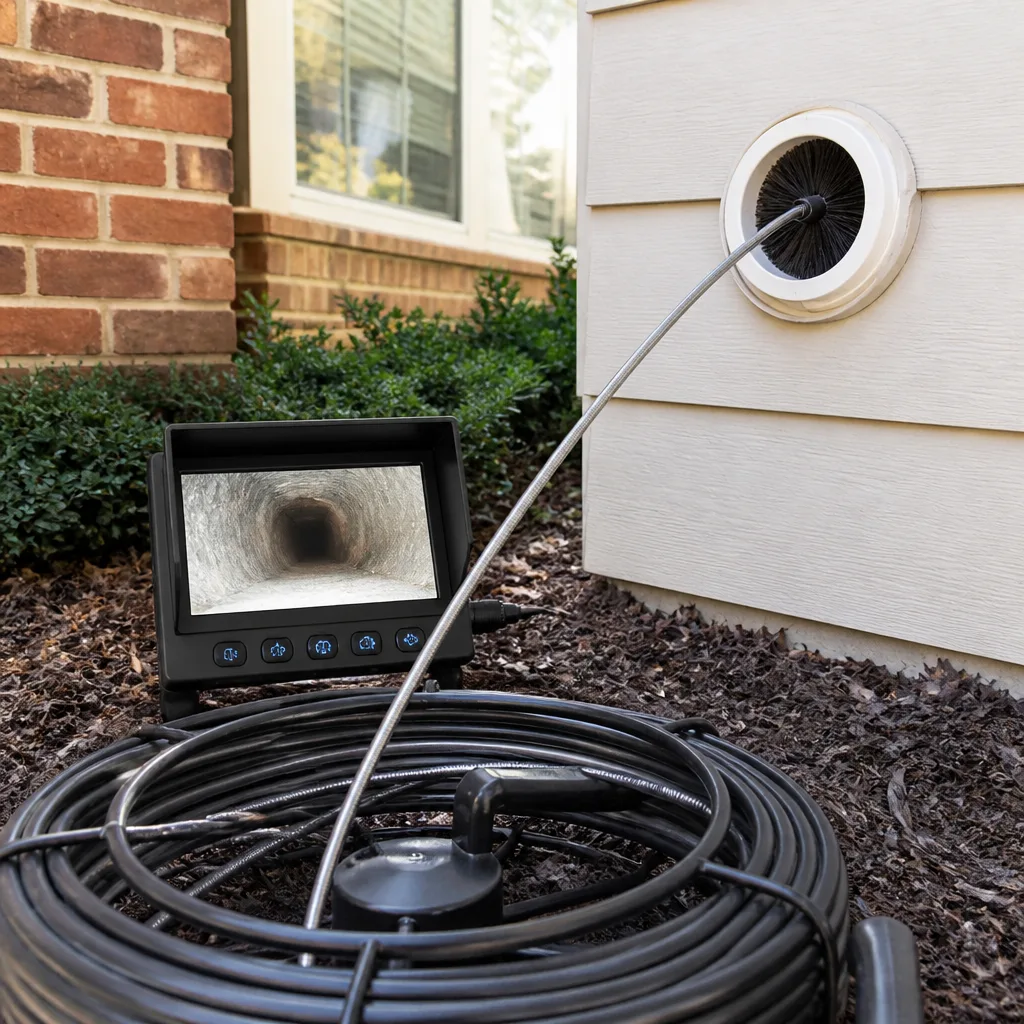 Camera inspection
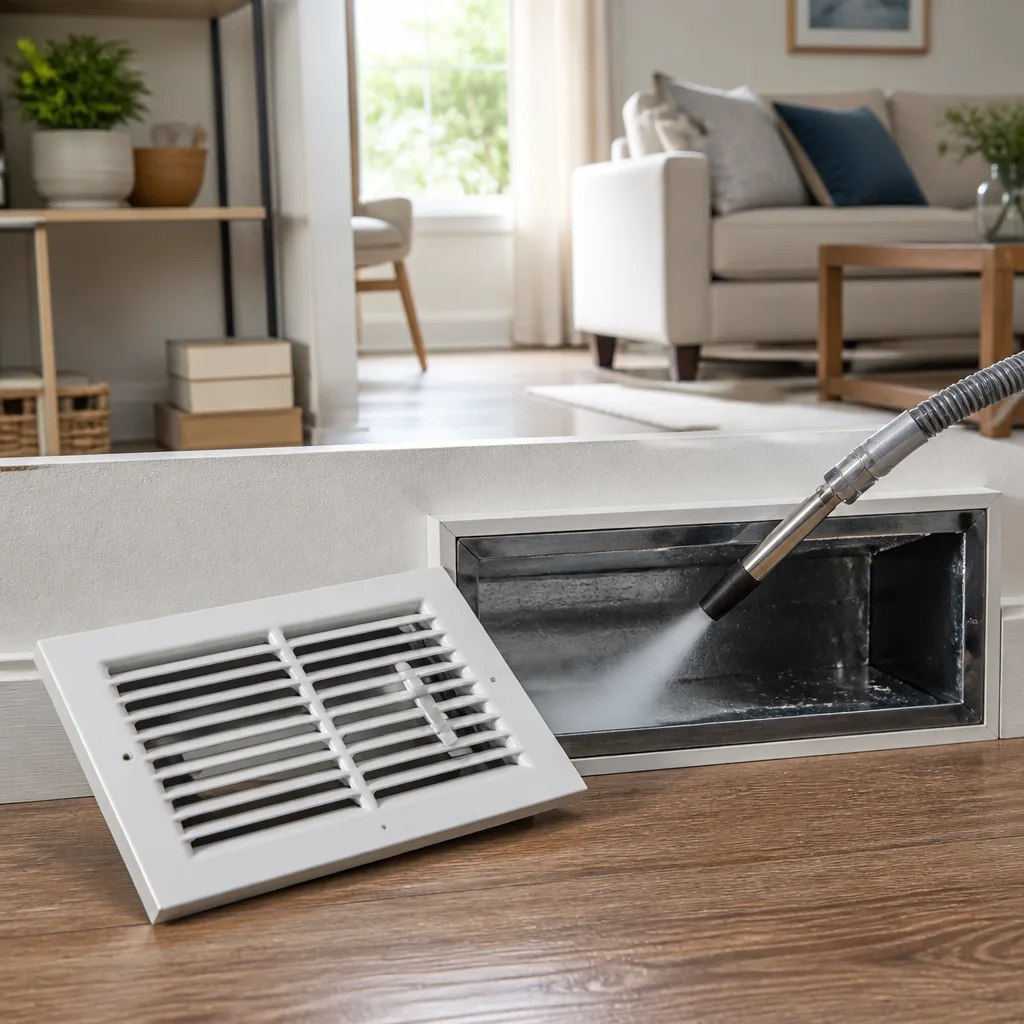 Sanitizing & deodorizing
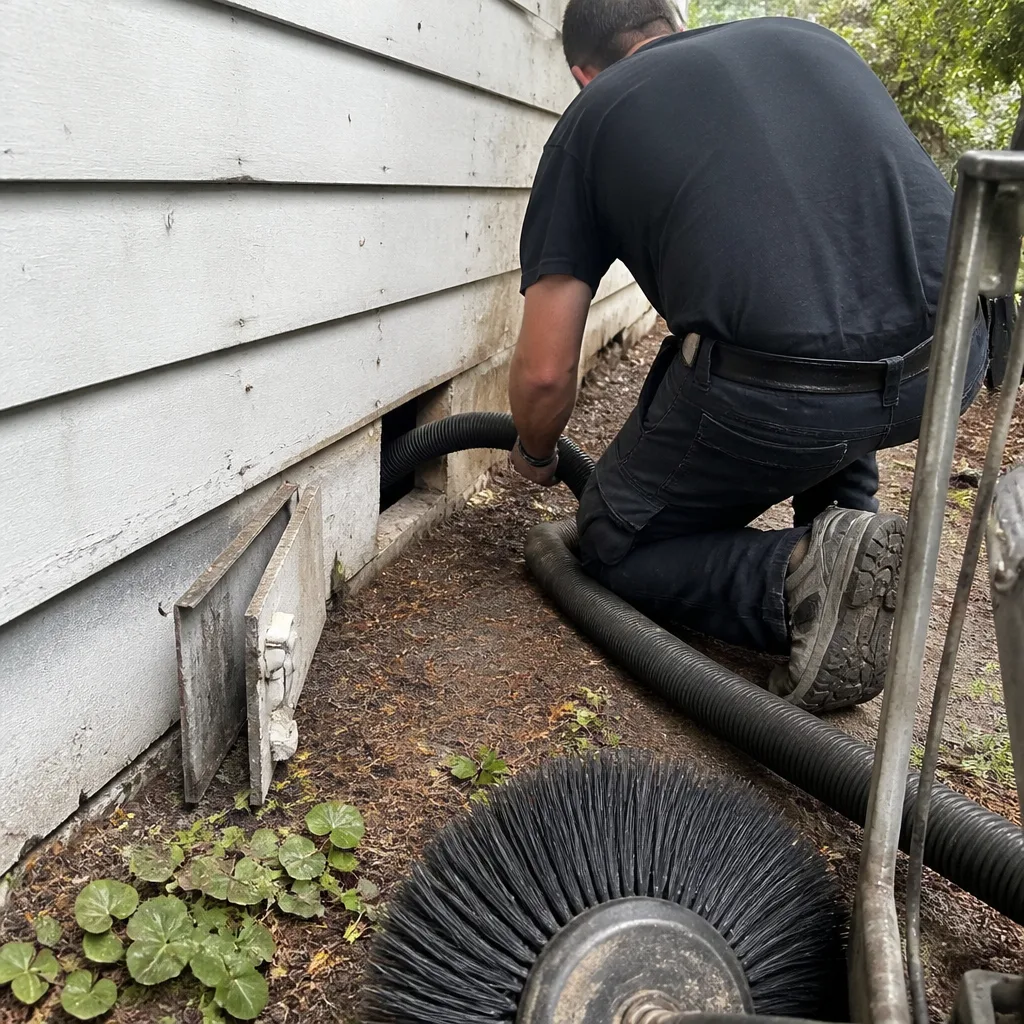
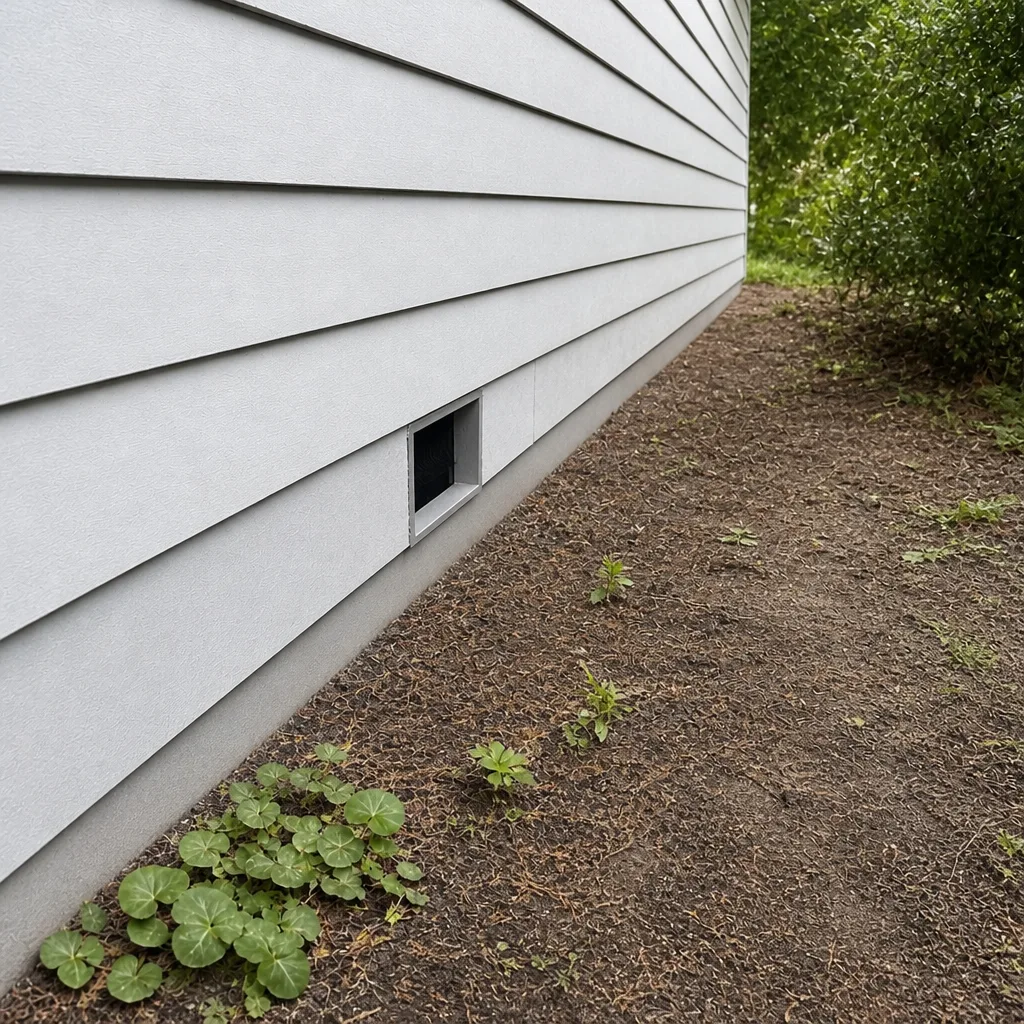
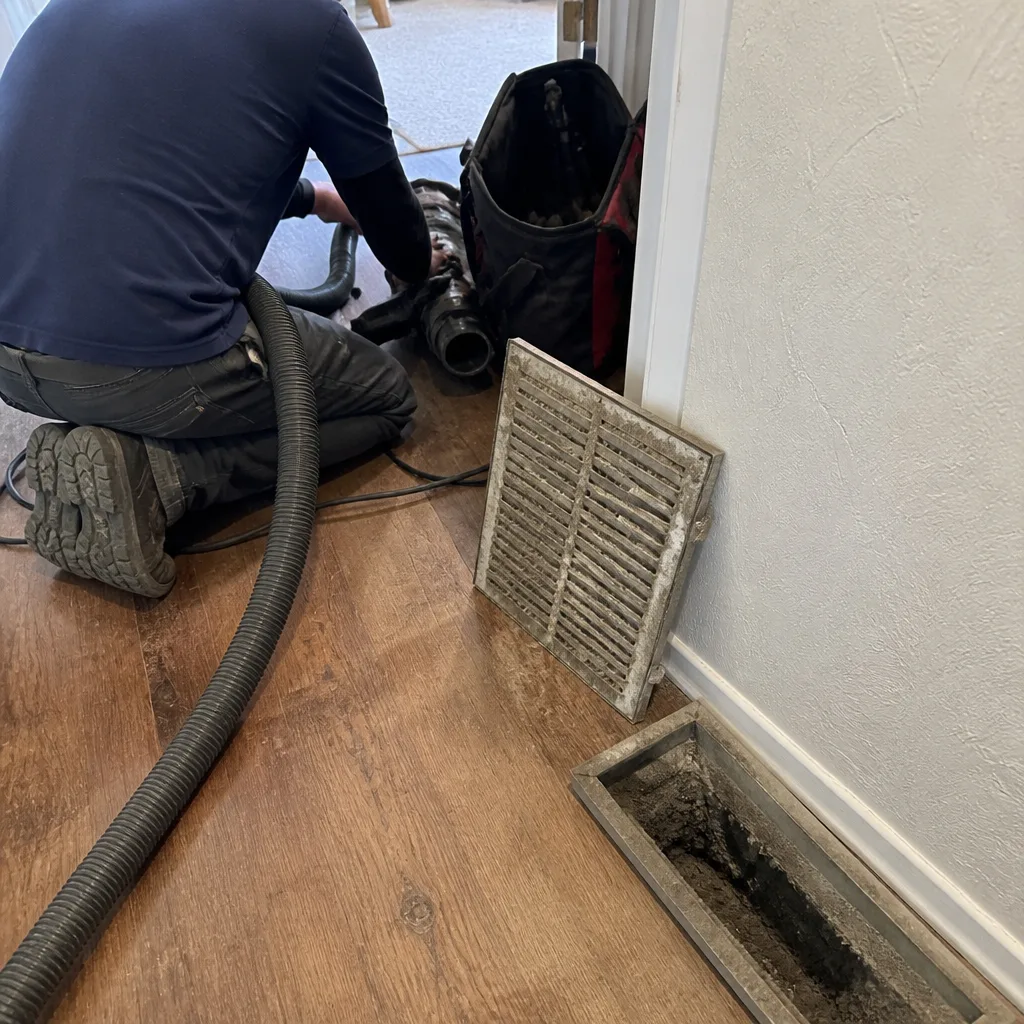
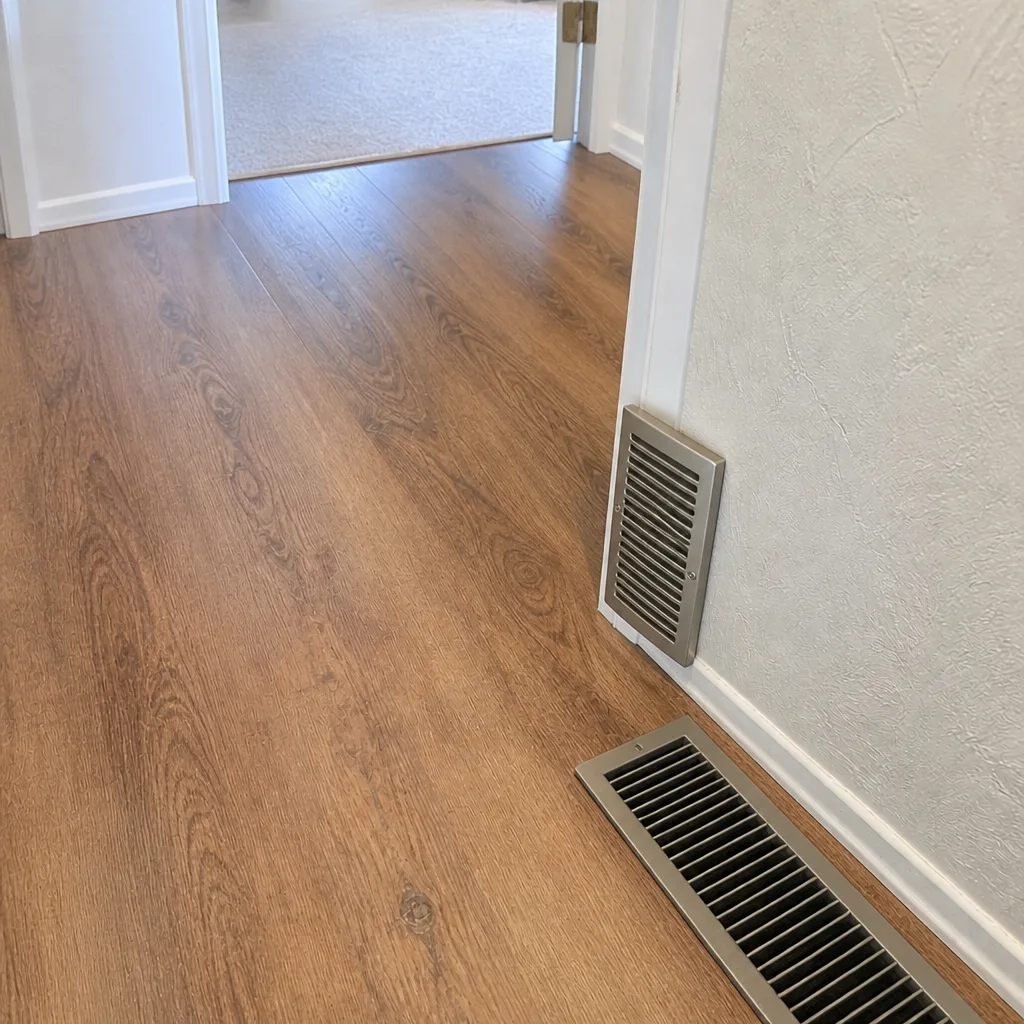
Whole-system duct and dryer vent check with before-and-after photos - you see exactly what came out of your vents
That "$99 whole-house special" is a bait ad - the real number appears once they are in your hallway, or the "clean" is a shop-vac at the register. We photograph the inside of your ducts before and after instead.
Air Duct Cleaning Permits, Codes & Inspections in Englewood, CO: What You Need to Know
Here’s the part most homeowners don’t hear until it’s too late: the duct cleaning itself almost never needs a permit, but the repair that so often follows it can. When a technician finds a disconnected run or a crushed trunk line during a cleaning and reconnects or seals it on the spot in Arapahoe County, that’s regulated mechanical work. If it happens without the right permit, the liability lands on the homeowner, not the contractor who did it. This guide walks through which duct tasks cross that line in Englewood, which code authority actually governs your address, what paperwork you should walk away with, and when to call for an inspection. It’s the reference we wish every Englewood homeowner had before booking a cleaning visit.
Quick Answer
Air duct cleaning by itself does not require a permit in Englewood, Colorado. Duct repair, sealing, reconnection, or replacement that alters the mechanical system generally falls under the Colorado Mechanical Code and may require a permit through the City of Englewood’s building department, depending on the scope and your address within Arapahoe County. A thorough cleaning visit should end with written documentation of any work performed, whether a permit was pulled, and photos of the condition before and after.
Styles & brands we work with
- Whole-home duct cleaning
- Dryer vent cleaning
- Camera inspection
- Sanitizing & deodorizing
Table of Contents
- Cleaning vs. Repair: Where the Permit Line Falls
- What the Colorado Mechanical Code Says About Duct Work
- Englewood vs. Arapahoe County: Which Code Authority Applies to You
- Duct Tasks That Typically Trigger a Permit
- What Proper Documentation Looks Like After a Duct Job
- When to Request a City Inspection and What Inspectors Look For
- How Unpermitted Duct Work Surfaces at Resale and on Insurance Claims
- Why Englewood’s Housing and Climate Make This Matter
Cleaning vs. Repair: Where the Permit Line Falls
The distinction is simple in principle and slippery in practice. Cleaning removes debris, dust, and biological buildup from inside ducts that are already properly connected and functioning. That’s maintenance, and maintenance doesn’t require a permit. Repair changes the physical mechanical system: reconnecting a separated joint, replacing a section of flex duct, sealing leaks with mastic, installing a new run, or modifying how a duct ties into the air handler.
The temptation to blur the line is real. A technician crawls into an attic, finds a duct that’s come loose from a boot, and reattaches it in five minutes. Nobody fills out paperwork. The homeowner never knows it happened, and they never learn that the connection they just had repaired is now unpermitted mechanical work on record nowhere.
In our experience, the honest approach is to separate the two clearly:
- Cleaning only – no permit, no mechanical alteration, documentation of condition only.
- Cleaning plus minor reattachment – usually still no permit if the fix restores the original connection without altering the system, but it should be documented and photographed.
- Cleaning plus new duct runs, replacement sections, or significant reconfiguration – this is where permits typically come in, and where a contractor should tell you a permit is required before touching anything.
If you’re booking a routine air duct cleaning, ask the company up front how they handle repairs found mid-job. A straight answer tells you a lot about how they run the rest of the visit.
What the Colorado Mechanical Code Says About Duct Work
Colorado adopts the International Mechanical Code as the basis for its statewide Colorado Mechanical Code, and local jurisdictions adopt it with their own amendments. Englewood operates under a version of that code with local amendments adopted by the city. Without pulling the current adopted edition and any Englewood-specific amendments directly from the city, treat any contractor’s claim about “what the code requires” with healthy skepticism, including ours. Ask the building department.
What you can count on in general terms:
- Duct systems are regulated as mechanical work. The code sets requirements for duct material, sealing, support, clearances, and connections to appliances.
- Alterations and additions trigger permit review. A new duct run, a relocated register, or a replacement of a meaningful section of ductwork is generally considered an alteration.
- Maintenance and cleaning are outside the permit process. Removing debris isn’t construction.
- Clearances around flues and appliances matter. Duct work near a furnace, water heater, or other combustion appliance has clearance rules that inspectors check.
One practical reality: the code doesn’t get more specific than “install per manufacturer’s listing and the adopted code” for a lot of residential work. That means your installer’s competence and the inspector’s judgment do most of the work. If you want certainty on a specific project, the City of Englewood’s building department is the authority, not a contractor’s assurance.
What the code doesn’t cover
Colorado’s mechanical code was written for construction, not for cleanliness. It doesn’t tell you how often to clean ducts, what equipment to use, or how to verify a cleaning job was thorough. Those come from industry standards and from the company you hire. We use professional equipment from Rotobrush and Nikro, and we run Abatement Technologies HEPA filtration on-site to keep contaminants contained during the job, but none of that is a code requirement. It’s a choice about how the work gets done.
Englewood vs. Arapahoe County: Which Code Authority Applies to You
This is where homeowners get tripped up. Englewood sits mostly within Arapahoe County, with a small portion extending into Denver County along the northern edge. The City of Englewood has its own building department and issues its own permits for work inside city limits. Arapahoe County handles permits for unincorporated areas outside city boundaries. Two addresses a few blocks apart can have entirely different permitting authorities.
How to figure out which applies to you:
- Check your address against the city boundary. The City of Englewood’s website has a mapping tool, or you can call the city directly. Most of Englewood proper is inside city limits.
- Look at your property tax statement. It lists the taxing jurisdiction, which usually matches the permitting authority.
- Ask the contractor to confirm before work starts. A legitimate company will know or will check. If they wave off the question, that’s a signal.
- For unincorporated Arapahoe County addresses, contact Arapahoe County’s building division rather than the city.
Why does this matter for duct work specifically? Because permit records, inspection history, and code amendments can vary between jurisdictions. A duct repair permitted through the county won’t necessarily satisfy a city inspector reviewing a resale disclosure, and vice versa. When in doubt, confirm with the authority that governs your specific parcel. Neighborhoods like Cherry Hills Village border Englewood but sit in a different jurisdiction, and especially in the older parts of town near Swedish Medical Center, we’ve seen addresses flip between authorities within a couple of blocks.
Duct Tasks That Typically Trigger a Permit
Not every duct job is created equal. Here’s a practical breakdown of what usually requires a permit, what usually doesn’t, and what sits in a gray zone that should be confirmed with the city.
Usually requires a permit
- Installing new duct runs or adding registers to serve previously unconditioned space.
- Replacing a substantial section of ductwork, such as a trunk line or a full branch.
- Relocating ducts to accommodate a remodel.
- Modifying the duct system as part of a furnace, air handler, or AC replacement.
- Adding a return air path where none existed.
Usually does not require a permit
- Cleaning ducts, boots, registers, and the air handler.
- Sanitizing the interior of a duct system after cleaning.
- Replacing a register grille or diffuser with a same-size unit.
- Minor re-sealing at existing joints using mastic or approved tape, when it restores the original connection.
The gray zone – confirm with the building department
- Reconnecting a disconnected duct joint in an attic or crawlspace.
- Sealing a significant leak that has been undermining system performance.
- Installing a new inline filter or UV system in the duct run.
- Extending a duct run by a few feet to serve a new register.
Our role in this is to identify the condition, document it clearly, and tell you plainly whether a permit is likely required. Our HVAC cleaning and duct repair work is done in coordination with whatever permitting the job calls for, and we won’t quietly re-connect or replace a duct and hope nobody asks.
What Proper Documentation Looks Like After a Duct Job
If you take nothing else away from this guide, take this: the paperwork matters as much as the work. Duct work lives in attics, crawlspaces, and wall cavities. Once the access panel goes back on, the only record of what happened is what the contractor wrote down and photographed.
Here’s what you should expect to walk away with after any cleaning visit that includes repair:
- A written scope of work describing what was found, what was repaired, and what materials were used.
- Before-and-after photos of the duct sections in question, taken by the technician.
- A statement of whether a permit was required or pulled. If it was pulled, the permit number and the inspecting authority.
- The name of the technician who performed the work and the date. No person’s name is being endorsed here, it’s simply standard record-keeping on the invoice.
- A copy of any inspection sign-off if an inspection took place.
- Material information for any replacement duct, mastic, or tape used, in case of future need.
We provide before-and-after photos of your own ducts as a standard part of the job, not as an add-on. That record matters at resale and it matters when you need to demonstrate the state of the system to an insurance adjuster. For a home in Englewood built in the mid-century building boom that still has its original duct layout, that documentation can save real headaches later.
When to Request a City Inspection and What Inspectors Look For
You should request a city inspection on duct repairs when a permit was pulled and the work touches the mechanical system in a way that could affect safety or performance. In practice, if a permit was required, the inspection usually happens as part of the permit process, and it’s the contractor’s job to schedule it. What you should ensure is that the inspection actually occurs before the invoice closes out.
Here’s when to be proactive about requesting a city inspection:
- A permit was pulled for the repair and the sign-off hasn’t come through.
- The work touched a duct run near a furnace, water heater, or other combustion appliance.
- The contractor is vague about whether an inspection is required.
- The work involved new duct runs or meaningful reconfiguration.
- You’re heading into a resale, refinance, or insurance claim and need proof of compliant work.
What inspectors look at on duct work:
- Connections. Are joints sealed with approved tape or mastic, and are they mechanically secure?
- Support. Is the duct supported at required intervals and without sagging?
- Clearances. Proper distance from combustion appliances and any heat sources.
- Material conformity. Is the duct material listed for the application and installed per manufacturer instructions?
- Configuration. Does the layout match the permitted plans?
- Access. Can future technicians reach the system for cleaning and service?
In our experience, most inspection failures on duct work come down to sloppy sealing and questionable clearances around appliances. Both are visible in photos if you don’t want to walk the attic yourself. We use the same professional equipment as certified specialists, and our duct repair work is designed to pass inspection on the first visit.
How Unpermitted Duct Work Surfaces at Resale and on Insurance Claims
Unpermitted duct work is quiet for years and then very loud at exactly the wrong moment. Two events shake it loose: a home sale and an insurance claim after an HVAC failure or water damage event.
At resale, a buyer’s inspector will flag visible duct work that looks newer than the rest of the system, disconnected joints, or sealed connections with no permit record. The buyer’s agent will then ask for the permit. If there’s no permit and no documentation, the negotiation gets expensive fast, or the deal stalls while the seller retroactively permits the work, sometimes through a process that requires opening walls.
On an insurance claim, the insurer’s adjuster is looking for causation. If a duct-related failure contributed to damage (a disconnected duct dumping conditioned air into an attic through a Colorado winter, for example, with ice damming or moisture consequences), the adjuster will want to know whether the work that caused the problem was permitted, inspected, and documented. Unpermitted and undocumented work weakens your claim.
The remedy is straightforward: require documentation on every visit, keep it in your home records, and don’t let a contractor quietly repair or replace ductwork without a paper trail. A proper cleaning visit, done right, includes that record. For property managers overseeing multiple units in Englewood, this is the difference between a clean portfolio and a mess that surfaces one unit at a time.
Why Englewood’s Housing and Climate Make This Matter
Englewood’s housing stock skews older. Much of the city was built out in the post-war decades, and plenty of homes still have duct layouts, materials, and connections that were installed decades ago. Original flex duct that’s been baking in an attic through hundreds of Colorado summer and winter cycles is exactly the kind of duct that fails at a joint, gets found during a cleaning, and tempts a hurried contractor into a five-minute fix with no paperwork.
Then there’s the climate. Englewood sits at just over 5,300 feet, with dry air and wide seasonal temperature swings. That combination is hard on ductwork. Attic duct runs experience extreme heat in summer and deep cold in winter. Metal expands and contracts. Tape dries out. Mastic cracks. Flex duct that was installed with minimal slack can pull apart at the boot. Homes near Belleview Park and along the older streets of the Baker and Overland Park neighborhoods tend to have attic duct systems that are prime candidates for joint failures.
None of that makes duct cleaning a permit job. It does mean that a cleaning visit on an older Englewood home is more likely than average to turn up repair conditions, which is exactly why the permit question matters here more than it would in a newer suburb. When our technicians find a joint that’s let go, we tell you what we found, what the fix is, and whether that fix needs to go through the City of Englewood. The dryer vent cleaning we also offer is a separate and worthwhile check for older homes, since the same failure patterns apply there.
What about duct sanitizing?
Sanitizing the interior of the duct system after cleaning is not a permitted mechanical activity. It’s a cleaning and treatment step, and we treat it as a separate documented service rather than a tacked-on line item. For homes in Englewood dealing with mold spores, allergens, or post-renovation dust, sanitizing is a legitimate addition to the job. It just isn’t code-regulated work.
Common Mistakes to Avoid
- Letting a technician perform a “quick fix” on a separated duct without documentation. Even a five-minute reconnection should appear on your invoice with before-and-after photos. If it isn’t written down, it didn’t happen as far as a future inspector or insurer is concerned.
- Assuming the contractor knows which jurisdiction you’re in. Englewood straddles Arapahoe County and Denver County along the northern edge. Verify which permitting authority applies to your address before work starts, not after.
- Accepting a verbal assurance that “no permit is needed.” Ask for it in writing on the estimate, with a specific reference to the task. A contractor who knows the code can name it.
- Skipping the documentation file. Keep every invoice, photo, and permit record from every duct visit in a home records folder. It pays off at resale and on insurance claims. This is not a paperwork-heavy step, and it’s easy to keep up with.
- Hiring a duct-only cleaner who can’t handle repair. If a company only cleans and has to call in a second company for repairs, the handoff between them is where documentation goes missing. Look for a company that handles cleaning, repair, and sealing under one scope, so a single record covers the whole job.
- Booking a cleaning without asking how repairs get handled. The conversation up front tells you whether the company is set up to do this properly or whether it plans to blur the cleaning/repair line.
- Ignoring the attic duct run because it’s out of sight. Older Englewood homes have duct systems in attics and crawlspaces that a homeowner never sees. Ask specifically whether the visit includes an inspection of those runs, not just the visible registers.
See the difference
 Before
 After
 Before
 After
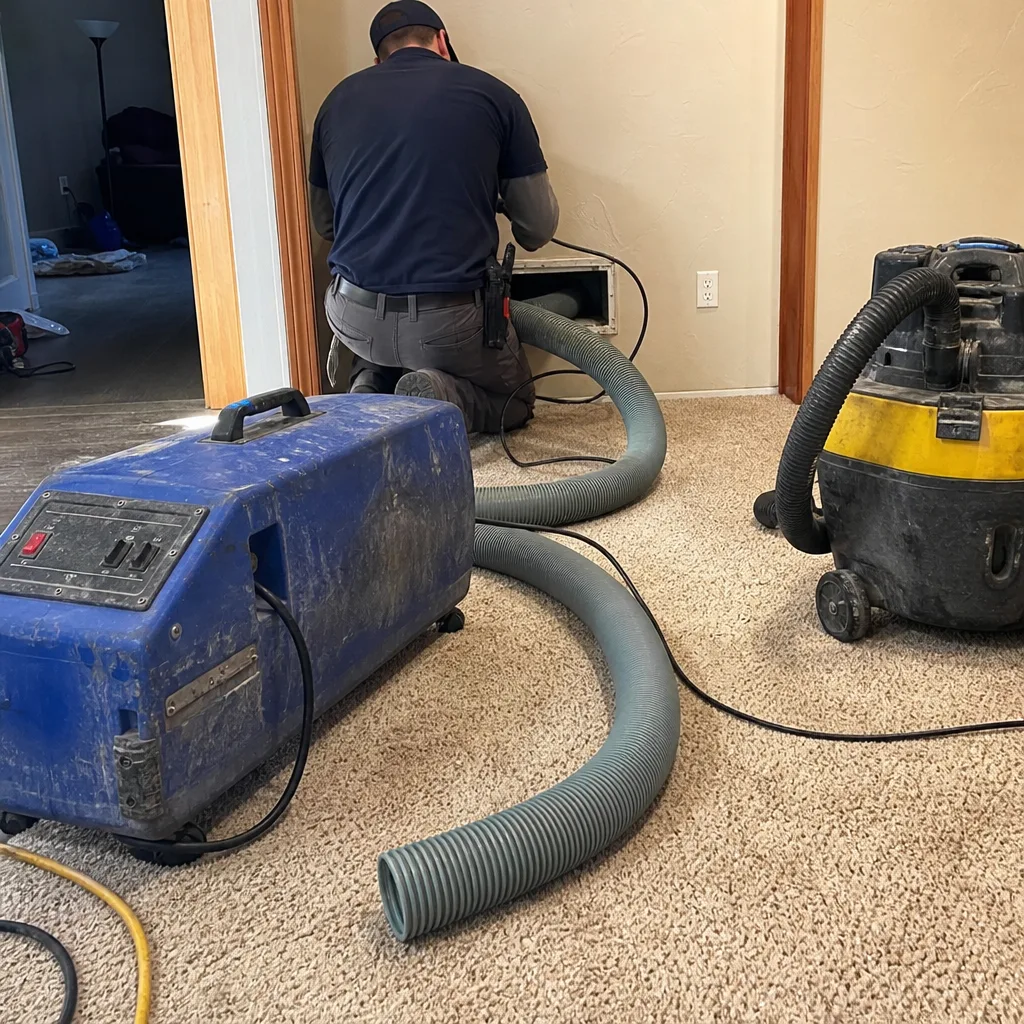 Before
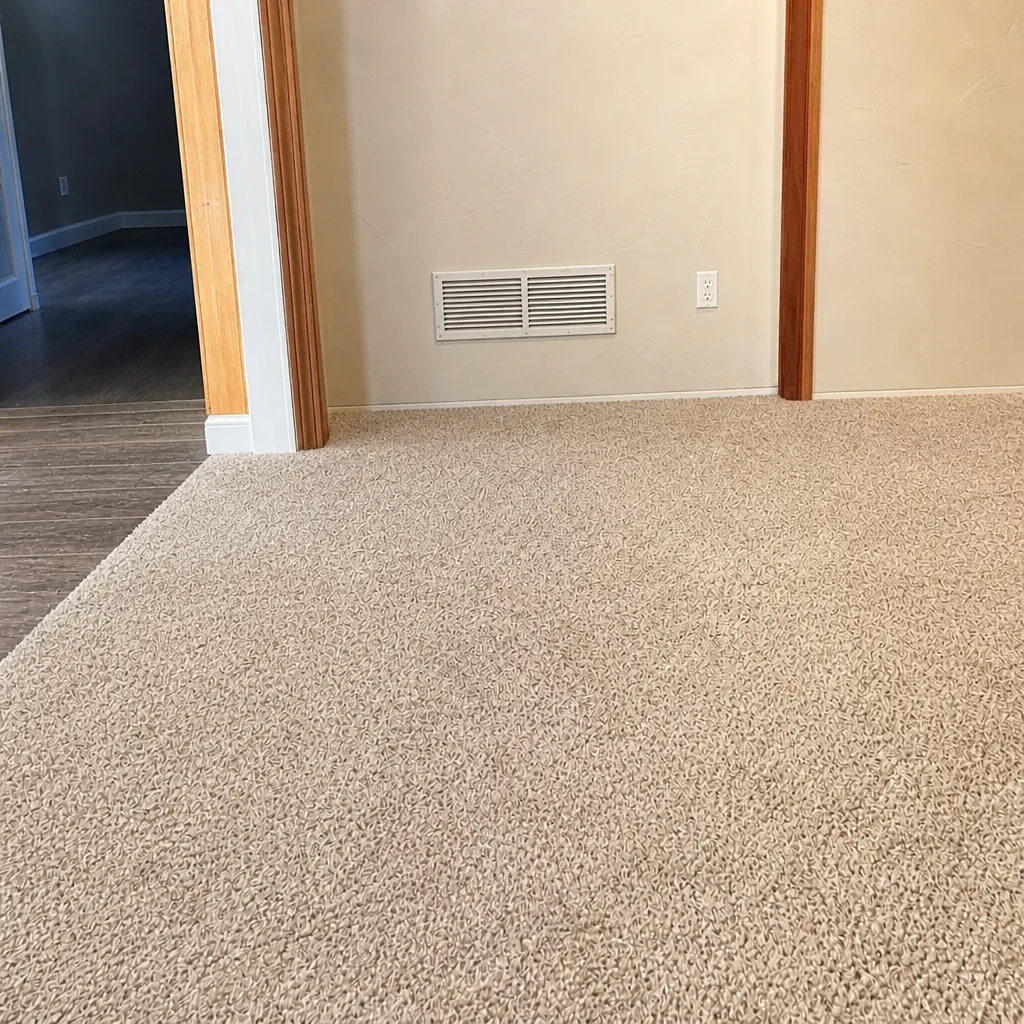 After
When to Call a Professional
Call a professional when the duct system shows signs you can’t evaluate from the floor: visible dust discharging from registers after cleaning, areas of the house that never seem to heat or cool evenly, musty smells in specific rooms, or a recent renovation that left construction dust in the system. Also call if you’re buying or selling an Englewood home with duct work of unknown history, since a documented condition report protects both sides of the transaction. And call if a contractor has already performed unpermitted duct work and you need to know what can be done about it, including retroactive permitting and documentation.
Englewood Air Duct Cleaning Pros offers free estimates in Englewood. Call (877) 492-4041. We answer 24/7, with fast dispatch from 7am to 7pm, Sunday through Friday. We’ll walk your system, tell you what we find, and lay out what needs repair, what needs a permit, and what the written estimate covers before any work begins.
Frequently Asked Questions
No. Air duct cleaning by itself does not require a permit in Englewood. Cleaning is maintenance, not construction, and cleaning contractors do not pull permits for the cleaning itself. Permits come into play when the work extends to repair, sealing, reconnection, or replacement of ductwork that changes the mechanical system, and those requirements fall under the Colorado Mechanical Code as adopted by the City of Englewood. For an exact answer on a specific job, call the City of Englewood’s building department directly.
A disconnected duct should be documented with before-and-after photos and described on the invoice, with a clear statement of whether a permit was required for the reconnection. Whether a permit is actually required depends on the nature of the reconnection. A minor reattachment that restores the original joint is often treated as maintenance, while a reconnection involving new material or reconfiguration of the run may be considered mechanical work and may require a permit through the City of Englewood. Ask the technician to state their conclusion in writing. Call (877) 492-4041 if you’d like a second opinion on what you were told.
Most addresses inside the City of Englewood are permitted through the City of Englewood’s building department. Addresses in unincorporated Arapahoe County outside city limits are permitted through Arapahoe County. A small portion of northern Englewood extends into Denver County, which has its own permitting authority. Verify your address’s jurisdiction using the city’s mapping tool, your property tax statement, or by calling the city directly before scheduling work that may require a permit.
Homeowners can clean their own ducts without a permit, and there’s no code prohibition on it. The practical limits are equipment and inspection access. Professional cleaning uses negative-pressure containment and HEPA filtration to keep dislodged contaminants from recirculating into the living space, equipment that household vacuums can’t match. If you’re cleaning to address a specific air quality concern and want documented proof of the job, a professional visit is the safer route. Call (877) 492-4041 for a free estimate and we can tell you whether your system actually needs the visit.
It can. A buyer’s inspector will flag duct work that appears newer than the rest of the system and will ask for the permit record. If the work was performed without a permit and without documentation, the seller may be asked to retroactively permit and inspect the work, which can involve opening walls or paying for corrective work. Keeping a clean documentation file for every duct repair avoids the surprise. If you’re unsure what’s on record for your home, call (877) 492-4041 and we’ll explain what a documentation review involves.
A proper inspection checks connections, support, clearances to combustion appliances, material conformity, layout versus permitted plans, and access for future service. The inspector will physically examine the duct runs in the attic, crawlspace, or wherever the work occurred. You should receive a sign-off document from the jurisdiction when the inspection passes. Keep that document with the rest of your home records.
No. Sanitizing the interior of the duct system is a cleaning and treatment step, not mechanical work, and does not require a permit. It’s a separate documented service from cleaning, and it targets biological contaminants like mold spores, bacteria, and allergens that vacuuming alone cannot remove. If you have a specific air quality concern that you think warrants sanitizing, mention it when you book so we can scope it accurately.
The Bottom Line
Cleaning your ducts in Englewood is a maintenance task and requires no permit. Repairing, sealing, reconnecting, or replacing ductwork is different, and once the work changes the mechanical system, the Colorado Mechanical Code and the City of Englewood’s permitting process come into play. Which authority applies to your address depends on whether you’re inside city limits, in unincorporated Arapahoe County, or in the small Denver County portion of the city. Get documentation for every duct visit, keep it with your home records, and don’t let a contractor quietly repair ductwork without a paper trail. That record protects you at resale, on insurance claims, and on future inspections. If you’d like an honest walkthrough of your system and a clear read on what needs a permit, we’re here.
Call (877) 492-4041 for a free estimate. We answer 24/7. Fast dispatch from 7am to 7pm, Sunday through Friday.
Written by the team at Englewood Air Duct Cleaning Pros.