
Last updated November 25, 2026
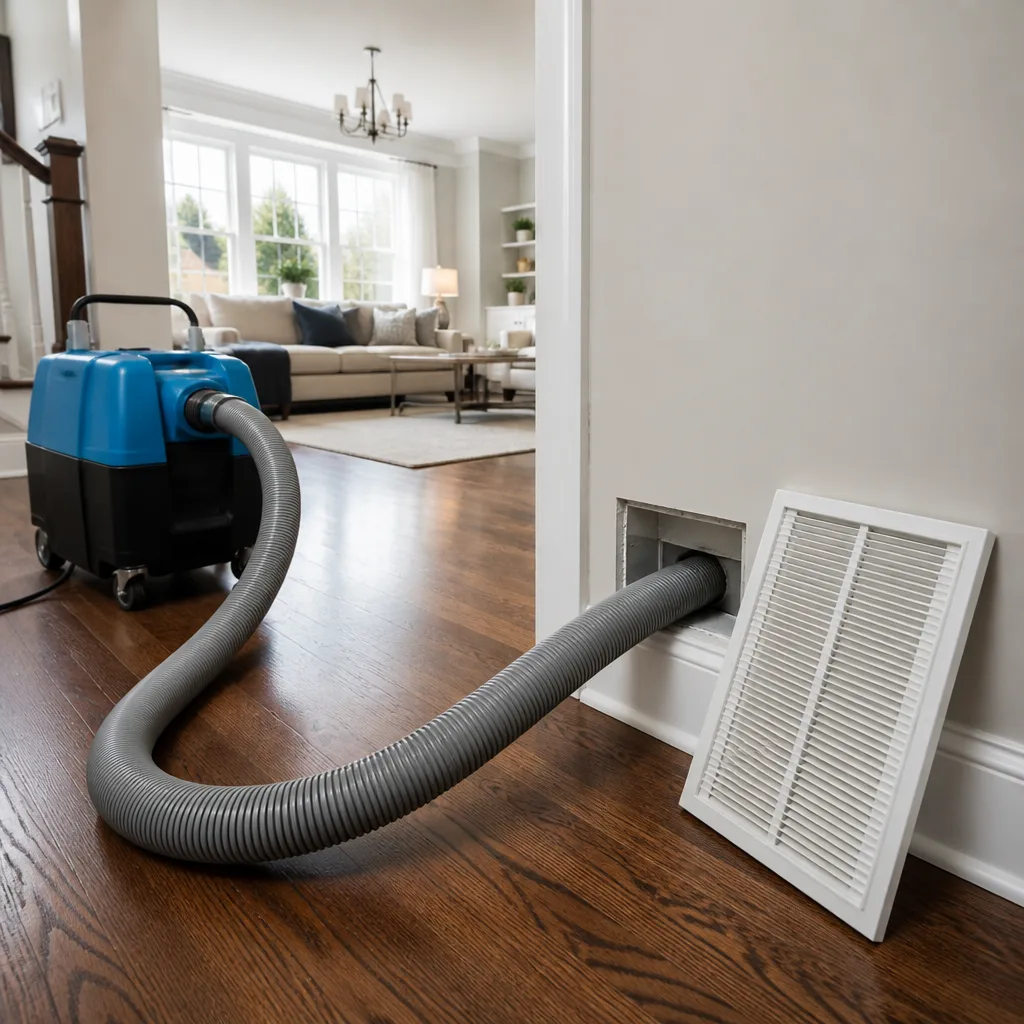 Whole-home duct cleaning
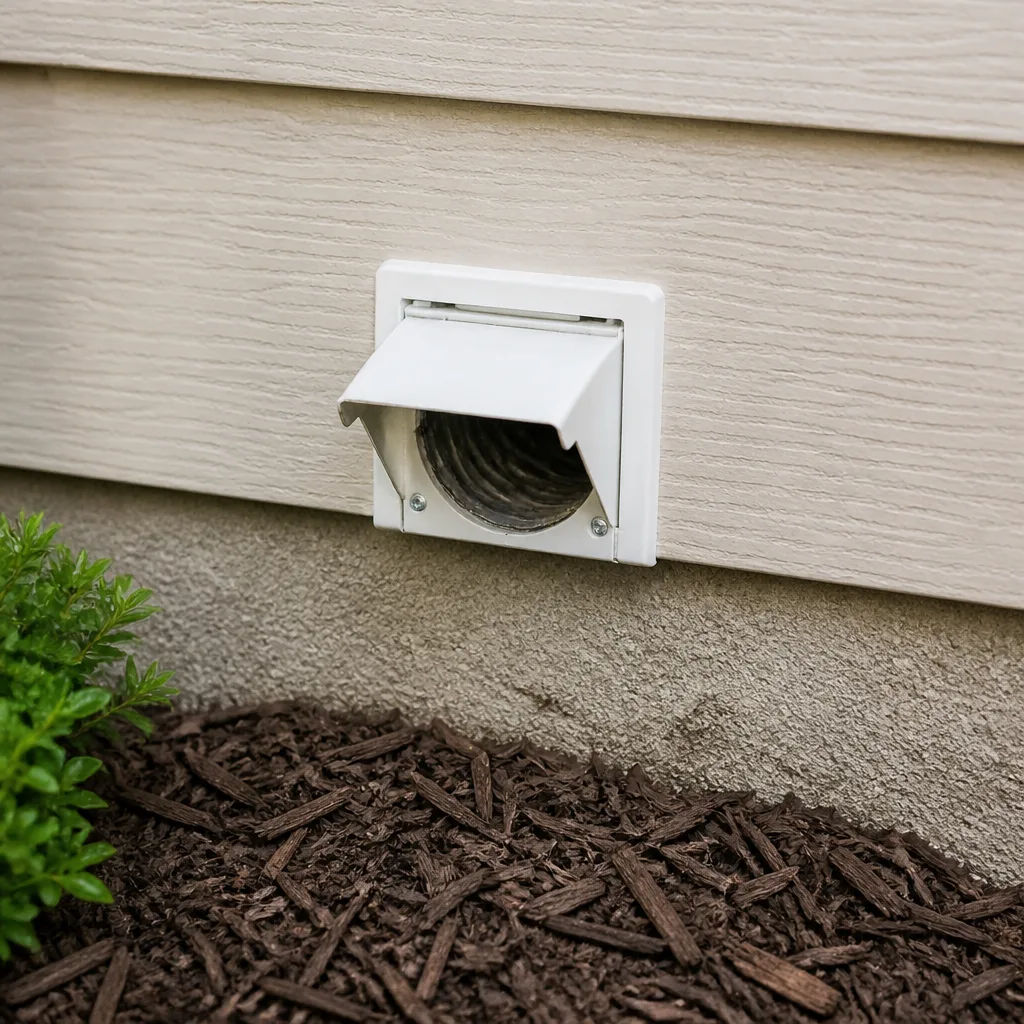 Dryer vent cleaning
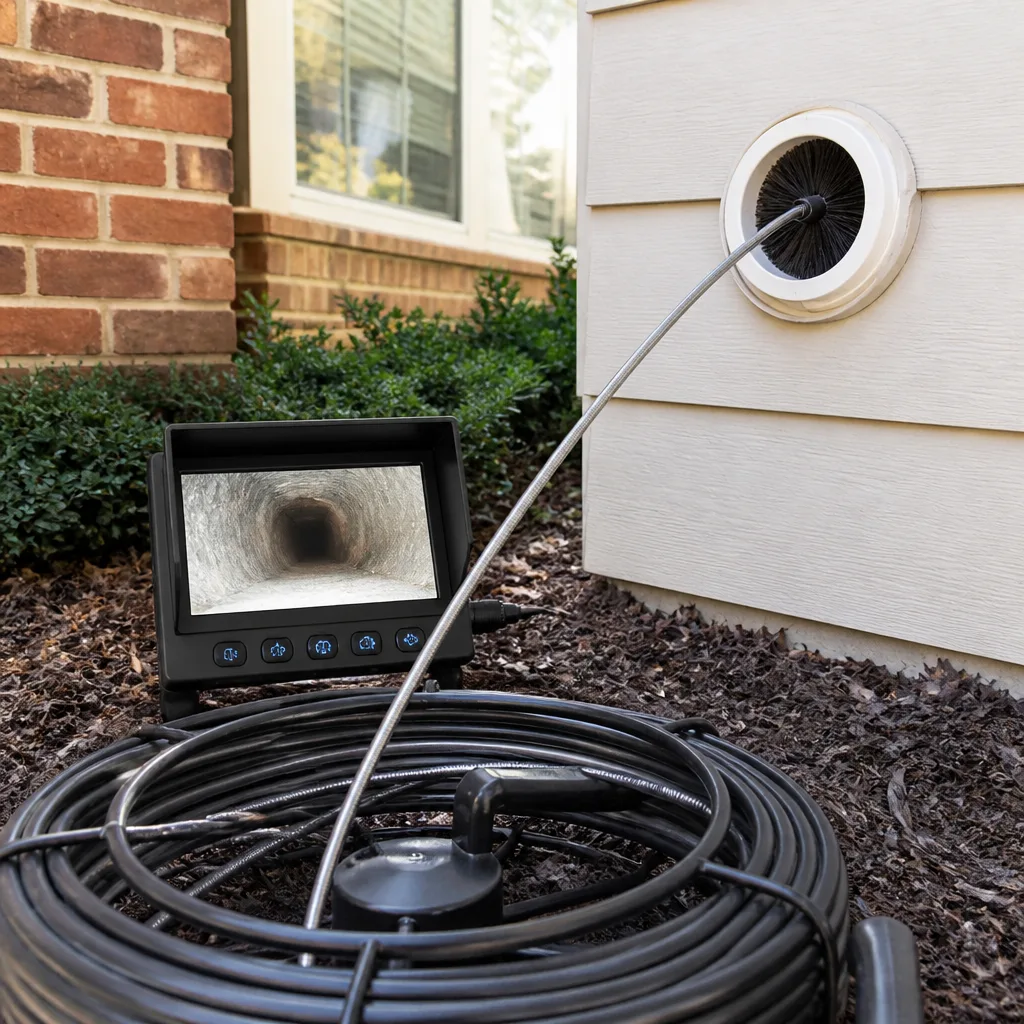 Camera inspection
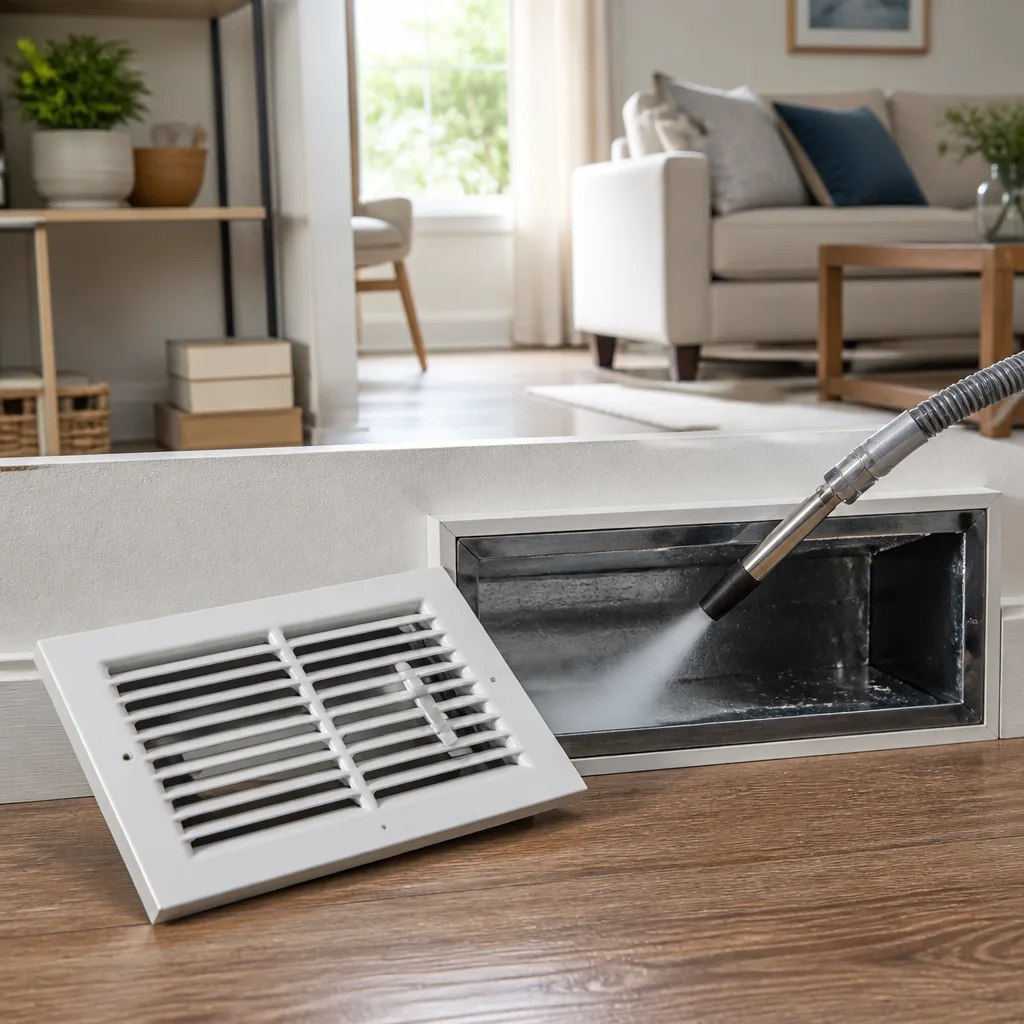 Sanitizing & deodorizing
Whole-system duct and dryer vent check with before-and-after photos - you see exactly what came out of your vents
That "$99 whole-house special" is a bait ad - the real number appears once they are in your hallway, or the "clean" is a shop-vac at the register. We photograph the inside of your ducts before and after instead.
The Complete Guide to Air Duct Cleaning in Englewood
Most homeowners judge their ducts by what they can see at the register. That’s the wrong place to look. A duct run can appear spotless at the grille while the joints behind the drywall are leaking conditioned air into a crawlspace or attic, and no amount of vacuuming at the vent fixes a gap in the trunk line. In our experience across Englewood, the cleaning is only half the job. This guide walks through the whole duct system component by component: what actually accumulates here, what real source-removal cleaning involves, which parts beyond the duct runs need attention, and how to verify the work was done. By the end you’ll know what to ask and what to expect.
Quick Answer
Air duct cleaning in Englewood is the mechanical removal of accumulated dust, debris, and biological contaminants from the entire duct system, not just the visible registers. A legitimate job uses negative-pressure HEPA filtration and rotary agitation equipment to pull contaminants out at the source, documents the before-and-after condition, and addresses the components that feed the ducts: the blower, the evaporator coil, the drain pan, and the return plenum. Cleaning alone won’t fix leaky joints or disconnected runs, which is why a full-scope service includes inspection and, where needed, sealing and repair.
Styles & brands we work with
- Whole-home duct cleaning
- Dryer vent cleaning
- Camera inspection
- Sanitizing & deodorizing
Table of Contents
- Why Air Ducts Get Dirty Faster in Englewood
- What a Real Cleaning Actually Means
- The Components Beyond the Duct Runs
- How to Verify the Cleaning Was Completed
- When Cleaning Alone Isn’t Enough
- Sanitizing and Air Quality Treatment
- The Dryer Vent Connection
- How Often Ducts Really Need Cleaning in Englewood
Why Air Ducts Get Dirty Faster in Englewood
Englewood sits in a semi-arid climate, and that changes what collects in a duct system. In humid regions, dust tends to clump and settle near the returns. Here, the air carries a steady load of fine particulate – wind-blown soil, pollen, and construction dust from the constant remodeling and new builds around the south metro – and that material stays dry and airborne longer. Dry particulate travels deeper into the system before it drops out. It coats the inside of flex runs, settles in the low points of rigid trunk lines, and builds a fine film across the evaporator coil.
The seasonal swing makes it worse. Englewood summers push the air conditioner hard, so the system moves a high volume of dust-laden air for months. Then the heating season arrives and the furnace blower pushes that same accumulated film back through the house. If the ducts haven’t been cleaned, the first cold snap circulates whatever built up over the summer.
Another local factor: the housing stock varies widely. Older homes in the older core neighborhoods often have original sheet metal ductwork with taped or mastic joints that have dried and cracked over the decades. Newer construction in the surrounding subdivisions leans on flex duct, which is efficient but can sag, kink, or separate at the collar. Both situations trap debris and both can leak. A duct cleaning in Englewood that doesn’t account for the type of ductwork in the home is only guessing at the problem.
We’ve seen this pattern repeatedly: a homeowner calls about dust or allergy symptoms, assumes the ducts are simply “dirty,” and what’s actually happening is a combination of accumulated fine particulate plus a handful of leaking joints pulling attic or crawlspace air into the system. That’s why we treat the duct system as an interconnected ecosystem rather than a set of pipes to vacuum.
What a Real Cleaning Actually Means
There’s a wide gap between source-removal cleaning and what the trade calls blow-and-go work. The distinction matters more than any marketing claim, because the two produce completely different results in the same duct system.
Source-removal cleaning follows the principle that contaminants must be dislodged from every interior surface and captured, not just stirred up. The standard most credible specialists work to comes from NADCA, the National Air Duct Cleaners Association, which emphasizes physical removal under controlled conditions. In practice that means two things working together: mechanical agitation to break debris loose from the duct walls, and continuous negative pressure to pull it out of the system before it can re-enter the living space.
Blow-and-go work skips one or both. A crew arrives with a shop vacuum and an air compressor, blasts air through the runs, vacuums the closest accessible section, and leaves. The debris that was on the duct walls becomes airborne and settles back down or gets pushed into the rooms. It looks like work was done because the register grilles are clean. Inside the ducts, nothing meaningful changed.
What separates the two in a real Englewood job:
- Rotary agitation equipment. Professional systems like Rotobrush use a spinning brush and whip that travel the length of the run and scrub the interior surface. Handheld vacuums and air whips can’t reach the full run.
- HEPA filtration under negative pressure. We deploy Abatement Technologies HEPA filtration on-site, which contains dislodged contaminants rather than recirculating them into the home during cleaning. The machine creates a sealed vacuum at the system, so everything loosened gets captured.
- Source-by-source work. Each branch run, trunk line, return, and plenum gets addressed individually. A single pass over the main trunk isn’t a cleaning.
- Powered equipment matched to the duct type. Rigid metal, flex, and ductboard each need different agitation. Nikro equipment gives technicians the flexibility to match the tool to the material without damaging it.
This is the core of air duct cleaning done properly: controlled removal at the source, not a surface pass. If a quote describes one machine and a couple of hours regardless of house size, that’s a signal about which category of service you’re being offered.
The Components Beyond the Duct Runs
Here’s where most cleaning proposals fall short. The duct runs get the attention, but the air handler and its components are what actually move the air, and they collect just as much debris. Cleaning the runs while leaving a fouled evaporator coil and blower wheel in place is like washing a car and skipping the engine bay. The system still moves contaminated air.
A full-scope job in an Englewood home should address:
- The evaporator coil. This is the finned assembly inside the air handler where refrigerant absorbs heat. Condensation forms on the fins during cooling season, and dust that reaches it sticks to the wet surface. Over time a matted film builds up, restricting airflow and reducing cooling capacity. Cleaning it requires care because the fins bend easily, so it belongs to a technician with the right tools.
- The blower wheel. The squirrel-cage blower pulls air through the return and pushes it into the supply. Its curved blades accumulate a heavy dust layer that throws the wheel out of balance and cuts airflow. A dirty blower is one of the most common causes of weak airflow that homeowners attribute to the ducts.
- The drain pan. Below the evaporator coil, the pan collects condensate. When it stays wet and collects dust, it becomes a growth environment for mold and bacteria – which then get carried through the supply ducts. Cleaning and confirming the drain is clear prevents that.
- The return air plenum. The transition between the return grille and the air handler often has the worst buildup because it’s the first drop point for large particulate coming back from the rooms. It’s also frequently unsealed at the seams.
- The supply plenum and the coil cabinet. The box that feeds conditioned air into the trunk lines and the cabinet around the coil both collect fine dust and need attention.
In our experience, when a homeowner says a prior cleaning “didn’t change anything,” the components above are usually the reason. The runs were touched and the air handler was skipped. This broader scope is why we treat HVAC cleaning as its own service rather than an add-on. You can see how that fits together on our HVAC cleaning page, which covers the air handler work in more detail.
How to Verify the Cleaning Was Completed
Duct cleaning has a trust problem, and it’s earned. This is a service that happens largely out of sight, in spaces a homeowner can’t easily inspect. The honest answer to “how do I know it was actually done” is documentation. A legitimate provider shows you the condition of the system before and after, and takes the time to walk you through what was found. If a company can’t or won’t provide that, the service has no verifiable basis.
Here’s what to expect, and what to ask for:
- Before-and-after photos of your own ducts. Not stock images, not photos of a different job. Registers, trunk lines, plenums, and the air handler should be documented on your system.
- Pictures of what came out. Seeing the debris collected by the HEPA system is its own confirmation that material was actually removed.
- A walk-through of what was found. A technician working to NADCA expectations will note compromised joints, disconnected runs, or a fouled coil and explain them in plain terms.
- A written scope before work starts. You should know exactly what’s being cleaned, whether the air handler is included, and what the price is before the equipment comes out of the van.
- A clear answer on the air handler. “Do you clean the blower and coil, or just the duct runs?” separates full-scope providers from the rest.
One more check worth making: ask whether the service uses HEPA filtration during the job. The filter captures the fine particulate that gets dislodged, and without it that material ends up in the air you breathe while the work happens. We run Abatement Technologies HEPA equipment on every job for exactly this reason.
When Cleaning Alone Isn’t Enough
A surprising number of duct problems aren’t dirt problems at all. They’re leaks, separations, and failed connections – and cleaning them without fixing them means the system keeps losing you money after the invoice is paid. A duct that looks clean at the register can be leaking conditioned air into a crawlspace or attic, and no amount of vacuuming fixes that gap. The right move is to inspect seals, joints, and connections as part of the same visit and repair what’s compromised.
What we look for during inspection, and what it typically signals:
- Separated collars at the air handler. Flex duct often pulls away from the takeoff collar over time. Every minute the air handler runs, it’s pulling attic or crawlspace air into the supply stream.
- Cracked mastic and dried tape on older metal ductwork. Joints sealed decades ago dry and fail. The leak may be small, but across a whole trunk line the loss adds up.
- Crushed or kinked flex runs. A sagging flex run doesn’t just leak; it restricts airflow and causes uneven cooling, which is why some rooms never quite reach the thermostat setting.
- Unsealed returns. Return-side leaks are often worse than supply-side because they pull dust and outdoor air into the system before it even reaches the filter.
The logic of doing this work on the same visit is simple. Cleaning a leaky system means cleaning it again sooner, and sealing a dirty system leaves the contaminants trapped behind the seal. Doing both together in one visit – cleaning, then sealing, then confirming – is what closes the loop on system integrity. It’s also why we offer duct repair and sealing as a core service rather than subcontracting it out. Cleaning without sealing leaves the root cause untouched, and sealing without cleaning traps what was already there.
Sanitizing and Air Quality Treatment
Vacuuming removes physical debris. It doesn’t necessarily address biological contaminants – mold spores, bacteria, and settled allergens that take hold in the damp sections of a duct system. That’s why sanitizing is a separate, documented service rather than an upsell. It’s what you add after cleaning to address what mechanical removal alone can’t get.
Biological growth needs moisture, and in an Englewood system that usually means the evaporator coil, the drain pan, or a duct section that has been damp. Semi-arid climates see less of the ambient humidity problem that plagues coastal systems, but a badly draining pan or an oversized air conditioner that short-cycles can still create wet conditions inside the air handler. When that happens, cleaning removes the debris that fed the growth, and sanitizing addresses what remains on the surfaces.
When sanitizing makes sense:
- The home has had water intrusion or a known AC leak.
- Occupants deal with persistent allergy-like symptoms that don’t explain themselves elsewhere.
- The property is being prepared for new occupants, whether a rental turnover or a recent sale.
- Pets live in the home and the duct system shows heavy dander accumulation.
- Visible growth is confirmed during inspection of the coil or drain area.
We treat air quality and sanitizing as one of our five core services because the customers who call about their ducts usually call because of what they’re breathing. Households with allergy sufferers, parents of young children, and pet owners notice duct problems first because they’re attuned to the symptoms. Sanitizing is the piece that addresses biological contaminants after the debris is gone.
The Dryer Vent Connection
Duct cleaning companies that only clean HVAC ducts miss one of the highest-risk components in the house: the dryer vent. It’s a separate system, and it’s a leading cause of residential fires when lint builds up and restricts airflow. Lint is highly flammable, and a vent run packed with it is a fire waiting on a heat source.
Dryer vent cleaning is a standalone service for a reason. It doesn’t require touch on the HVAC ducts, and homes with clean ducts can have a fully blocked dryer vent. The signs are worth learning:
- Clothes take longer than one cycle to dry.
- The dryer or the wall behind it feels unusually hot.
- Lint accumulates around the lint trap or behind the dryer.
- There’s a musty or burning smell when the dryer runs.
- The exterior vent flap doesn’t open fully or has visible lint outside.
The same care that goes into HVAC duct cleaning applies here. A dryer vent has bends and transitions that a shop vacuum can’t navigate, and a technician using the right rotary tool reaches the full run and confirms clear airflow before finishing. You can read more about how we handle it on our dryer vent cleaning page. If the dryer vent has never been cleaned and the home has been occupied for years, it’s worth an inspection regardless of the duct system’s condition.
How Often Ducts Really Need Cleaning in Englewood
There’s no universal schedule, and any provider who tells you “every year” without inspecting the system is selling a maintenance plan, not a service. What actually determines the interval is the condition of the system, the household, and the climate. In Englewood, the semi-arid conditions and heavy seasonal use push some homes toward more frequent cleaning than a coastal household would need.
Reasonable triggers to schedule a cleaning or inspection:
- It’s been several years and the home has never had a cleaning. Newly purchased homes and homes that have had significant renovation are the clearest cases. Remodeling dust is brutal on a duct system, and closing on a home with unknown duct history warrants an inspection.
- Pet dander is heavy. Multiple pets in an Englewood home push dander into the return system quickly. Households with two or more animals often need cleaning on a shorter cycle than the standard.
- Household members have allergies or respiratory sensitivity. If the symptoms track with HVAC use, the ducts are worth a look.
- Visible dust at the registers or debris blowing when the system starts. That’s a sign of standing accumulation, not normal film.
- Recent water intrusion or a persistent musty smell. Damp conditions inside the air handler justify both cleaning and inspection for growth.
- After renovation or before move-in. Construction dust and pre-occupancy cleaning are the two most common scheduling triggers.
For a typical Englewood household without heavy pet load or allergy symptoms, an inspection every few years is a sensible baseline. The point of the inspection is to determine whether cleaning is needed rather than assume a schedule. We’d rather tell a homeowner their ducts are in good shape than sell a service the system doesn’t need.
Common Mistakes to Avoid
- Judging the ducts by the registers. A clean register grille says nothing about the interior of the run or the air handler. The visible surface gets wiped down; the coil and blower are what actually need attention.
- Accepting a quote without asking about equipment. “Duct cleaning” covers a wide range of tools, from a shop vacuum to professional rotary equipment with HEPA filtration. Ask which machines will be on-site before you compare prices.
- Choosing the price without asking what’s included. Two quotes for “duct cleaning” can mean entirely different scopes. One may cover the runs only; another may include the blower, coil, and plenums. A per-vent price is a separate negotiation altogether and often hides what isn’t being touched.
- Skipping the air handler. Cleaning the runs while leaving a fouled blower and evaporator coil in place doesn’t fix the air quality problem. This is the most common reason homeowners say a prior cleaning “didn’t do anything.”
- Cleaning a leaky system and stopping there. A cleaning on ductwork that leaks into the crawlspace will need repeating sooner. Have the joints inspected and sealed in the same visit, or you’re back to the same problem.
- Ignoring the dryer vent. The dryer vent is a separate system and a serious fire risk when clogged. A duct-only cleaning company won’t touch it, so it can go years without attention even when the ducts are serviced.
- Not asking for before-and-after documentation. If the service can’t show you the condition of your own ducts before and after, there’s no way to verify the work. Documentation is the baseline expectation for a legitimate cleaning.
See the difference
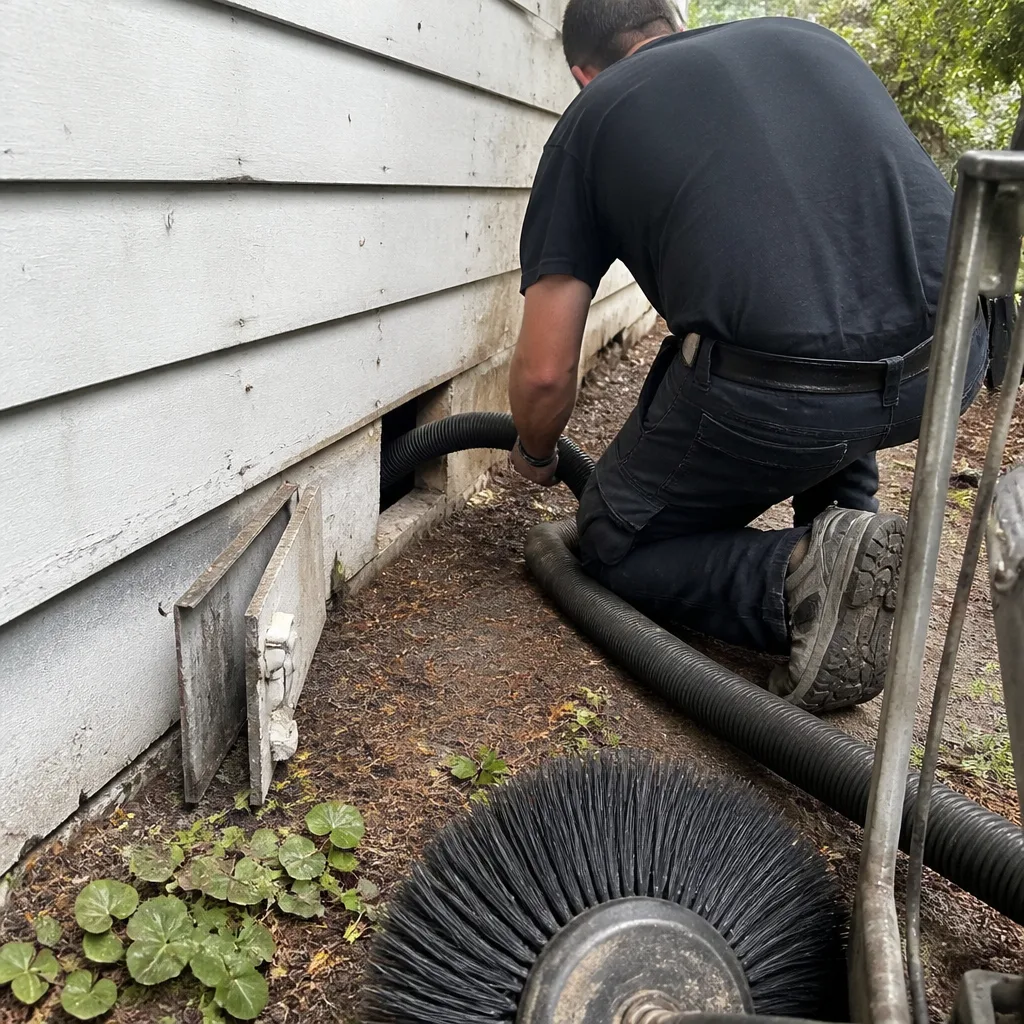 Before
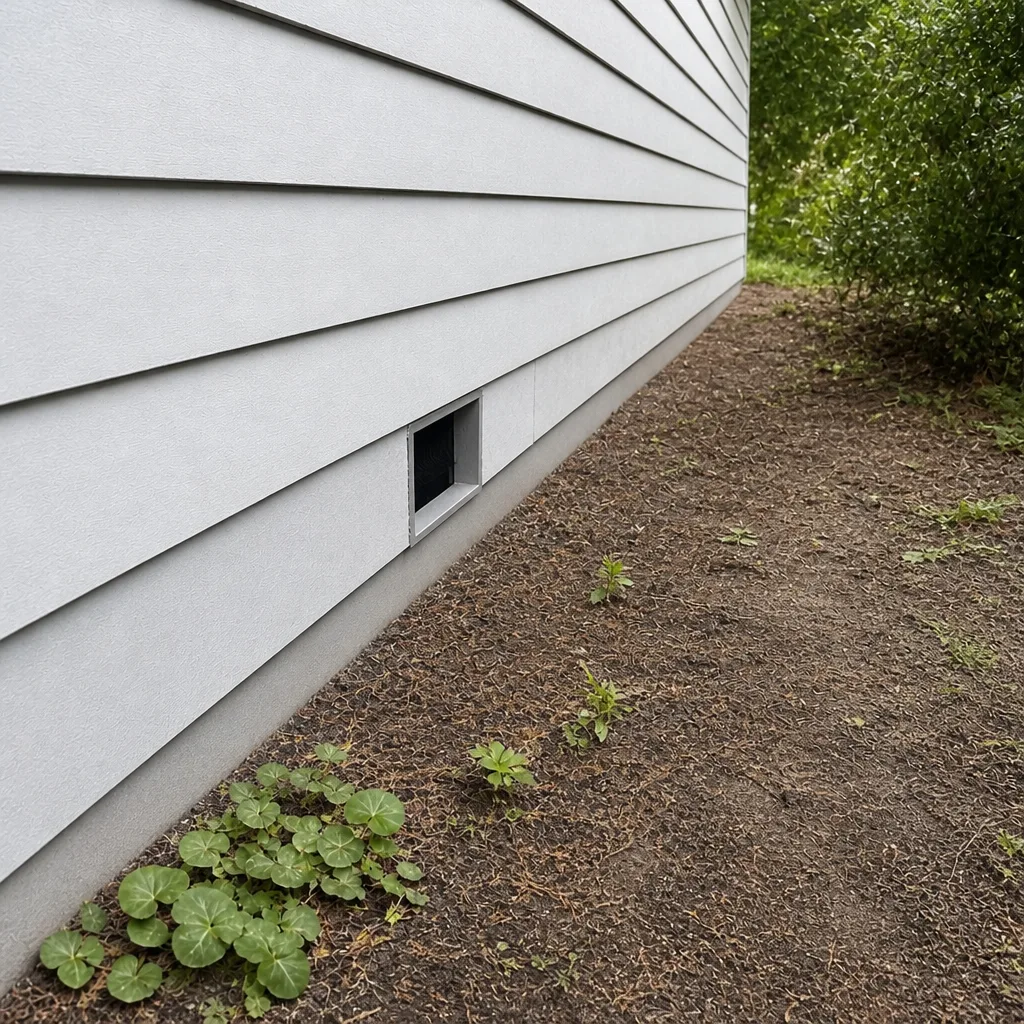 After
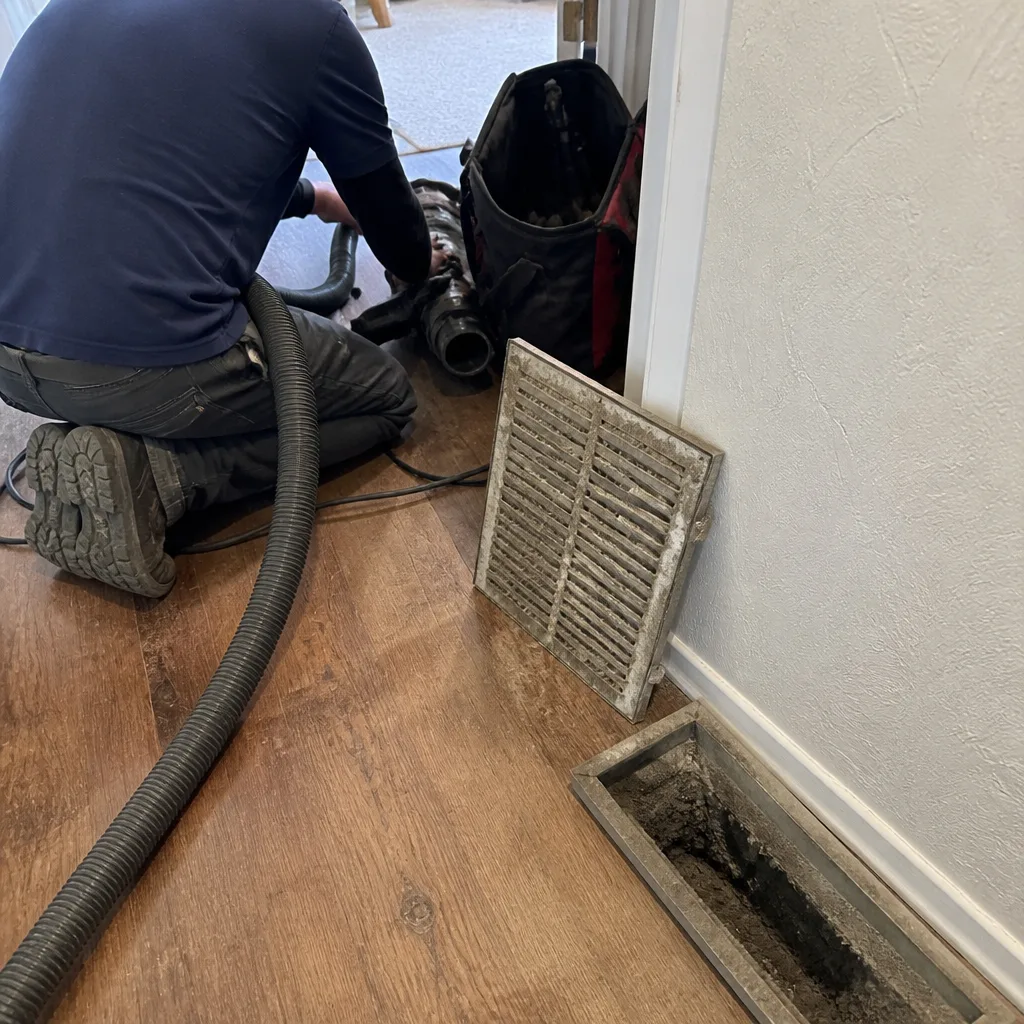 Before
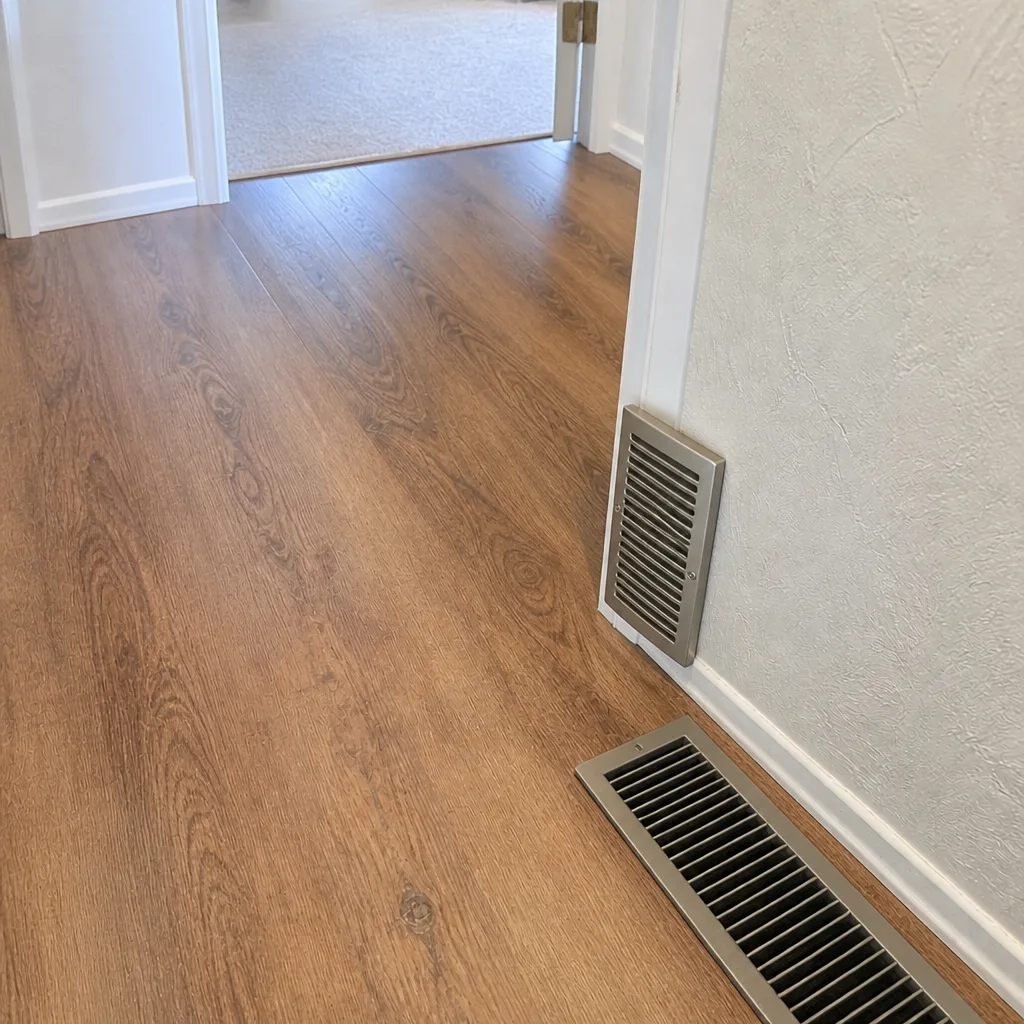 After
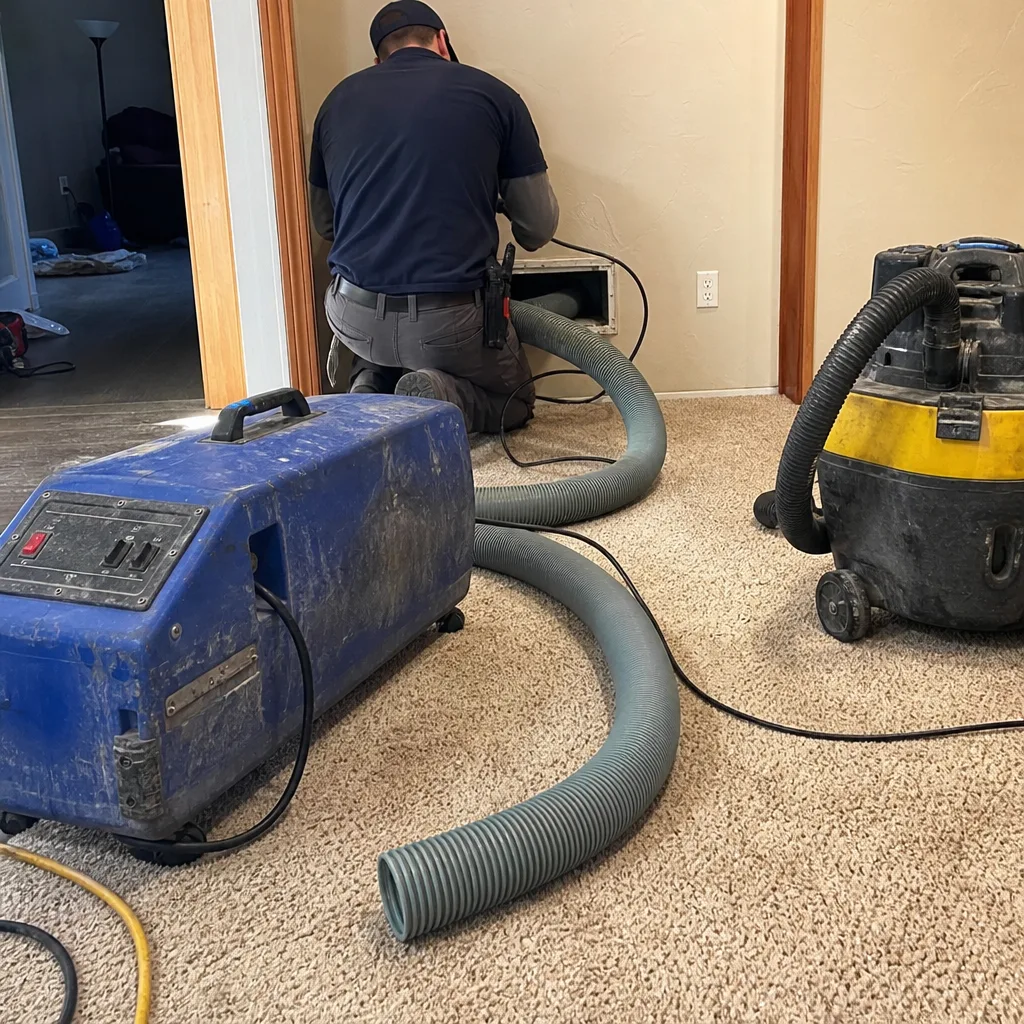 Before
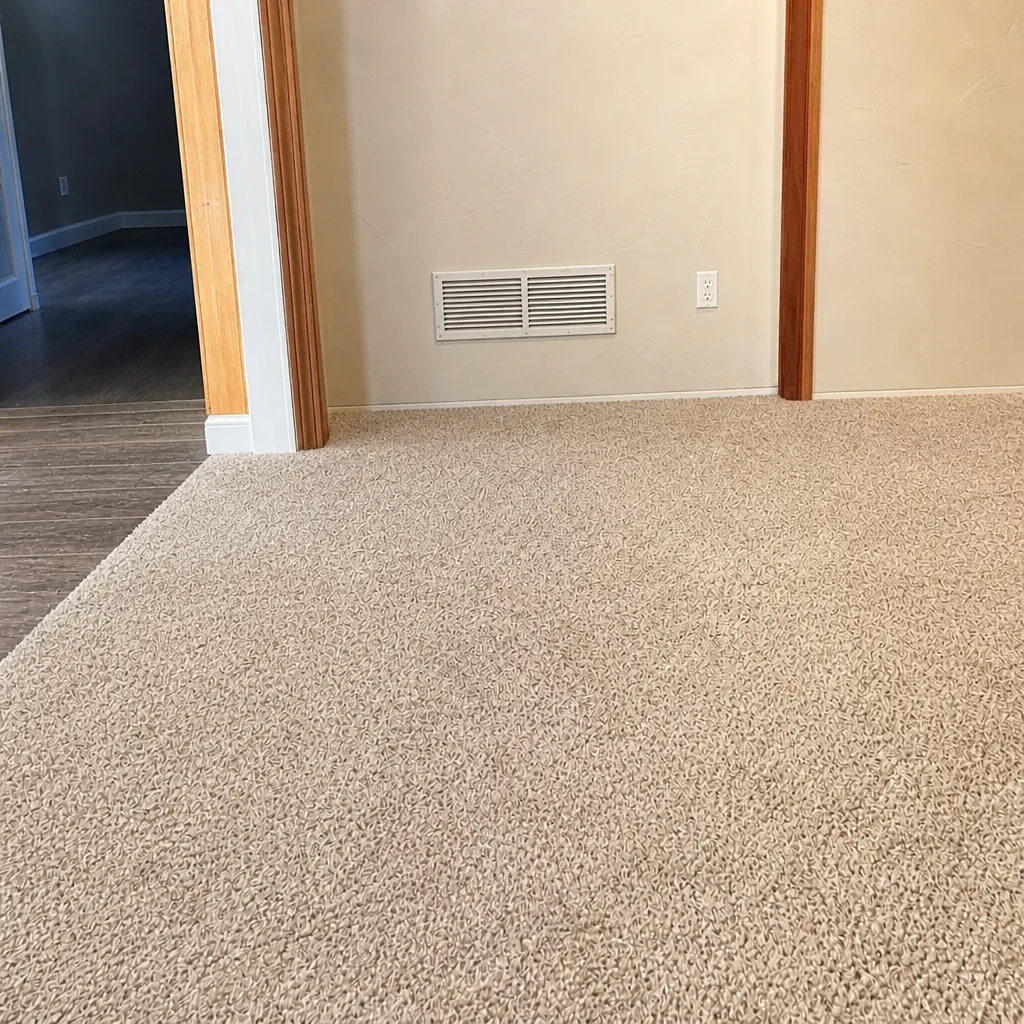 After
When to Call a Professional
Some things a homeowner can check. Cleaning and inspection of the duct system isn’t one of them, because the work requires access to plenums, the air handler, and the interior of the runs. Call a professional when : you’ve just bought or renovated an Englewood home and don’t know the duct history; you suspect the air handler hasn’t been touched in years; the ducts are visibly dirty at the registers or debris blows out when the system starts; allergy symptoms or a persistent musty smell track with HVAC use; you’ve noticed the dryer is running hotter or taking longer to dry clothes; or you want the leaky joints checked before another heating season. Englewood Air Duct Cleaning Pros offers free estimates in Englewood – call (877) 492-4041. We’ll inspect the system, walk you through what we find, and give you a written estimate before any equipment comes out of the van. For the whole scope of what we do, start with Englewood Air Duct Cleaning Pros.
Frequently Asked Questions
Air duct cleaning in Englewood is priced per job by written estimate, not per vent, because two homes of the same size can have completely different duct configurations and scopes. A full-scope cleaning that includes the air handler, plenums, and documentation is a different service than a runs-only cleaning, and the price reflects that. Call (877) 492-4041 for an exact quote – estimates are free, and you’ll know the scope before you commit.
Cheaper quotes usually reflect a narrower scope: no air handler cleaning, no HEPA filtration during the work, and no documentation. A blow-and-go crew can offer a low price because the job is faster and covers less. Ask each provider which equipment will be on-site, whether the blower and coil are included, and whether you’ll get before-and-after photos of your own ducts. That comparison explains most price gaps. Call (877) 492-4041 for a quote you can compare line by line.
Ask for before-and-after photos of your own system – the registers, trunk lines, plenums, and air handler. A legitimate provider documents the job; a service that can’t show you what changed has no verifiable basis. Confirm the HEPA filter ran throughout the job, and ask for a walk-through of what was found, including any compromised joints or a fouled coil. Call (877) 492-4041 to schedule an inspection with documentation.
There’s no fixed schedule – the interval depends on the system’s condition, the household, and the climate. In Englewood’s semi-arid climate, fine particulate loads the ducts faster than in humid regions, and seasonal use pushes a lot of air through the system. Households with pets, allergy sufferers, or recent renovation usually need cleaning on a shorter cycle than others. An inspection every few years is a sensible baseline. Call (877) 492-4041 to find out whether cleaning is actually needed.
Not when the service uses HEPA filtration under negative pressure. The filter captures dislodged contaminants at the system rather than recirculating them into the home, so the air stays clean while the work happens. This is why we deploy Abatement Technologies HEPA equipment on every job. If a provider plans to work without containment, that’s a question worth raising before the equipment comes in. Call (877) 492-4041 with any questions about how the job is set up.
Cleaning without sealing leaves the root cause in place if the ducts leak. A leaky joint pulls crawlspace or attic air into the system every time the air handler runs, so the ducts get dirty again faster and the system runs less efficiently. Sealing without cleaning traps existing debris behind the seal. Both are usually best done in one visit. Call (877) 492-4041 and we’ll inspect the joints and tell you which applies to your system.
The Bottom Line
The duct system is a chain of components – returns, plenums, the blower, the evaporator coil, the drain pan, the supply trunk, and the branch runs – and it fails in the weakest link. Cleaning only the runs is the most common shortcut, and it’s why so many Englewood homeowners come away from a prior service feeling like nothing changed. A full-scope job cleans the components that feed the ducts, documents the before-and-after condition, and inspects the seals and joints so leaks get fixed instead of ignored. Rotobrush and Nikro equipment handles the cleaning; Abatement Technologies HEPA filtration contains what gets dislodged; sanitizing addresses what vacuuming can’t. If you want the whole system sorted in one visit, call (877) 492-4041 for a free estimate.
We answer 24/7. Fast dispatch from 7am to 7pm, Sunday through Friday. Call (877) 492-4041 for a free estimate.
Written by the team at Englewood Air Duct Cleaning Pros.