
Last updated November 25, 2026
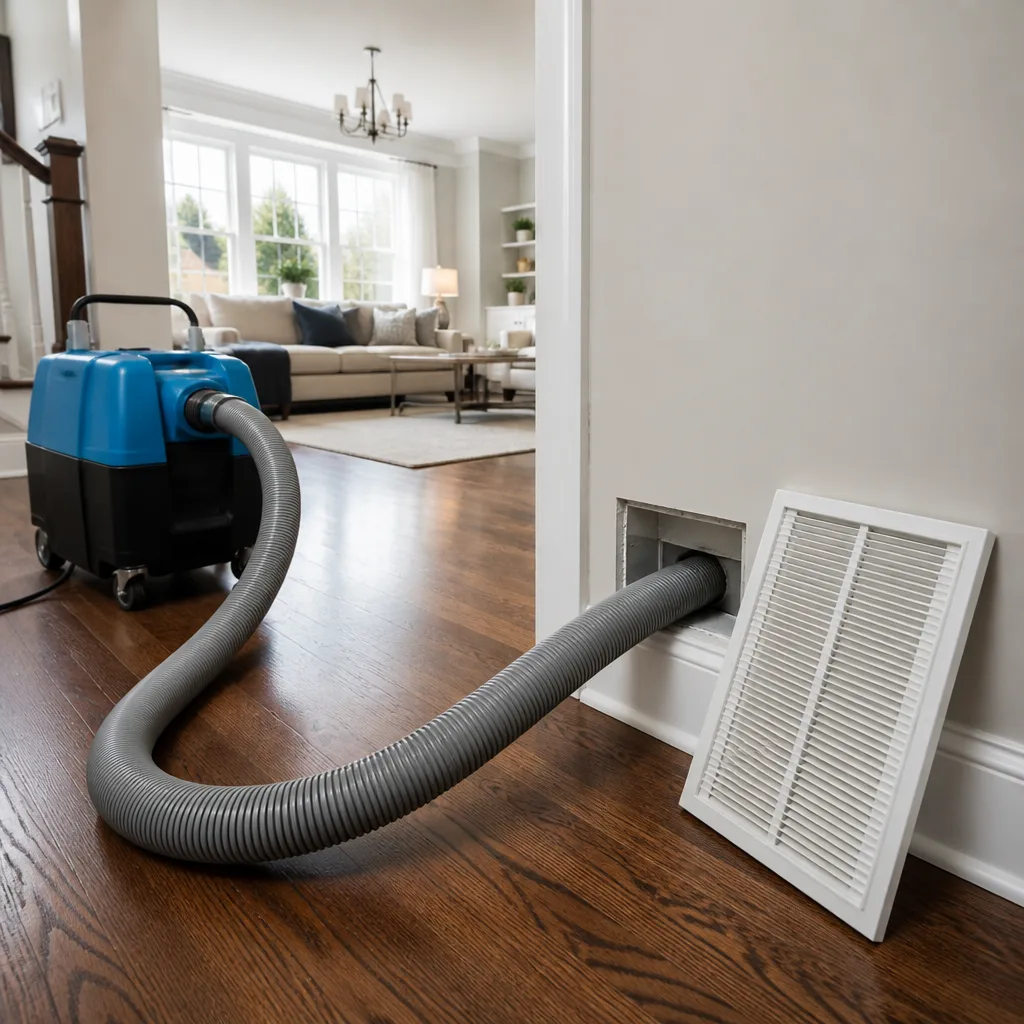 Whole-home duct cleaning
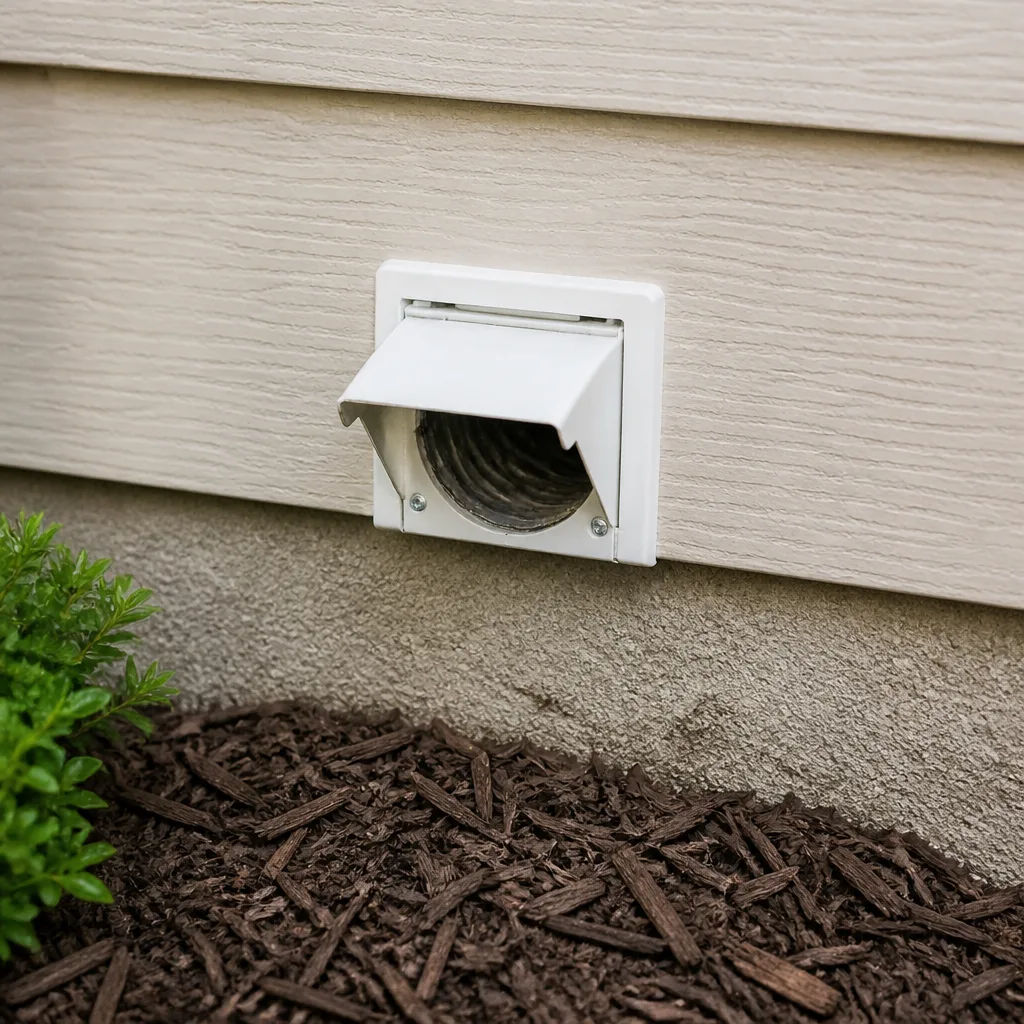 Dryer vent cleaning
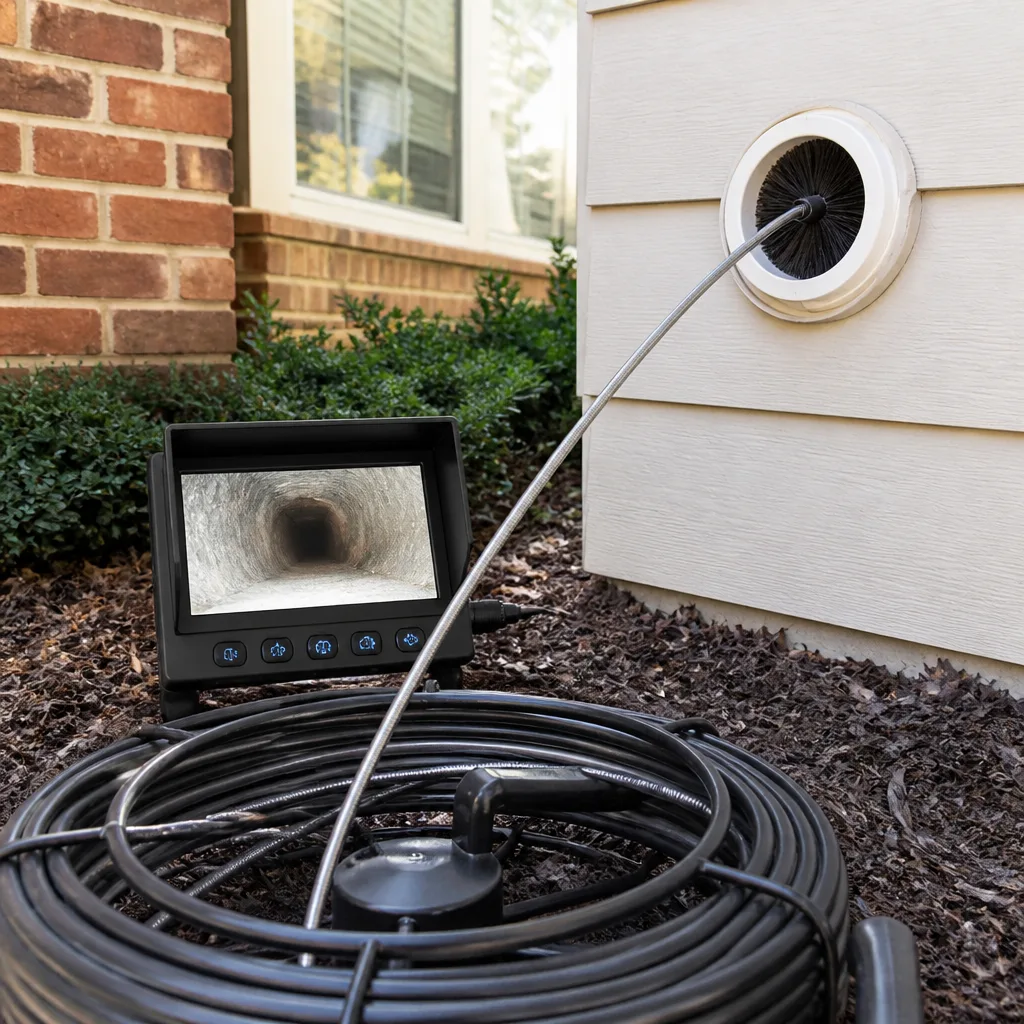 Camera inspection
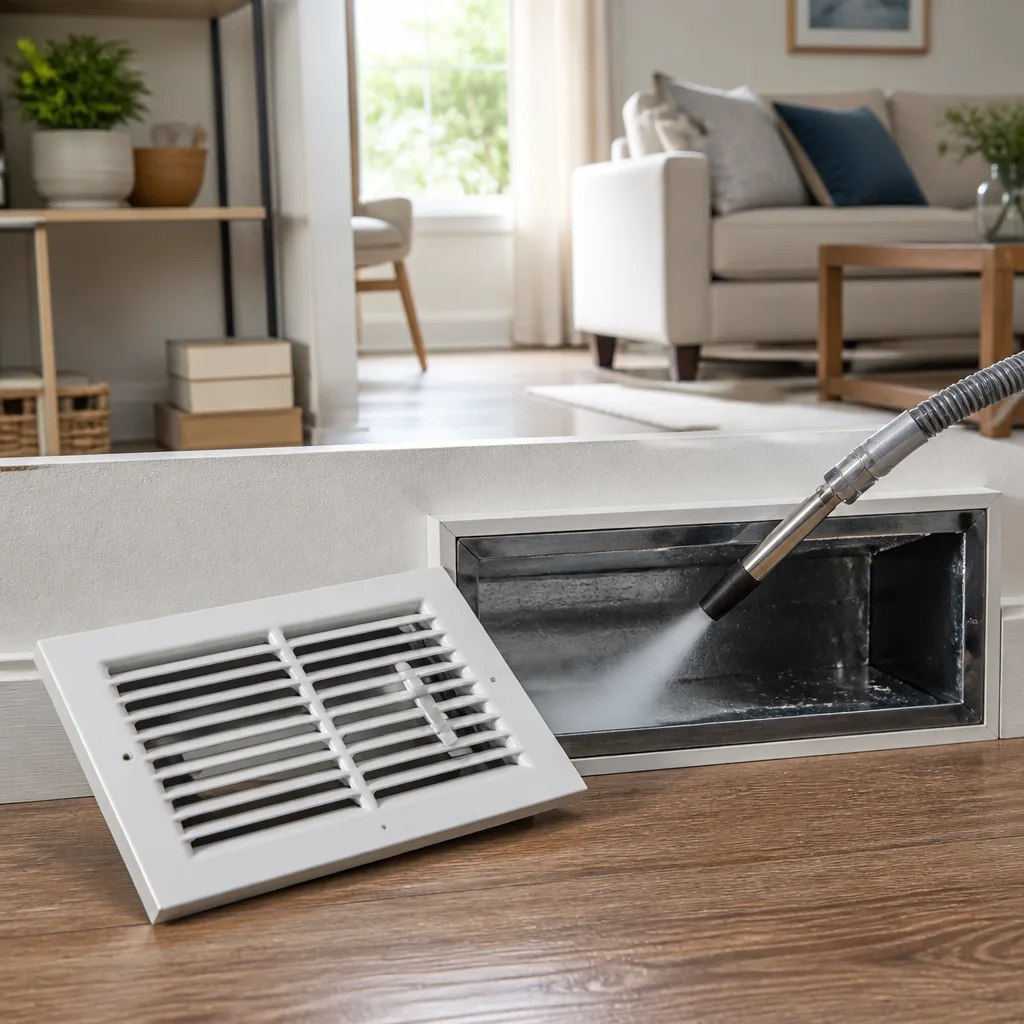 Sanitizing & deodorizing
Whole-system duct and dryer vent check with before-and-after photos - you see exactly what came out of your vents
That "$99 whole-house special" is a bait ad - the real number appears once they are in your hallway, or the "clean" is a shop-vac at the register. We photograph the inside of your ducts before and after instead.
Seasonal Air Duct Cleaning Care for Englewood: Year-Round Homeowner’s Guide
Most homeowners treat air duct cleaning as a once-every-few-years errand, something to schedule when the vents look dusty or a room starts smelling stale. That calendar-based habit is the most expensive mistake in home air quality. Here in Englewood, your duct system goes through four distinct contamination events each year: spring cottonwood and pollen, summer wildfire smoke, fall leaf debris pulled in at return grilles, and winter static-charged dry air. Booking a cleaning in October pushes an entire summer of smoke particulate and cottonwood debris back through the system the first time the heat kicks on. This guide walks through what each season deposits, when to schedule service, and how filter strategy has to shift month to month in Englewood.
Quick Answer
The best time to clean air ducts in Englewood depends on what you’re trying to remove. Late spring (after cottonwood season settles) or early fall (before you switch from cooling to heating) are the two highest-value windows, because each one catches a full contamination cycle before the HVAC system spreads it back through the house. If you run the furnace or AC heavily through smoke season in August, an early-fall service clears that particulate before heating season pushes it through every room.
Styles & brands we work with
- Whole-home duct cleaning
- Dryer vent cleaning
- Camera inspection
- Sanitizing & deodorizing
Table of Contents
- What Each Englewood Season Deposits in Your Ducts
- The Optimal Service Window for Englewood Homes
- Seasonal Filter Strategy: Why MERV-8 Doesn’t Cut It in August
- Protecting Duct Integrity Through Freeze-Thaw Cycles
- Pre-Season HVAC Startup Checklist
- Why Cleaning Alone Isn’t Enough: Sealing Leaky Ducts
- Dryer Vent Season: The Overlooked Half of the Job
- How Often Should You Really Re-Clean?
What Each Englewood Season Deposits in Your Ducts
Englewood sits at the western edge of the Denver metro, right where the plains meet the foothills. That geography drives an unusual seasonal loading pattern that coastal or humid-climate duct guides miss entirely. Here’s what actually accumulates inside a typical Englewood home’s ductwork over a calendar year.
- Spring (April – June): Cottonwood fluff drifts through the metro in late May and early June, and it doesn’t just gunk up condenser coils. Return grilles at floor level pull cottonwood strands and pollen straight into the return trunk. This is the heaviest visible-debris season for Englewood homes with mature cottonwood trees on the block.
- Summer (July – September): Front Range wildfire smoke pushes fine particulates into homes through return air intakes and open windows on smoke-free mornings. Even homes that keep windows closed draw in smoke particulate because outdoor air infiltrates through door seals and attic bypasses, then gets pulled into the return system during AC cycling.
- Fall (October – November): Leaf debris, dust from dormant landscaping, and the first cold snaps that push homeowners to switch from cooling to heating. The moment the furnace ignites, it starts moving everything accumulated over the summer through supply runs.
- Winter (December – March): Englewood’s cold, dry winters produce static in the air and in the ductwork itself. Static-attracted dust and lint cling to duct walls instead of settling, and low indoor humidity lets fine dust stay suspended longer.
Each of those four events is a separate contamination cycle. They don’t blend into one generic year of dust. That’s why a single annual cleaning scheduled without regard to the calendar produces worse results than two cleanings timed against the actual deposit patterns.
The Optimal Service Window for Englewood Homes
If you could only schedule one cleaning per year, we’d point most Englewood homeowners at the last two weeks of September or the first two weeks of October, just before the furnace takes over for the season. That single window catches the summer smoke load and the cottonwood that came in during May, and it clears supply and return runs right before the heating system starts moving air through them for four straight months.
The second-best window is late June, right after cottonwood fuzz has finished circulating. Some Englewood homeowners with allergy sufferers prefer this slot because it removes spring pollen before it recirculates in July and August.
Here’s a rough way to think about timing against the HVAC switchover points:
- Pre-cooling switchover (late May): AC starts running full time. If your ducts hold winter dust and lint from a dry winter, you’re blowing that through the house the first week AC comes on. A light spring cleaning isn’t always needed, but a filter change absolutely is.
- Post-cottonwood window (mid-to-late June): Cottonwood and pollen load is at its peak in ducts. A cleaning now removes the heaviest biological material before summer heat sets in.
- Post-smoke, pre-heating (September – early October): The single highest-value service window for most Englewood homes. Clears summer smoke and prepares the system for heating season.
- Mid-winter dry-air check (January – February): If you have pets or an adult with respiratory sensitivity, a mid-winter filter upgrade and duct inspection catches the static-attracted lint load before spring.
Two cleanings per year (June and October) is the pattern we’d recommend to Englewood households with allergy sufferers, pets, or young children. One cleaning per year is workable for homes without those factors, as long as it lands in the fall window.
Seasonal Filter Strategy: Why MERV-8 Doesn’t Cut It in August
A MERV-8 filter is the right call for most of the year in Englewood. It captures the larger dust, lint, and pollen that move through a residential return system without choking airflow through the furnace or AC coil. In August, though, the Front Range smoke season changes the equation. Smoke particles are smaller than MERV-8 captures effectively, and during a multi-day smoke event a MERV-8 filter is essentially a speedbump. Airflow stays steady, but the fine particulate keeps circulating.
Here’s a rough filter strategy tied to Englewood’s seasons:
- November – March: MERV-8 to MERV-11. Cold, dry furnace-running months. You want good dust capture without overloading the system with a filter that restricts airflow and drives static pressure up.
- April – June: MERV-11 during cottonwood and pollen season, especially if there’s a cottonwood tree within a block. Change or clean the filter at least once during this window.
- July – September: Step up to MERV-13 during active smoke events if your furnace is rated for it. MERV-13 captures the fine particulate that MERV-8 misses, but not every residential blower can handle the added pressure drop. Check your furnace’s filter specification before stepping up.
- October: Return to MERV-11 for the fall transition, then back to MERV-8 once winter settles in.
Honeywell and Aprilaire both make residential media cabinets rated for higher MERV ranges, and if your return system uses one of these, filter changes are straightforward and the cabinet holds its seal through filter swaps. If you’re not sure what your filter cabinet is rated for, that’s a question worth walking through before you buy a stack of MERV-13 filters that your system can’t use efficiently.
One more Englewood-specific filter note: during a high smoke week, running a MERV-13 filter is only half the equation. Set your thermostat fan to ON rather than AUTO during the day so the system keeps pulling air through the filter even when the AC isn’t actively cooling. That’s when the filter actually does its job.
Protecting Duct Integrity Through Freeze-Thaw Cycles
Englewood’s freeze-thaw pattern matters for ductwork run through unconditioned spaces. Attics, crawlspaces, and garage chases see daytime swings above freezing and nighttime drops well below, and that thermal cycling is hard on any duct system. The duct material expands and contracts against its seals, and after several seasons the foil tape and mastic at joints start to fail. Once a joint opens, the duct isn’t just leaking conditioned air into the attic: it’s pulling attic air back into the airstream.
That’s the real problem. A leaky supply duct in a cold attic loses heated air, which your furnace then has to make up for. But a leaky return duct in an attic pulls unconditioned, dusty, sometimes fiberglass-contaminated air straight back into the system. Every duct cleaning without a repair pass leaves those leaks in place.
What to check each fall before heating season:
- Walk your attic or crawlspace and look at every visible duct joint. Any joint with peeling tape, visible gaps at the collar, or mastic that has cracked is a leak.
- Check flex duct runs for collapsed sections or tight bends where the inner liner has pinched off airflow.
- Look at the boot where each duct penetrates the ceiling or floor. A boot that has pulled away from the drywall is pulling attic or wall cavity air into the room.
- If you notice rooms that never seem to get warm in January even with the thermostat set high, that’s a symptom of a duct leak or restriction, not a furnace problem.
Duct repair and sealing closes the loop. Cleaning removes the debris; sealing keeps the conditioned air inside the ducts and keeps attic air out. If you have exterior or unconditioned-space ductwork in Englewood, sealing is not an optional add-on to conditioning season; it’s what makes the cleaning actually pay off.
Pre-Season HVAC Startup Checklist
Before you turn the heat on for the season, run through this routine. It ties duct condition to system efficiency and catches problems while weather is still mild.
- Swap the filter. Late September is the right time for a fresh filter in Englewood. The one in the cabinet has spent a summer catching smoke and cottonwood, and starting heating season with a loaded filter raises static pressure from day one.
- Look at the return grilles. If you see cottonwood fluff, dust matting, or debris collected at the return, the return trunk itself likely holds more. That’s a signal for air duct cleaning before the furnace starts moving air through it.
- Check supply airflow in the farthest room. A weak register in the bedroom furthest from the furnace is usually a duct restriction or leak, not a furnace problem.
- Walk the attic. Photograph any duct joint that looks suspect. The photos give a technician a clear picture of what needs sealing before heating season.
- Confirm the thermostat fan setting. Once heating season begins, “fan ON” throughout the day is worth considering if you’re dealing with smoke or allergy season extending into fall.
- Note any odd smell from the registers. A musty or metallic smell at the first few heating cycles is common if ducts haven’t been cleaned, but a continuing smell through the season is worth an inspection.
The point of the checklist isn’t to catch everything in one shot. It’s to build a habit of looking at the duct system as a seasonal component, not a set-and-forget part of the house. Homes here in the Hillcrest and Bellewood areas, many of which date to the 1950s and 1960s, tend to have older duct layouts where the return run is under-sized for the modern furnace. That’s why airflow problems show up more often in those neighborhoods than in newer construction.
Why Cleaning Alone Isn’t Enough: Sealing Leaky Ducts
You can absolutely clean the debris out of a leaking duct system and still watch it get contaminated again within a few seasons. The reason is simple: a leak works both directions. Air leaves through the gap, but it also comes back in through the gap. In a dusty attic or a crawlspace that has fiberglass insulation, the return system pulls that dust and fiberglass particulate back into the ducts within weeks of a cleaning.
Sealing the leaks first, or in the same visit as the cleaning, is what makes the cleaning hold. Foil tape and duct mastic are the two tools that matter for accessible joints: mastic is the more durable option and holds its seal through the temperature swings of an unconditioned attic. For inaccessible joints, we look at the system and determine what’s reachable.
Common leak locations in Englewood homes:
- Joint between the supply trunk and each branch takeoff.
- The boot at the ceiling or floor penetration.
- Attic connections at the furnace plenum.
- Flex duct collars, where the inner liner attaches to the metal start collar.
- Crawlspace runs that have settled against the joists and pulled seals loose.
When the HVAC cleaning and duct work happen together, the system ends up cleaner and stays cleaner longer because the leaks aren’t recycling contamination. That’s the practical reason the two services belong in the same visit for most Englewood homes.
Dryer Vent Season: The Overlooked Half of the Job
The dryer vent is the other duct system in your home, and it’s often skipped because it doesn’t run through the same route as the HVAC ducts. In Englewood, a home with a full load of laundry running two or three times a week accumulates lint in the vent at a pace that matters. Lint is highly flammable, and a clogged dryer vent also extends drying time and strains the dryer motor.
Here’s the seasonal timing we’d recommend for dryer vent cleaning:
- Late spring and early summer: Peak laundry volume as families are home more and summer clothing cycles in. Clean before the heavy season, not after.
- Late fall: Sweaters, blankets, and winter bedding load the dryer heavily. Clean before that load hits.
- After any renovation: Drywall dust and construction lint accumulate in the vent fast, and new construction or remodel projects are a common cause of early lint buildup.
A dryer vent cleaning is short, and it’s the single highest-value maintenance task in most homes when measured against the fire risk it addresses. We treat it with the same thoroughness as an HVAC duct cleaning, using the same professional equipment. Air quality and sanitizing are a separate documented step that targets what vacuuming alone can’t remove, and the same logic applies to the dryer vent: clean it, then confirm the run is clear all the way to the exterior hood.
How Often Should You Really Re-Clean?
The “every three to five years” advice that circulates online is only accurate for homes without the four contamination events we have in Englewood. In a Front Range home that runs a furnace six to seven months out of the year, opens windows during pollen season, and pulls in summer smoke, that interval is too long.
Here’s a rough interval guide for Englewood:
- Once annual cleaning: Homes without pets, allergy sufferers, or children, in neighborhoods with low smoke exposure. Time it to the fall window.
- Twice annual cleaning: Homes with pets, allergy sufferers, children under five, or anyone with respiratory conditions. Time the cleanings to June and October.
- After renovation: Any home that has had drywall work, demolition, or flooring replacement should be cleaned once at the end of the project. Construction dust settles into ducts and stays there.
- After a heavy smoke season: If the Front Range hits a prolonged wildfire-smoke event in July or August, a fall cleaning becomes a higher priority, even if you cleaned in spring.
- After moving into a new home: You don’t know what the previous owners did. A first-year cleaning is worth it for any home purchase, regardless of what the inspector said.
If you’ve just bought a house in Englewood or just finished a remodel, treat the first cleaning as a reset. From there, the interval gets set by your household, not by a fixed calendar.
Common Mistakes to Avoid
- Scheduling in October without cleaning first. Running the heat through an uncleaned system pushes a summer’s worth of smoke and cottonwood particulate into every room. Clean the ducts before the first heat cycle, not after.
- Assuming a filter change is the same as a duct cleaning. A filter catches what reaches it. Dust that’s settled on duct walls and in supply runs stays there regardless of the filter.
- Sticking with MERV-8 through August smoke. MERV-8 is right for most of the year in Englewood, but it doesn’t capture fine smoke particulate. Step up during active smoke events if the furnace is rated for it.
- Cleaning without repairing. A cleaning in a leaky system gets undone within a season as the leaks pull attic dust back in. Seal the leaks during the same visit.
- Skipping the dryer vent. It’s a separate duct system from the HVAC side, and it accumulates lint year-round. Clean it as part of your seasonal routine.
- Trusting a “one-visit, low-price” duct cleaner. A whole-system cleaning requires the equipment to do the job correctly: HEPA filtration to contain what’s dislodged, professional-grade machines that actually reach the duct walls, and a technician who inspects the system rather than breezing past it.
- Ignoring a weak register in one room. A room that never heats or cools properly is usually a duct or leak issue, not a furnace issue, and it’s worth diagnosing before you replace equipment.
See the difference
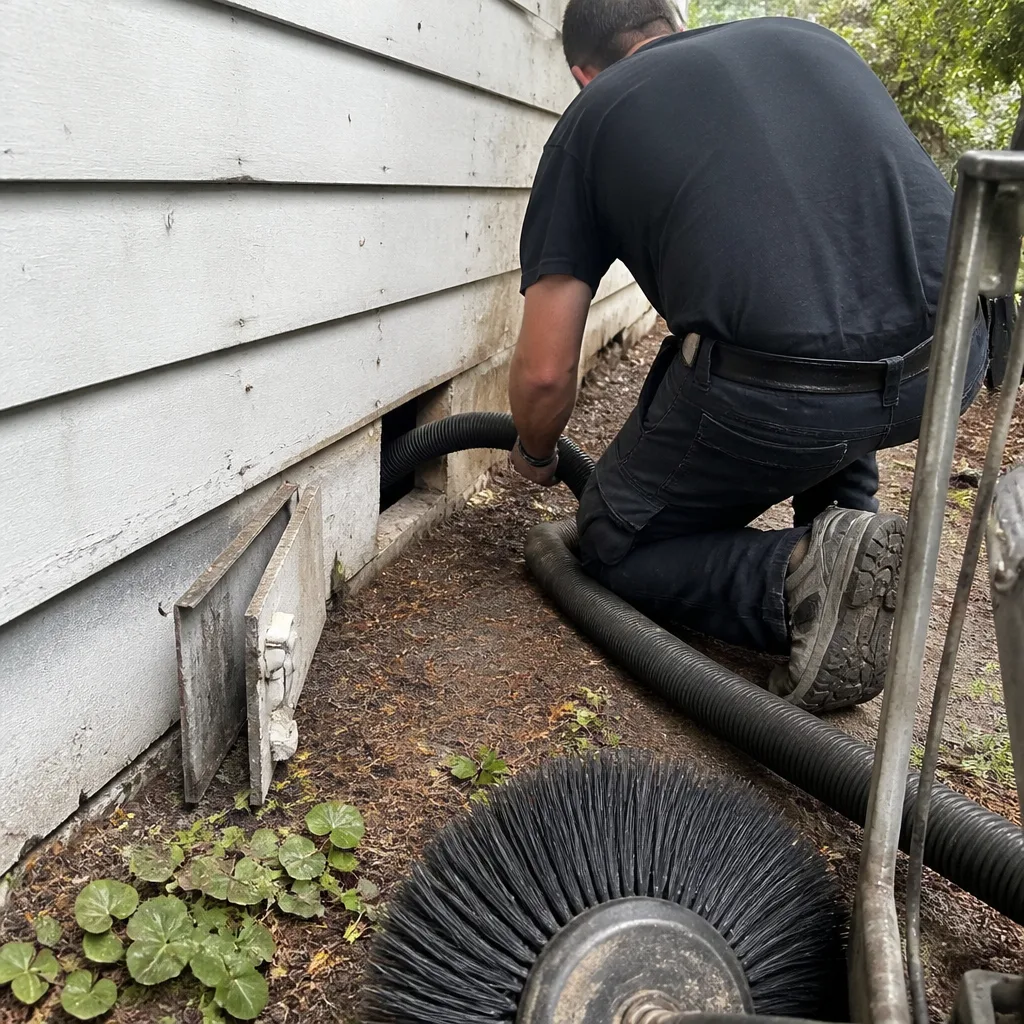 Before
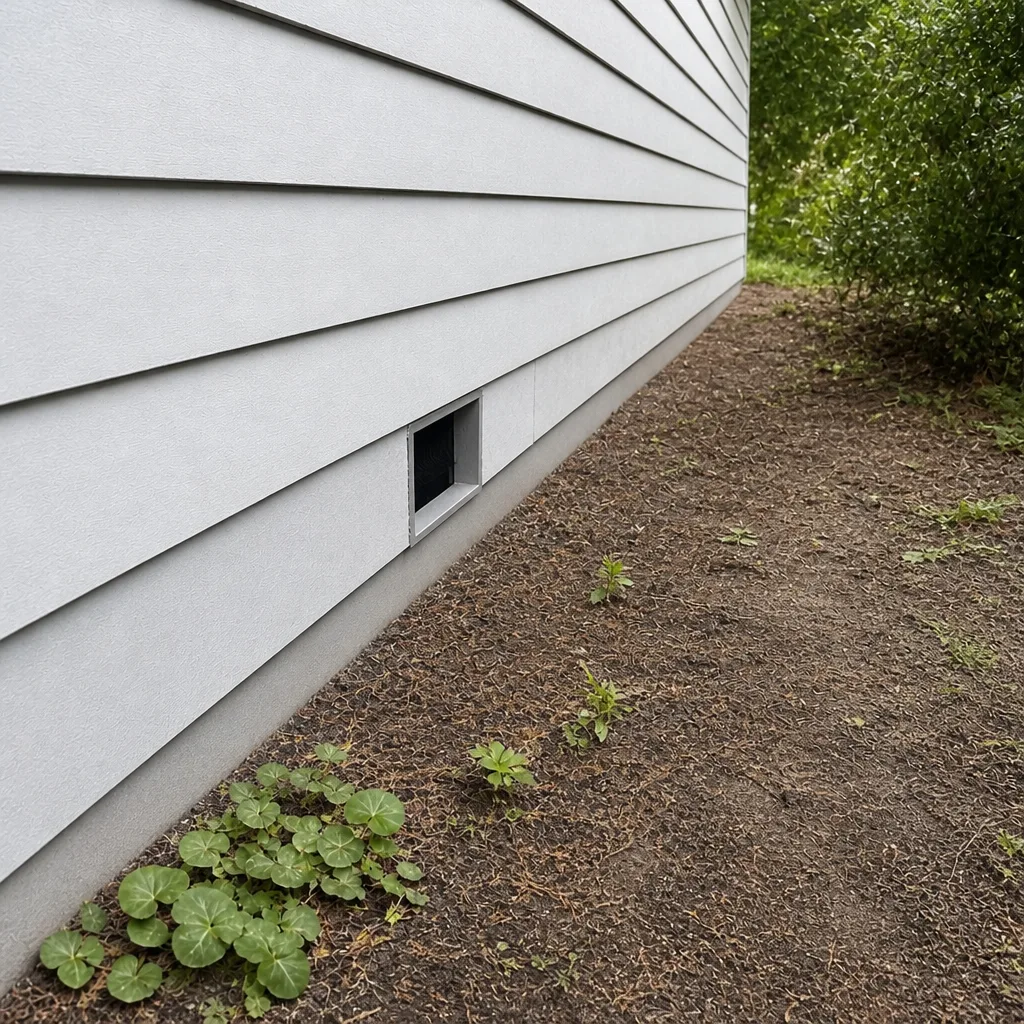 After
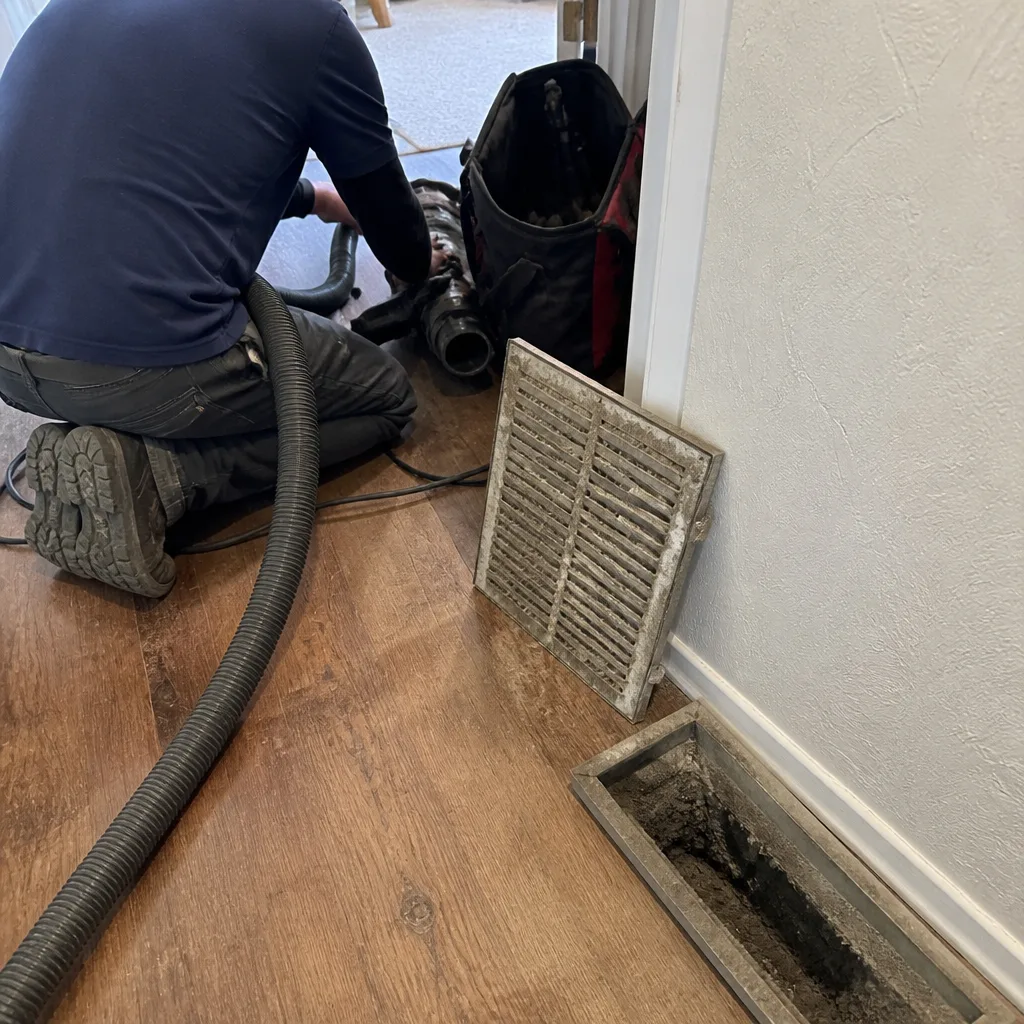 Before
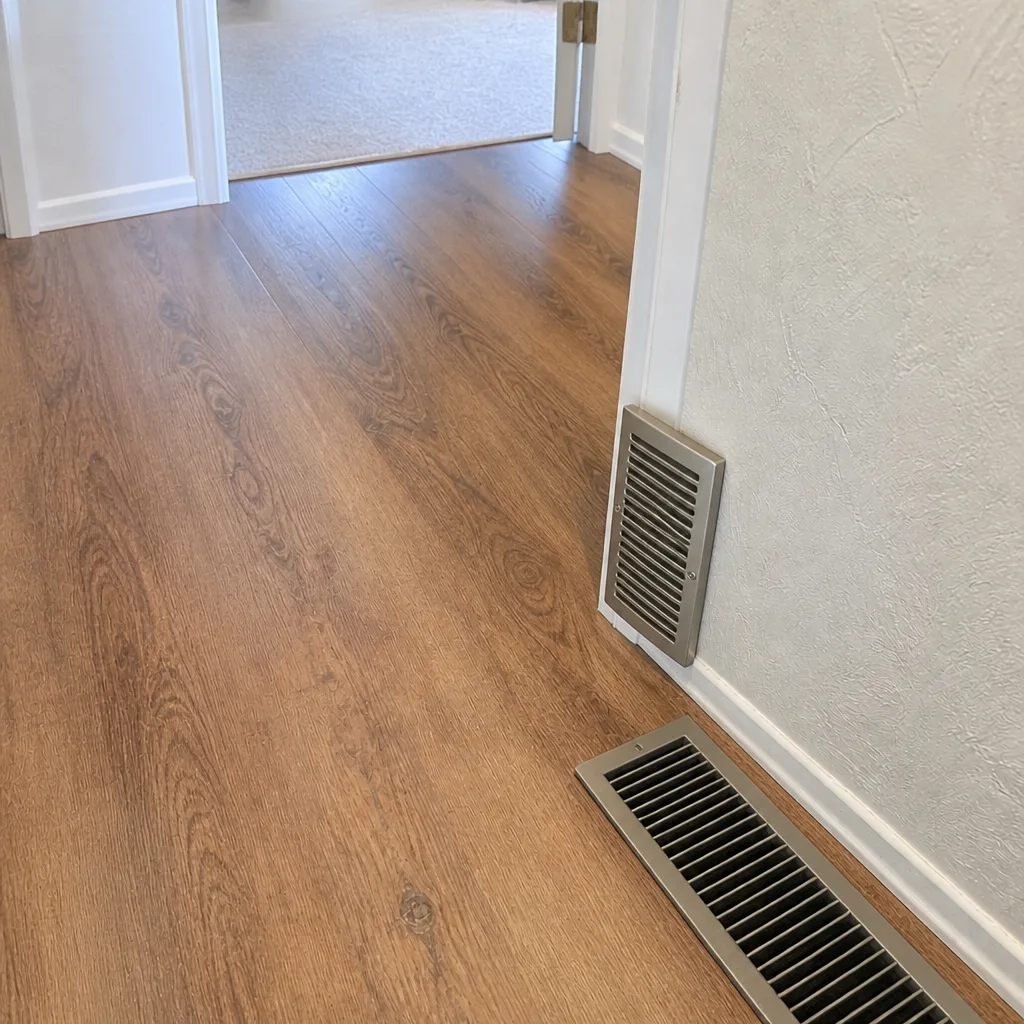 After
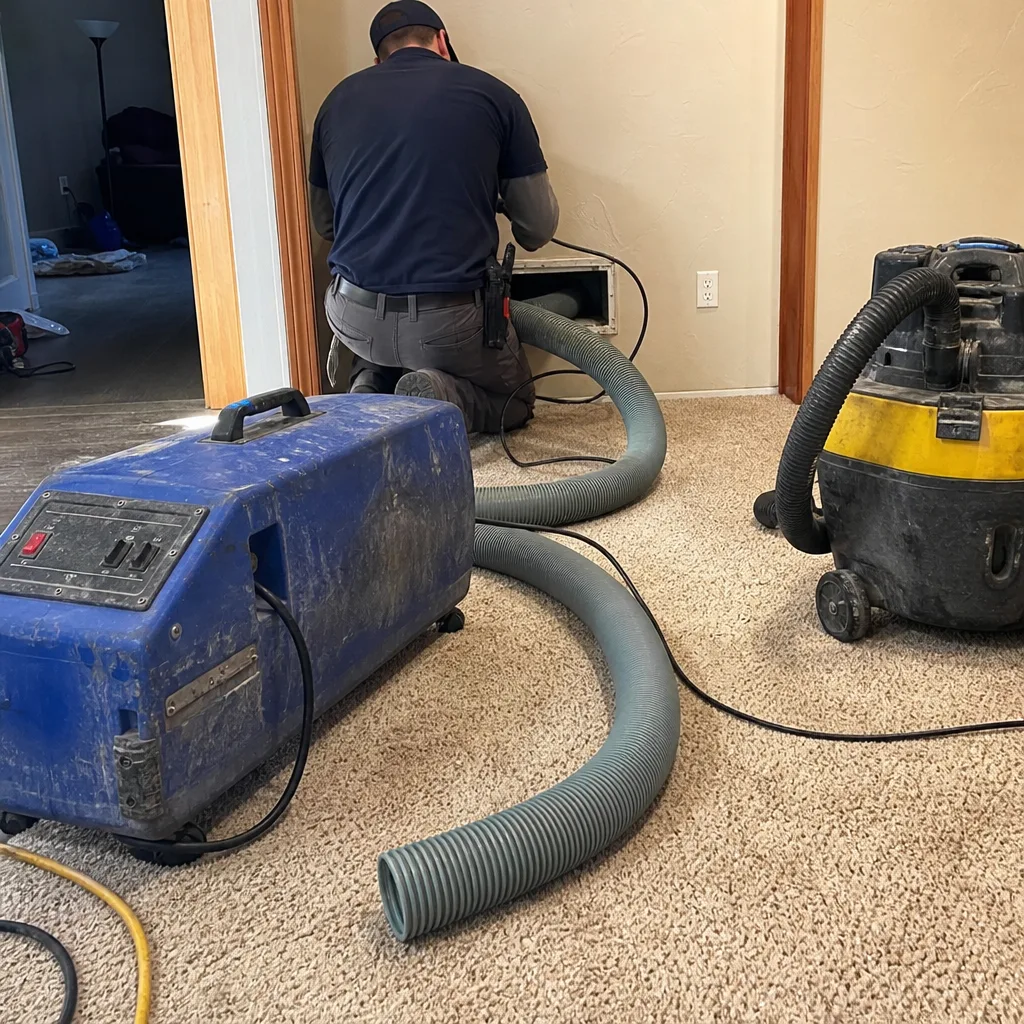 Before
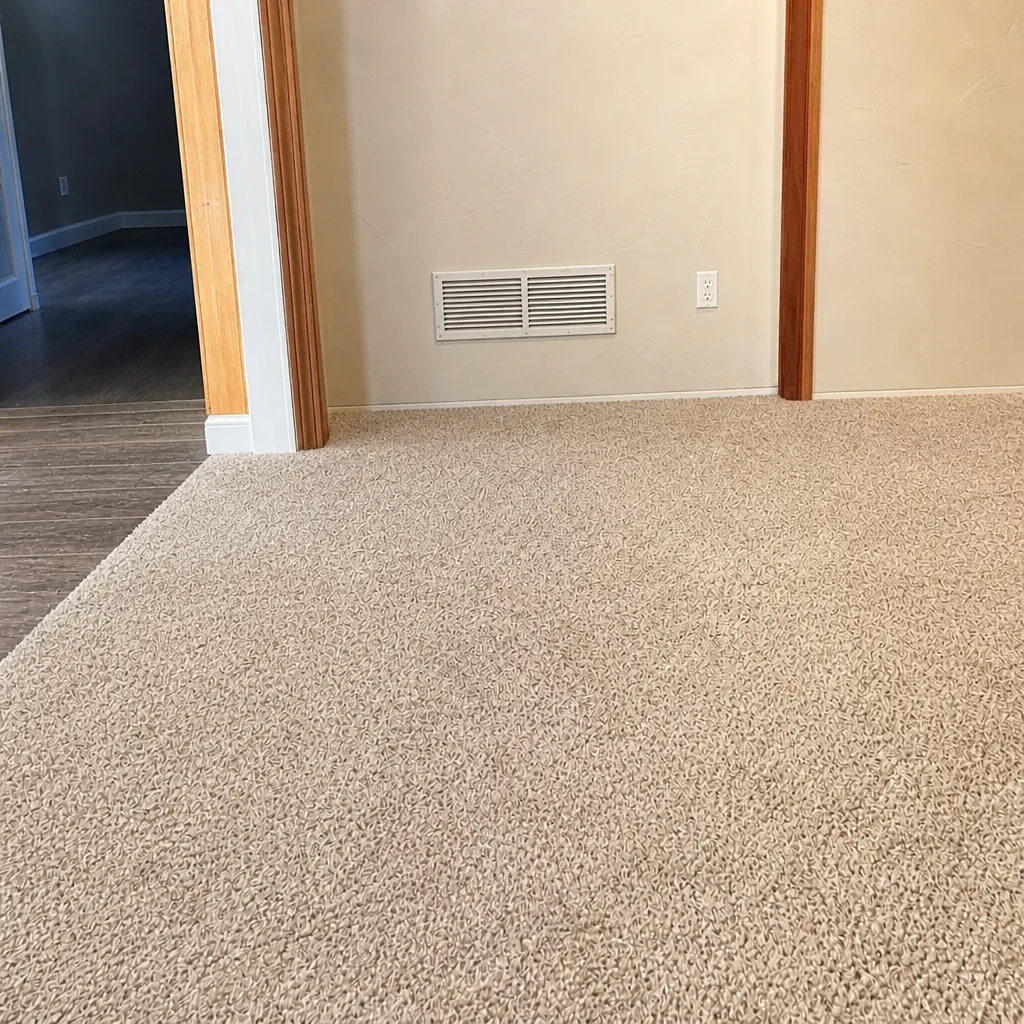 After
When to Call a Professional
Some duct maintenance is a filter swap and a look around the attic. Other jobs need the equipment and the trained eye, and squeezing them into a weekend DIY session rarely works out. Call us when you see visible debris or matting at the return grilles, when a room’s airflow has dropped noticeably, when you can see duct joints with peeling tape or visible gaps, when a musty or metallic smell comes from the registers through the season, when you’ve just bought a home or finished a renovation, or when the dryer is taking noticeably longer to dry a load. Those are all situations where a whole-system inspection saves money over repeated filter swaps and thermostat adjustments.
Englewood Air Duct Cleaning Pros offers free estimates in Englewood – call (877) 492-4041. One price per system is agreed in writing before any work starts, and the local pro we connect you with is licensed and insured as the state requires. Before-and-after photos of your own ducts are part of the job.
Frequently Asked Questions
Late September through early October is the best month for most Englewood homes, because it clears the summer smoke and cottonwood load before the furnace starts running through the heating season. For allergy-sensitive homes, mid-to-late June is a strong second choice, right after cottonwood season ends.
Yes. The four-season Front Range pattern creates four distinct contamination events per year – spring cottonwood and pollen, summer wildfire smoke, fall leaf debris, and winter static-attracted dust. That’s roughly twice the annual contamination load of a mild-climate city where the furnace and AC run less and window-open days are more evenly spread.
Whole-system air duct cleaning in Englewood is priced per system, and that price is set in writing by a written estimate before any work begins. Rather than quoting a teaser number, we give a flat price based on the actual size and condition of your duct system. Call (877) 492-4041 for a free estimate – there’s no per-vent pricing and no bait-and-switch pricing after the technician arrives.
Cheap quotes usually rely on a shop-vac approach rather than professional-grade equipment. A real whole-system cleaning uses machines like Rotobrush and Nikro that reach the duct walls with the right airflow, and it deploys HEPA filtration (Abatement Technologies equipment is what we use) to contain what gets dislodged instead of recirculating it through the house. The equipment and the containment are why pricing differs, and they’re also why the results differ.
Before-and-after photos of your own ducts are the simplest verification. A professional job also starts with an inspection before cleaning, so the technician can point to what was found and what was removed. Ask for photos before the technician leaves.
Once a year suits homes without pets, allergies, or young children. For homes with pets, allergy sufferers, or children, twice a year – once in June and once in October – is a better interval. A new home purchase or recent renovation warrants a cleaning regardless of the calendar.
You can clear the visible lint at the dryer end and at the exterior hood, and that’s worth doing. The longer run inside the wall or through the crawlspace needs a brush and vacuum that reaches the full length of the vent, and that’s where the equipment matters. Given that lint buildup is a leading cause of residential fires, a full-length cleaning is worth the call.
Yes. Duct repair and sealing can be handled on the same visit as the cleaning, and in most Englewood homes with attic or crawlspace runs, it should be. Cleaning a leaky system without sealing it means the leaks pull contaminated attic air back in within a season.
The Bottom Line
Four-season Englewood weather creates four separate contamination events, so a single annual cleaning timed without regard to season wastes the money. Time one cleaning to June and, if your household warrants it, a second to October. Step up the filter from MERV-8 to MERV-13 during smoke events if the furnace is rated for it. Check duct joints in the attic or crawlspace every fall before heating season, and seal what’s leaking so the cleaning actually holds. Include the dryer vent in the same routine. And when it’s time for the real thing, book a whole-system cleaning with a pro who inspects, cleans, and seals in one visit. That’s what we do here at Englewood Air Duct Cleaning Pros, and it’s the routine that keeps a Front Range duct system working the way it should.
Call (877) 492-4041 for a free estimate. We answer 24/7. Fast dispatch from 7am to 7pm, Sunday through Friday, and one flat price per system agreed before work starts. Our technicians have up to 8 years of experience, and we use the same professional equipment as certified specialists: Rotobrush, Nikro, and Abatement Technologies HEPA filtration. We work on the systems you already own – Honeywell, Aprilaire, and most major residential HVAC brands – and we handle cleaning, duct repair and sealing, HVAC cleaning, dryer vent cleaning, and air quality sanitizing under one roof.
Written by the team at Englewood Air Duct Cleaning Pros.