
Last updated November 25, 2026
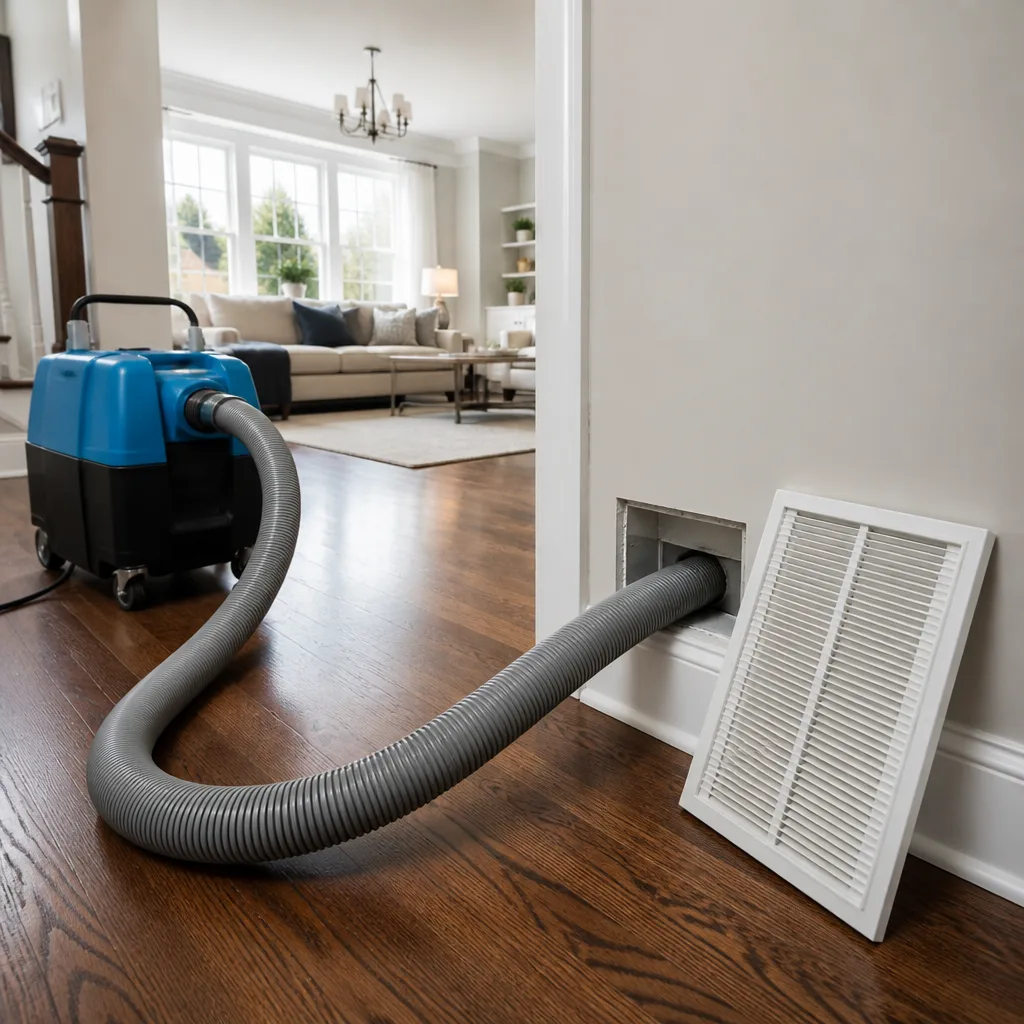 Whole-home duct cleaning
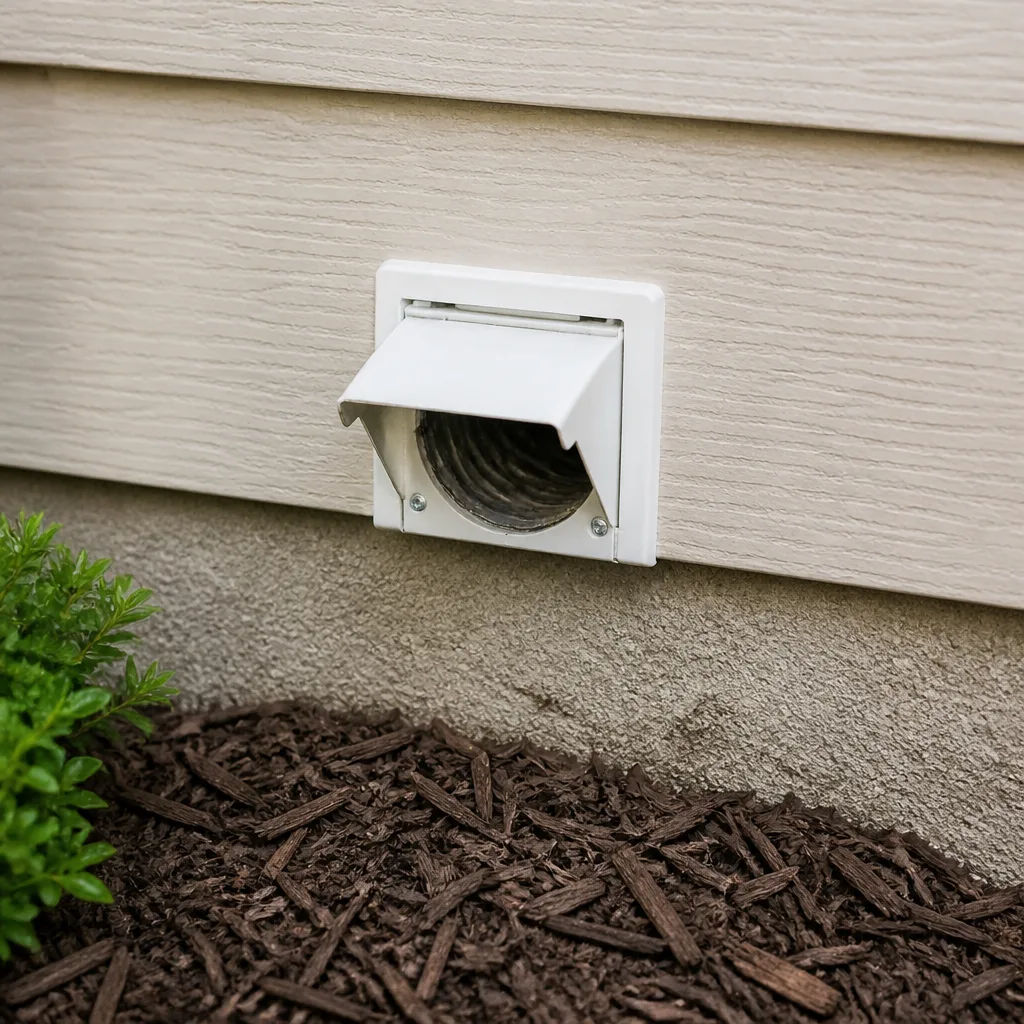 Dryer vent cleaning
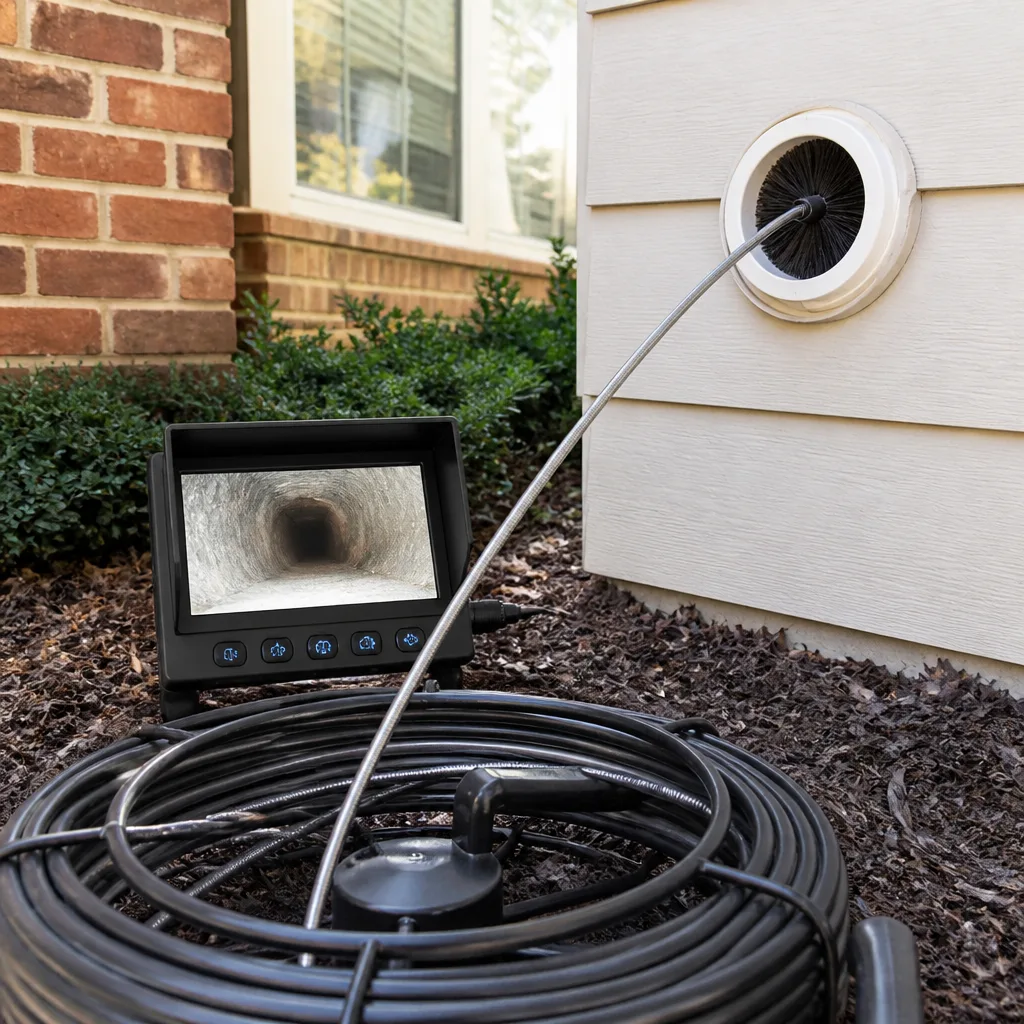 Camera inspection
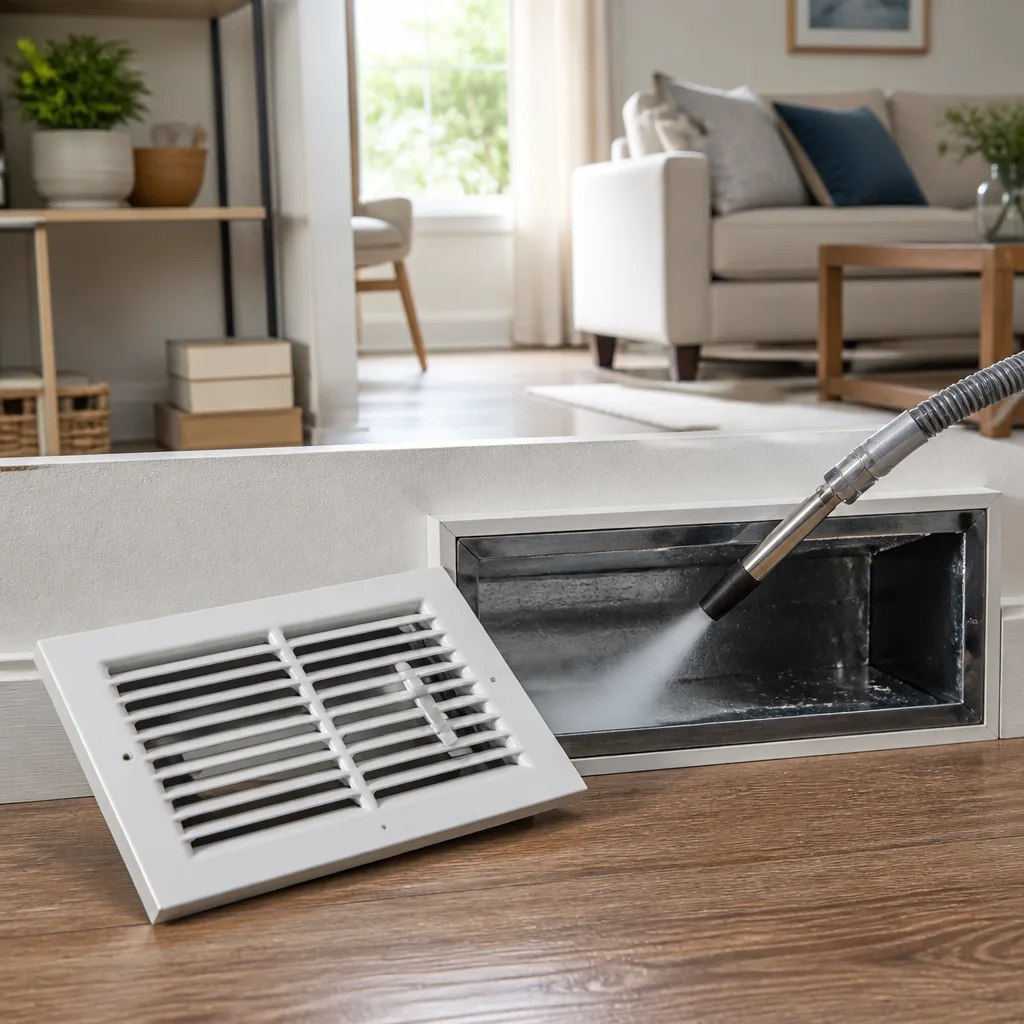 Sanitizing & deodorizing
Whole-system duct and dryer vent check with before-and-after photos - you see exactly what came out of your vents
That "$99 whole-house special" is a bait ad - the real number appears once they are in your hallway, or the "clean" is a shop-vac at the register. We photograph the inside of your ducts before and after instead.
Air Duct Cleaning Emergency Preparedness Guide for Englewood Homes
Most homeowners treat duct cleaning as a maintenance chore – something you get around to every few years when the vents look dusty. That’s the wrong frame for Englewood, and it’s the misconception this guide exists to correct. The two situations that actually damage a duct system here are wildfire smoke infiltration and water intrusion from a burst pipe or flood, and neither one is solved by “cleaning” in the usual sense. A standard vacuum-and-brush job started too late, or stopped too early, can leave fine particulate or moisture trapped in the system where it keeps recirculating. What you do during the event matters as much as the cleanup after. This guide walks through the response sequence for both scenarios, how to document the damage for insurance, and what to have ready before an emergency creates urgency.
Quick Answer
If wildfire smoke or water has gotten into your ducts, the first move is to stop the system from spreading it: shut off the HVAC during active smoke events or immediately after a water intrusion, then get a professional assessment before running anything that could push contaminants back through the house. Smoke that’s drawn into the ducts during an event usually needs full-system cleaning plus sanitizing to be considered addressed, while wet ductwork has a 48-72 hour window before the appropriate response shifts from cleaning to mold remediation. Document the system’s condition with photos and written notes so your insurance claim reflects what actually happened.
Styles & brands we work with
- Whole-home duct cleaning
- Dryer vent cleaning
- Camera inspection
- Sanitizing & deodorizing
Table of Contents
- Why Standard Cleaning Doesn’t Solve an Emergency
- Wildfire Smoke: The HVAC Response Protocol During an Event
- Post-Smoke Assessment: What Determines Whether Cleaning Is Enough
- Water Intrusion and the 48-72 Hour Window
- Documenting Duct Damage for Insurance Claims
- Pre-Season Preparedness: What to Have Ready
- Cleaning vs. Remediation: Knowing Which You Need
Why Standard Cleaning Doesn’t Solve an Emergency
Regular maintenance cleaning removes accumulated dust, pet hair, and construction debris from the duct walls. That’s a mechanical problem with a mechanical solution. Smoke and water are different in kind. Smoke carries fine particulate matter small enough to remain suspended in air and settle deep in the joints, plenum connections, and the interior surface of flexible duct where a standard brush can’t reach effectively. Water deposits moisture that supports biological growth – mold spores and bacteria that colonize the duct lining within about two to three days of a persistent damp condition.
Both scenarios create a contamination problem, not a debris problem. That’s why the response is different.
In our experience, the calls that go wrong are the ones where a homeowner runs the system through an entire smoke event and then books a routine cleaning. The particulate has already migrated into the return plenum and the air handler cabinet. Cleaning the branch ducts without addressing the plenum and the unit leaves the source in place.
A proper emergency response has three phases:
- Containment during the event – limit how much contamination enters the system in the first place.
- Assessment – determine by inspection and measurement how far the contamination spread.
- Targeted remediation – full-system cleaning, sealing of compromised joints, and sanitizing where biological contaminant is present or likely.
Skipping straight to phase three is the most common mistake we see in Englewood. This guide covers all three, in order, for both smoke and water.
Wildfire Smoke: The HVAC Response Protocol During an Event
When smoke rolls into the Englewood area – and the Front Range wildfire season delivers it as a regular occurrence most summers – the instinct is to shut the windows and let the HVAC “filter” the air. The problem is that your standard 1-inch filter is rated for dust, not smoke. Running a system with an ordinary filter during an active smoke event pulls fine particulate into the air handler and coats the interior surfaces of the ducts, where it lingers after the smoke clears.
The response sequence during the event is what protects the system. Here’s the order that works:
- Shut the system down once the smoke is thick enough to smell indoors. If outside air is being drawn in through the return or any fresh-air intake, the system is actively depositing smoke particulate into the duct interior. A few hours of this during a heavy smoke event is enough to make routine cleaning insufficient.
- Seal the envelope before you touch the thermostat. Close windows, weatherstrip exterior doors, and use a wet towel along the bottom of any door with a visible gap. The goal is to reduce the smokestack effect before a filter change matters.
- Upgrade the filter before restarting, not after. Move to the highest MERV rating your system can handle without restricting airflow – most residential systems cap out at MERV 13 for continuous use, and pushing higher than that can strain the blower. The homeowner’s manual or the air handler label will tell you the rated maximum. If your system takes a thicker media cabinet filter, a higher-MERV option may be available.
- Run the fan in “on” or “recirculate” mode, not “auto,” once air quality indoors is the priority. Continuous fan circulation through an upgraded filter keeps air moving through the media rather than sitting in the rooms. Switch back to “auto” when the smoke clears.
This protocol doesn’t eliminate the need for cleaning after a bad smoke season. It reduces how deeply the contamination sits. And if the smoke event lasted several days and the system ran unfiltered or with an undersized filter for most of it, plan on a full-system assessment regardless.
For a deep run-through of what that assessment and cleaning involves, see our guide to air duct cleaning in Englewood.
Post-Smoke Assessment: What Determines Whether Cleaning Is Enough
Once the smoke clears, the question that matters is this: has the contamination settled on duct surfaces, or has it migrated into the plenum, the air handler, and the lining of the flexible runs? The answer determines whether a standard cleaning is sufficient or whether you’re looking at deeper remediation.
An assessment after a smoke event should cover four things:
- Visible interior inspection of the return plenum and the air handler cabinet. These are the first surfaces to show smoke residue, because they’re closest to where the air comes in. A camera inspection of the branch ducts shows how far the deposit extends.
- Filter condition at the time of inspection. A filter that’s gray-black after a smoke event confirms that smoke was passing through the media. That’s useful to know, and it’s also evidence for an insurance claim.
- Odor check at the supply registers. If you can smell smoke at the registers with the system running, the contamination has reached the branch ducts and is being pushed into rooms every time the system cycles. Scent goes where the deposit is.
- Presence of a fresh-air intake or economizer. If your system draws outside air, it was pulling smoke for the duration of the event. That shortens the window before cleaning becomes necessary and widens the area to be cleaned.
If the deposit is light and confined to the return side, a full-system cleaning with HEPA filtration during the job is usually the right response. If the deposit extends into the plenum, the air handler, and the flexible runs, sanitizing becomes a documented step rather than an option. Sanitizing isn’t an upsell – it’s a separate service that targets what vacuuming alone can’t remove, and it’s appropriate after a smoke event that persisted for days.
The equipment matters here. We use Rotobrush and Nikro machines – professional duct cleaning systems rather than consumer-grade tools – and deploy Abatement Technologies HEPA filtration on-site to capture dislodged contaminants during the job rather than recirculating them into your rooms. If your system also needs HVAC cleaning beyond the ducts, we cover that in our HVAC cleaning service.
Water Intrusion and the 48-72 Hour Window
A burst pipe, a flooded basement, or an overflowing condensate drain can put water into your ductwork. The instinct is to mop up the floor, run the system to dry things out, and move on. That’s the worst thing you can do with wet ducts.
Running the system spreads moisture through the duct runs and into the air handler, creating ideal conditions for mold colonization across a much larger surface area. The 48-72 hour window matters because after that window, the appropriate response shifts from cleaning to mold remediation. Mold spores need moisture and organic material to establish, and duct linings, dust deposits, and the interior surface of flexible duct are all organic. Once mold has colonized, cleaning without addressing the growth doesn’t solve the problem.
Here’s what to do in the window:
- Shut the HVAC system off immediately if water has reached the ducts or the air handler cabinet. Do not run the fan to “dry it out.”
- Stop the source. That means shutting off the water supply at the main and addressing the leak before anything else. If the water came from a condensate overflow or a clogged drain pan, shut off the unit at the breaker and clear the line.
- Remove standing water and dry the surrounding structure. Fans and dehumidifiers on the floor and walls, not into the ducts. The ducts themselves will need professional drying or, in some cases, removal and replacement of a section.
- Call for an assessment within the first 24 hours. A duct system that’s been wet for a day can often be cleaned, dried, and sanitized. A duct system that’s been wet for four days is a mold remediation project. The difference is the timeline.
Englewood’s older housing stock includes plenty of homes with under-slab duct runs and flexible duct in the basement ceiling. Both are vulnerable spots in a plumbing failure. A pinhole leak above a duct run that goes unnoticed for a week can create a mold problem inside the duct that has nothing to do with the visible water damage on the ceiling below. If you’ve had water anywhere near the ducts, get an interior inspection even if nothing looks wet.
Duct repair and sealing matters in the aftermath of a water event too. A joint that opened or a section that sagged under the weight of moisture needs to be repaired on the same visit as the cleaning, or the system will lose efficiency and draw in air from unconditioned spaces for the rest of its service life.
Documenting Duct Damage for Insurance Claims
Most standard homeowner policies cover damage from a sudden water event – a burst pipe, an appliance failure. They often exclude or limit long-term seepage, mold that resulted from neglect, and gradual damage. Whether your duct system is covered after a water or smoke event usually comes down to documentation.
What to document, and when:
- Before any cleanup. Photograph the wet area, the visible water line, the duct connections, and the air handler cabinet. Get a shot of the filter in place before removing it.
- The filter itself. Save the filter in a sealed plastic bag and date the bag. A filter that was black with smoke residue or visibly wet is a tangible record of what the system experienced.
- Your HVAC service records. The date of the last filter change, the last cleaning, and any prior repairs. These show that the system was properly maintained, which supports the claim that the damage is event-related rather than long-standing.
- A written inspection report from the assessment. The report should name the areas inspected, the condition found, the recommended scope of work, and the date. Photographs from the duct interior are worth including if the assessment provides them.
- Receipts and the written estimate for the remediation work. The written estimate is what sets the final price, and it’s also a clean record of the job scope.
One point that comes up again in Englewood: the claim is usually stronger when the assessment is done by a professional who can point to a specific condition in the ducts – water staining, visible growth, smoke residue – rather than a generic “recommend cleaning.” Get the assessment report before the work starts whenever possible.
Pre-Season Preparedness: What to Have Ready
An emergency becomes expensive and disruptive when you’re scrambling. Here’s what to line up before the smoke season or the next plumbing event:
- Filter stockpile. Keep at least one spare filter of the correct size and the highest MERV your system is rated for. Write the size and the maximum MERV rating on a piece of tape on the air handler so you don’t have to look it up when smoke is in the air and the stores are sold out.
- System documentation folder. The air handler model number, the filter size, the maximum MERV rating, the location of the return plenum, the last service date, and any prior repairs. This is the file you grab when you need to call for an emergency assessment or write an insurance claim.
- Known shutoff points. The water main shutoff and the breaker for the HVAC system. Label both. If you don’t know where they are, find them before the emergency, not during it.
- A contractor pre-qualification. Know which duct cleaning professionals in the Englewood area can do HEPA-filtered, full-system work – not just a vacuum-and-brush. Ask about equipment (Rotobrush and Nikro are the professional standard), whether HEPA filtration is deployed on the job, and whether sanitizing and duct repair are offered as part of the same visit.
- Insurance paperwork familiarity. Know your policy’s water damage and smoke coverage before you need it. A call to your insurer to confirm what’s covered and what documentation is required is a reasonable fifteen minutes to spend.
Our technicians have up to 8 years of experience working on residential duct systems, and we keep professional equipment on every job. If you’d like a pre-season inspection to establish a baseline for your system, that’s a good use of an assessment before an emergency creates the urgency.
Cleaning vs. Remediation: Knowing Which You Need
These two words get used interchangeably, and that’s a problem when you’re trying to decide what to budget for and what to ask your contractor. Here’s the difference in plain terms:
- Cleaning removes accumulated dust, debris, and settled particulate from duct surfaces. It’s a maintenance service, and it’s what a routine duct cleaning is designed to do.
- Remediation addresses contaminated conditions – mold growth, biological colonization, or heavy smoke residue that has penetrated into the duct lining or the air handler. It generally includes cleaning plus sanitizing, and it may include removal and replacement of compromised sections of duct.
After a smoke event, most homes land somewhere between the two. After a water event that went past 72 hours without being dried, most homes land firmly in remediation territory. The assessment is what tells you which one you’re facing, and it’s worth getting in writing.
If your system is due for routine maintenance rather than an emergency response, our full-service approach covers dryer vent cleaning and HVAC cleaning alongside duct work, and you can learn more about the company and its services through Englewood Air Duct Cleaning Pros.
A Note on Dryer Vents as a Related Risk
While this guide focuses on smoke and water, there’s a third system in the house that’s a genuine emergency risk: the dryer vent. Lint accumulation in a clogged dryer vent is a leading cause of residential fires, and it’s the kind of risk most homeowners don’t think about until something goes wrong. Clearing the vent is a standalone service we offer for that reason.
Common Mistakes to Avoid
- Running the HVAC through an active smoke event with an ordinary filter. A standard filter isn’t rated for smoke particulate, and running the system pulls that particulate into the ducts and the air handler. Shut the system down or upgrade the filter before running it.
- Running the system to “dry out” wet ducts. This spreads moisture through the whole system and creates ideal conditions for mold growth across a much larger area. Shut the system off and call for an assessment.
- Waiting past the 72-hour window after a water event. A wet duct system that’s cleaned and dried within a day is a very different project than one that’s had mold growing in it for four days. The window is real.
- Booking a routine cleaning after a bad smoke season. Smoke that’s reached the plenum and the air handler needs full-system cleaning plus sanitizing, not a light pass through the branch ducts. Ask what the scope of work covers before you book.
- Skipping the interior inspection because nothing looks wet or smoky. Duct runs above ceilings or under slabs can hold moisture or particulate that isn’t visible from the register. An interior camera inspection is the only reliable way to know.
- Not documenting before cleanup. Insurance claims turn on evidence. Once the wet area is dried or the filter is thrown out, the record of what the system experienced is gone.
- Hiring on price alone for an emergency response. A low bid that turns into a larger invoice once the technician is on-site is the pattern this industry is known for. Ask for a written estimate with the scope spelled out before work starts.
See the difference
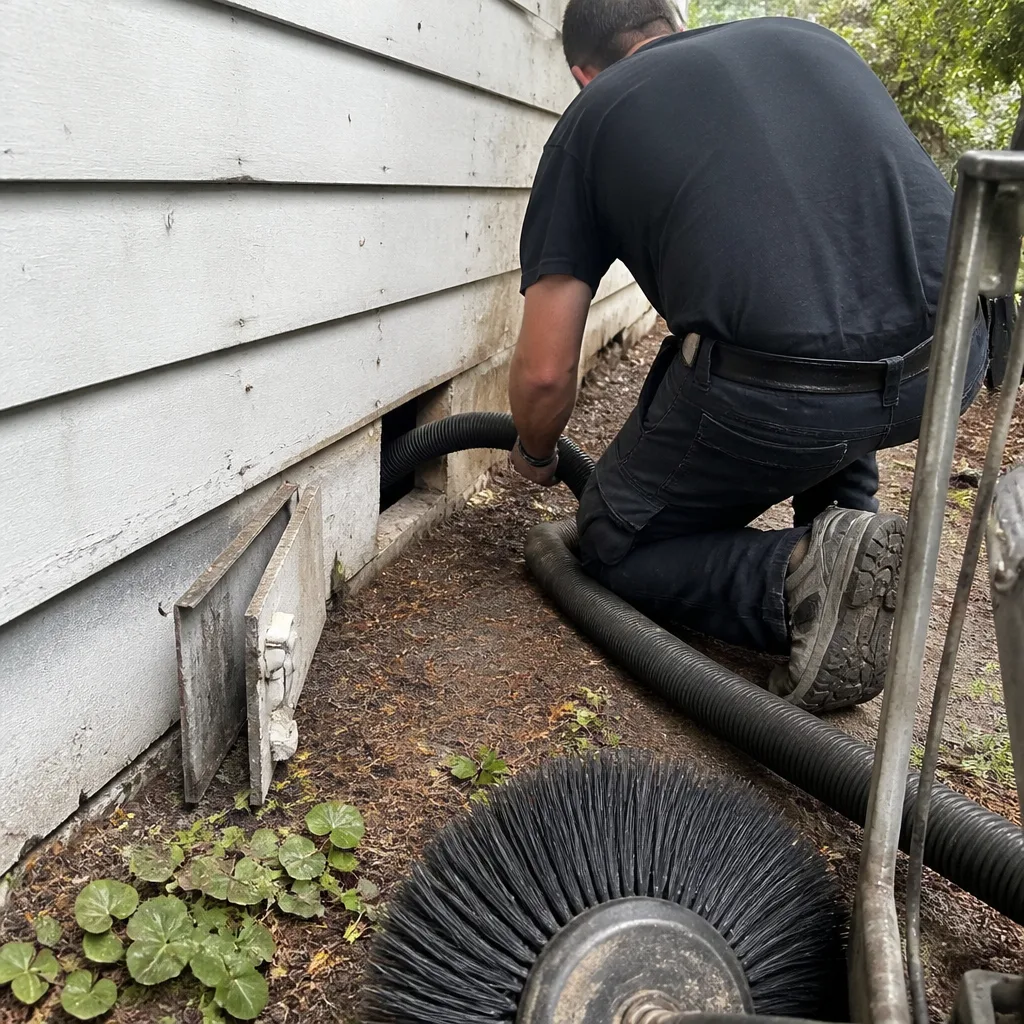 Before
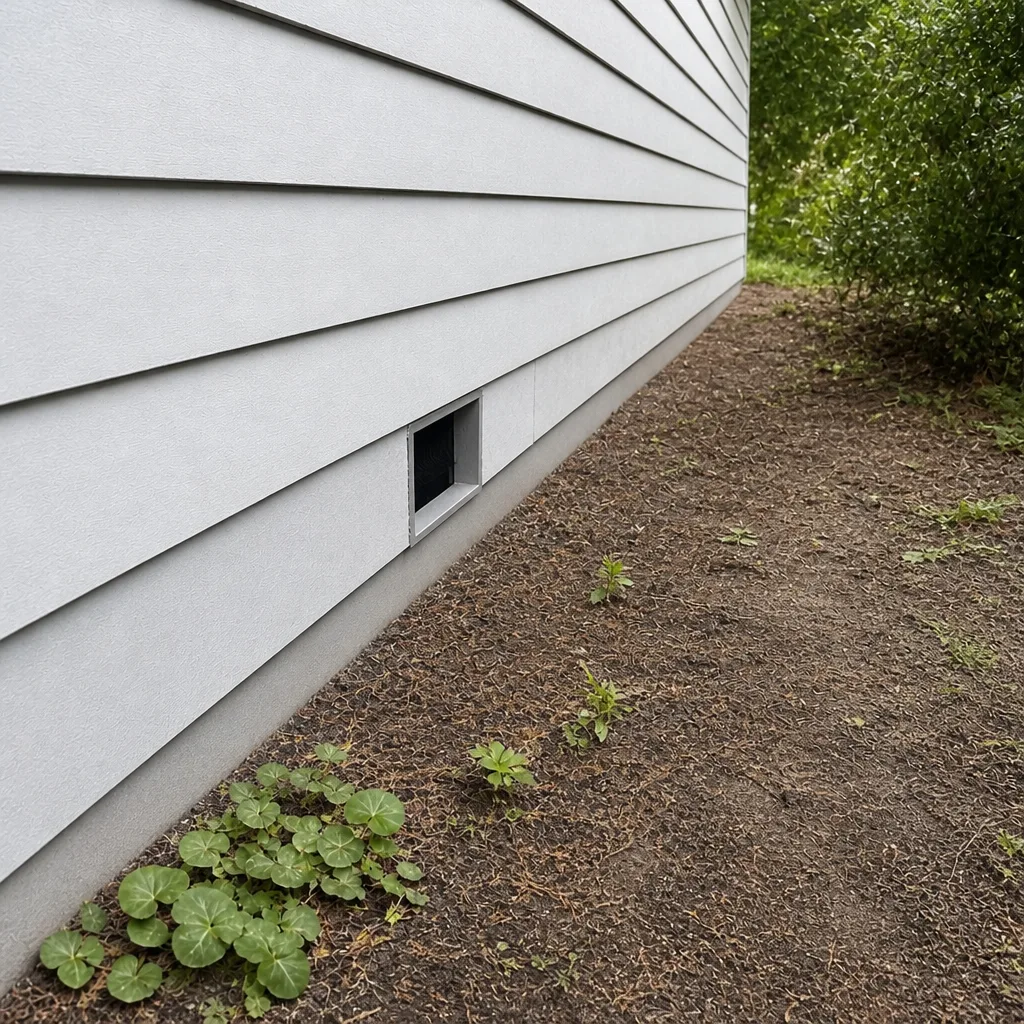 After
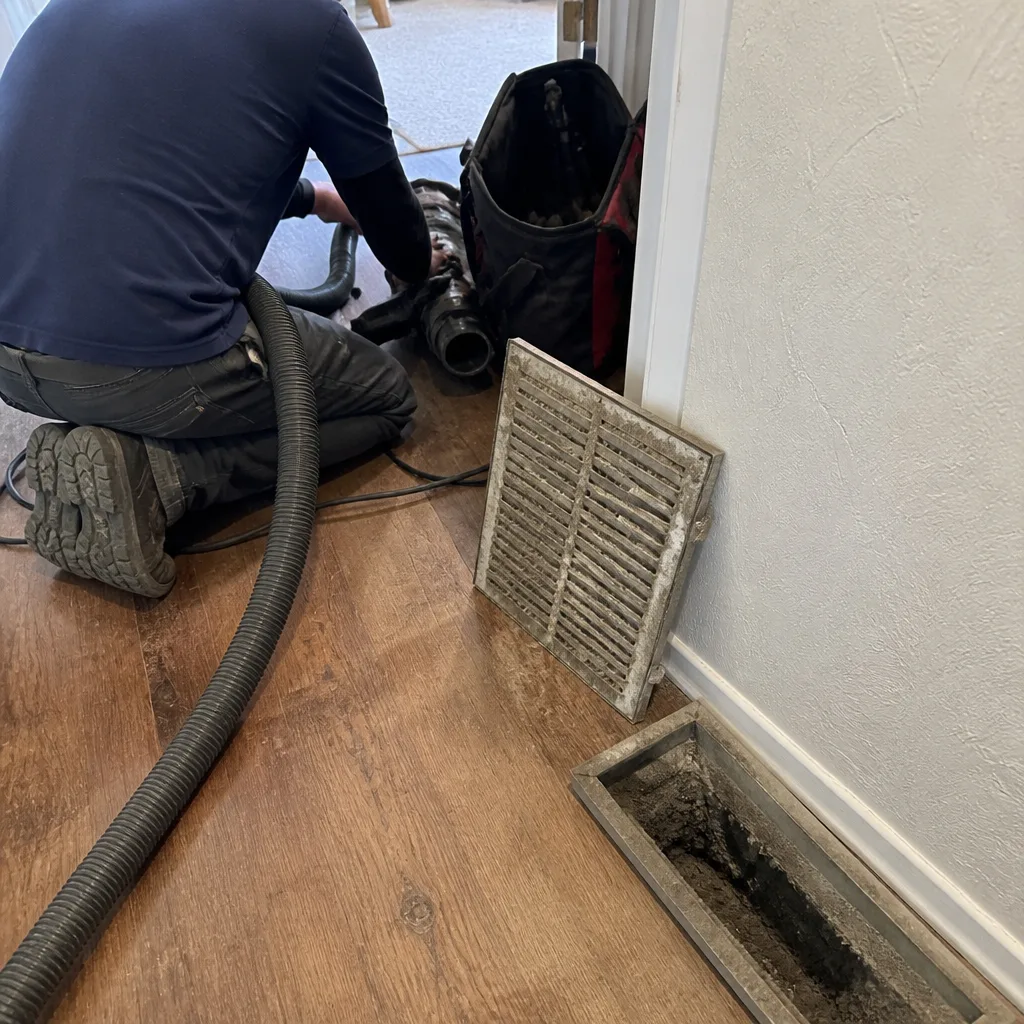 Before
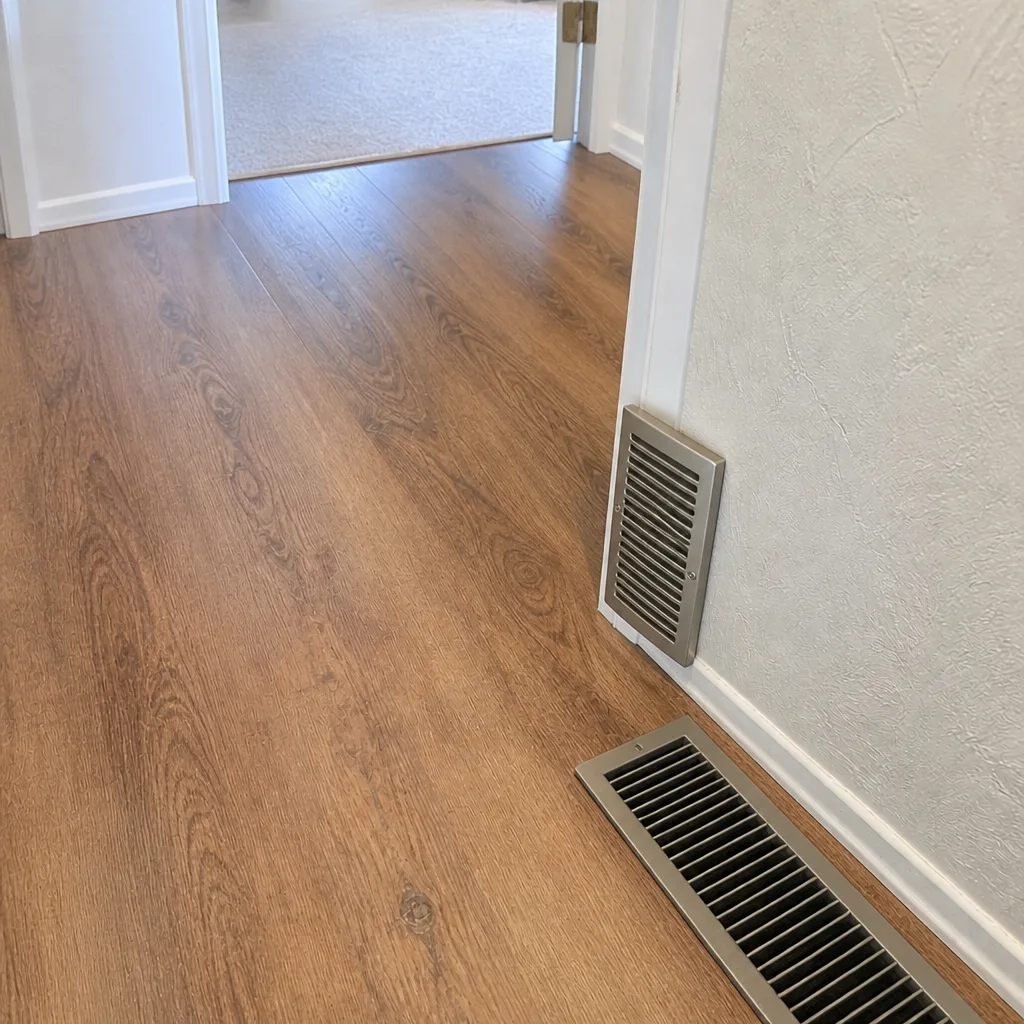 After
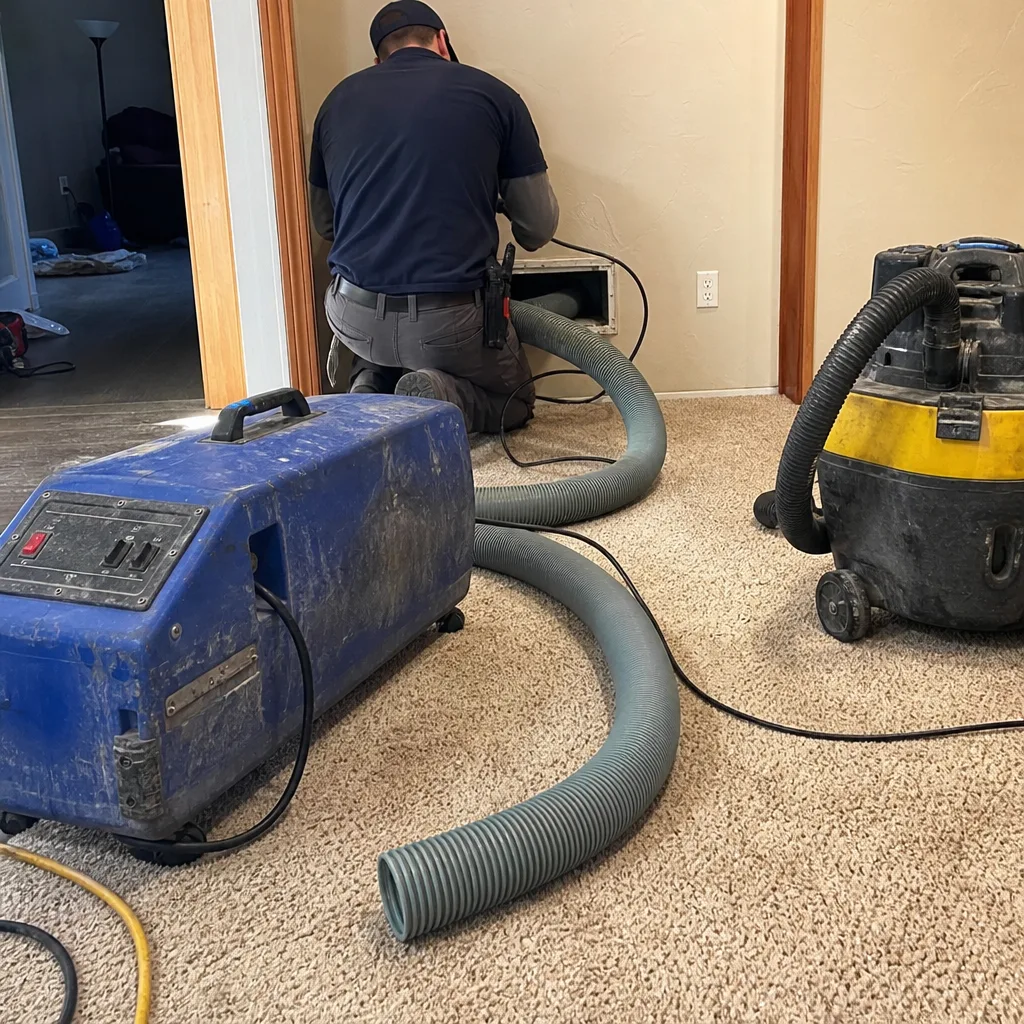 Before
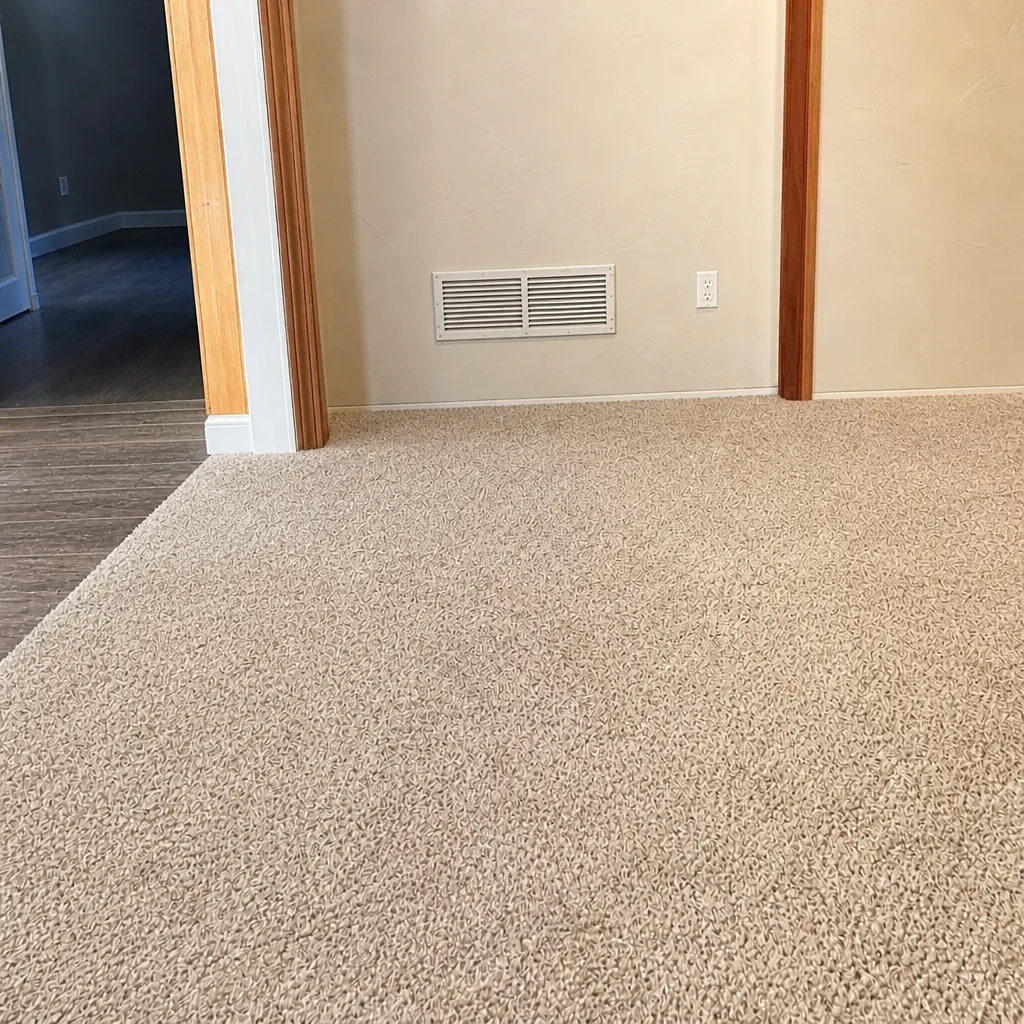 After
When to Call a Professional
Call for an assessment if water has reached your ductwork or your air handler, if you can smell smoke at the supply registers with the system running, if a filter is coming out visibly black or wet after a recent event, or if it’s been more than a few days since a water intrusion near the ducts. Call before running the system – the call comes first, the system comes second. If you’ve just bought a home or completed a renovation and don’t know the condition of the ducts, an inspection establishes a baseline you can compare against later. Englewood Air Duct Cleaning Pros offers free estimates in Englewood – call (877) 492-4041. We answer 24/7. Fast dispatch from 7am to 7pm, Sunday through Friday.
Frequently Asked Questions
Book the assessment as soon as the smoke clears if your system ran during the event, especially if it ran with an ordinary filter. The sooner the deposit is removed, the less it settles into the plenum and the air handler. If you can smell smoke at the registers, that’s the confirmation that cleaning should be scheduled now rather than put off. Call (877) 492-4041 for an exact quote – estimates are free.
We set one flat price per system, agreed in writing before work starts, so the number you’re quoted is the number you pay – not a per-vent price that grows once the technician is on-site. That’s the honest structure in a market where a low coupon price that becomes a much larger invoice is the pattern people worry about. We provide before-and-after photos of your own ducts so you can see what was actually removed. Call (877) 492-4041 for an exact quote – estimates are free.
Usually because the scope of work is different. A cheap quote often covers a surface pass through the visible branch ducts without an interior inspection, without HEPA filtration to contain dislodged contaminants during the job, and without addressing the plenum or the air handler – which are the surfaces that matter most after a smoke or water event. We use professional-grade Rotobrush and Nikro equipment with Abatement Technologies HEPA filtration on every job, and we scope the work to the contamination we actually find. Call (877) 492-4041 for an exact quote – estimates are free.
Ask for before-and-after photos of your own ducts, taken from the interior camera inspection. That’s the verification that a surface look at the registers can’t provide. We provide those on every job, and the written estimate sets the scope so you can compare the photos against the work that was quoted. Call (877) 492-4041 for an exact quote – estimates are free.
No. Running the system spreads moisture through the duct runs and the air handler, which is the opposite of what you want within the 48-72 hour window. Shut the system off at the breaker, stop the water source, and call for an assessment. A wet duct system that’s addressed within a day can often be cleaned, dried, and sanitized; one that’s been wet for longer may need mold remediation instead.
For a typical home, most professionals suggest a full-system cleaning every three to five years as routine maintenance, and more often if you have pets, allergies, a recent renovation, or a smoke or water event. Englewood’s wildfire smoke seasons can create a need for cleaning outside that schedule. The right interval is based on what an inspection actually finds, not a fixed calendar. Call (877) 492-4041 for an exact quote – estimates are free.
The Bottom Line
Duct emergencies in Englewood fall into two categories – smoke infiltration and water intrusion – and neither is solved by waiting and booking a routine cleaning. During a smoke event, shut the system down or upgrade the filter before running it; after a water event, shut the system off immediately and get an assessment inside the 48-72 hour window. Document everything before you clean. Keep spare filters, the air handler specs, and a pre-qualified contractor in your file so an emergency doesn’t catch you scrambling. The response sequence matters as much as the cleanup, and the assessment is what tells you which one you need.
Call (877) 492-4041 for a free estimate. We answer 24/7. Fast dispatch from 7am to 7pm, Sunday through Friday. One flat price per system, agreed before work starts, with before-and-after photos of your own ducts when the job is done. Every local pro we connect you with is licensed and insured as their state requires.
Written by the team at Englewood Air Duct Cleaning Pros.