
Last updated November 25, 2026
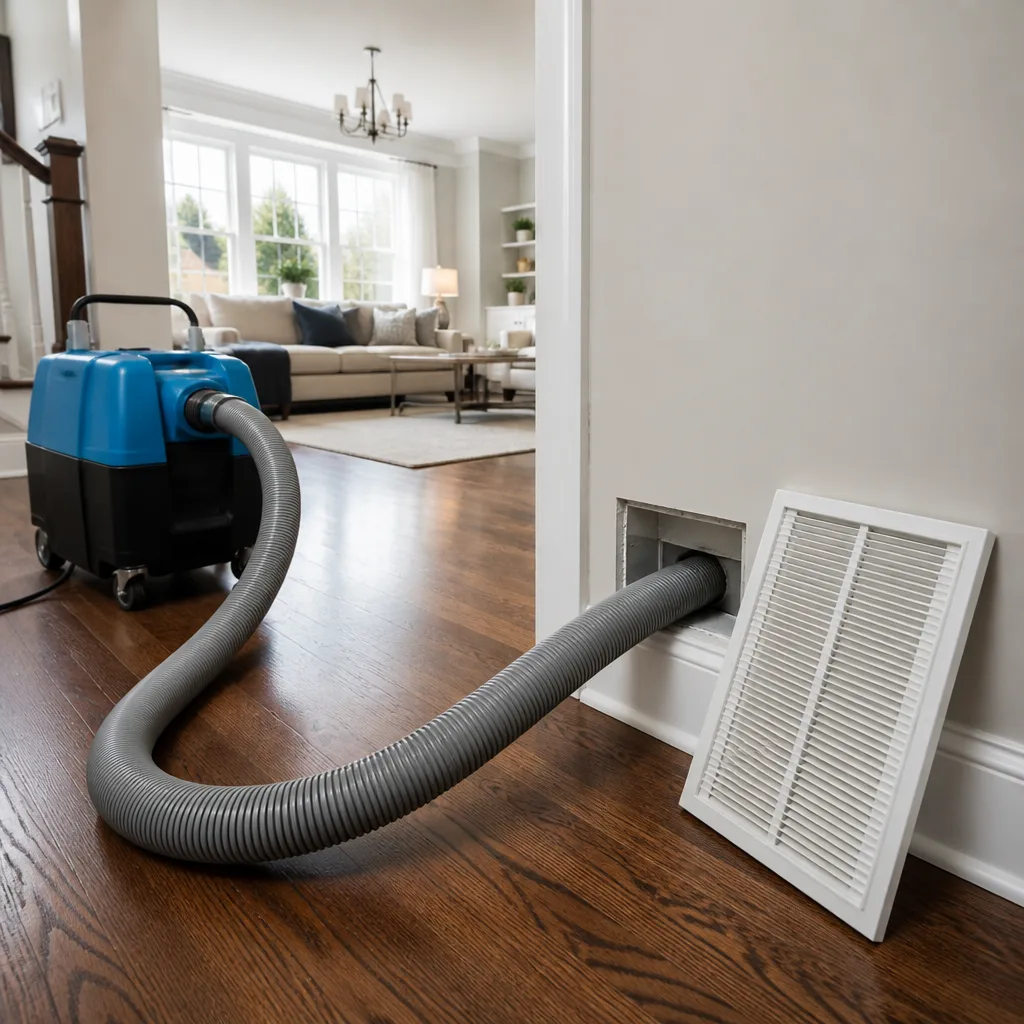 Whole-home duct cleaning
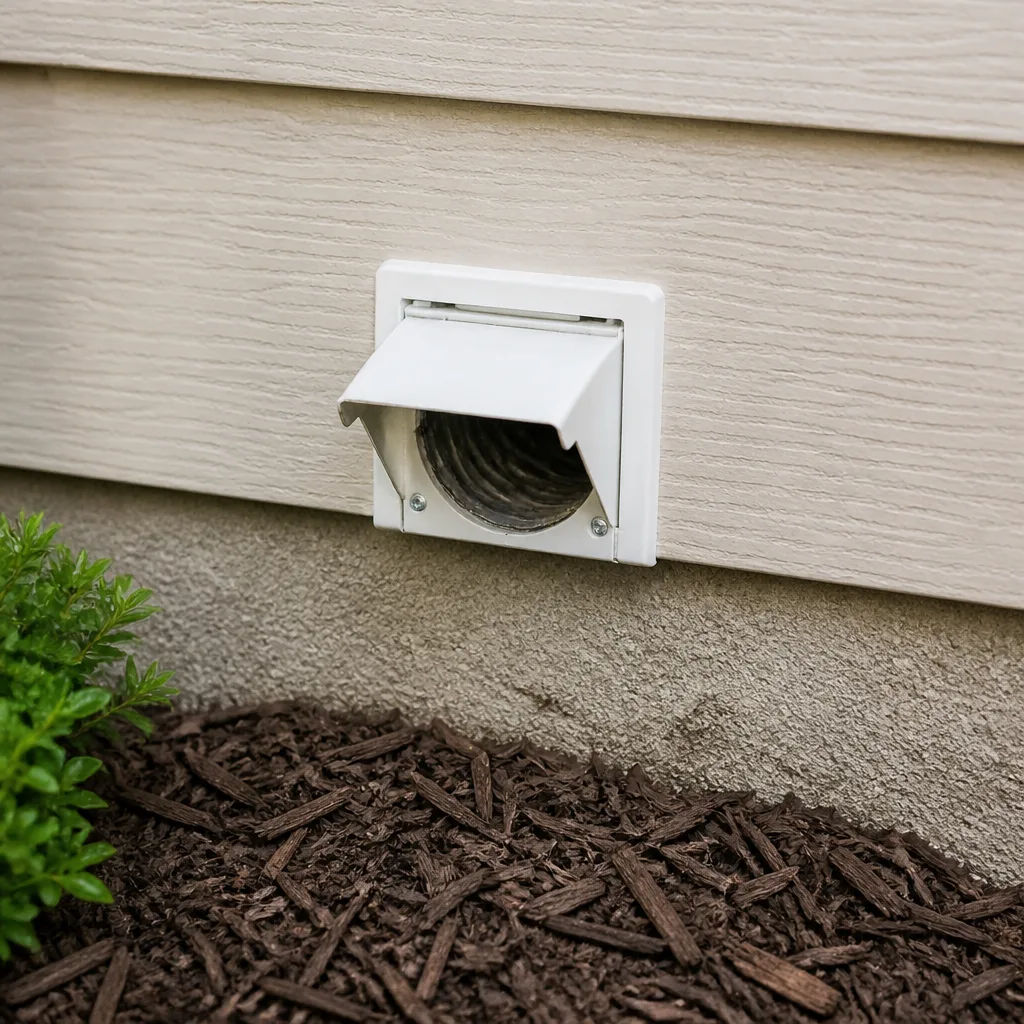 Dryer vent cleaning
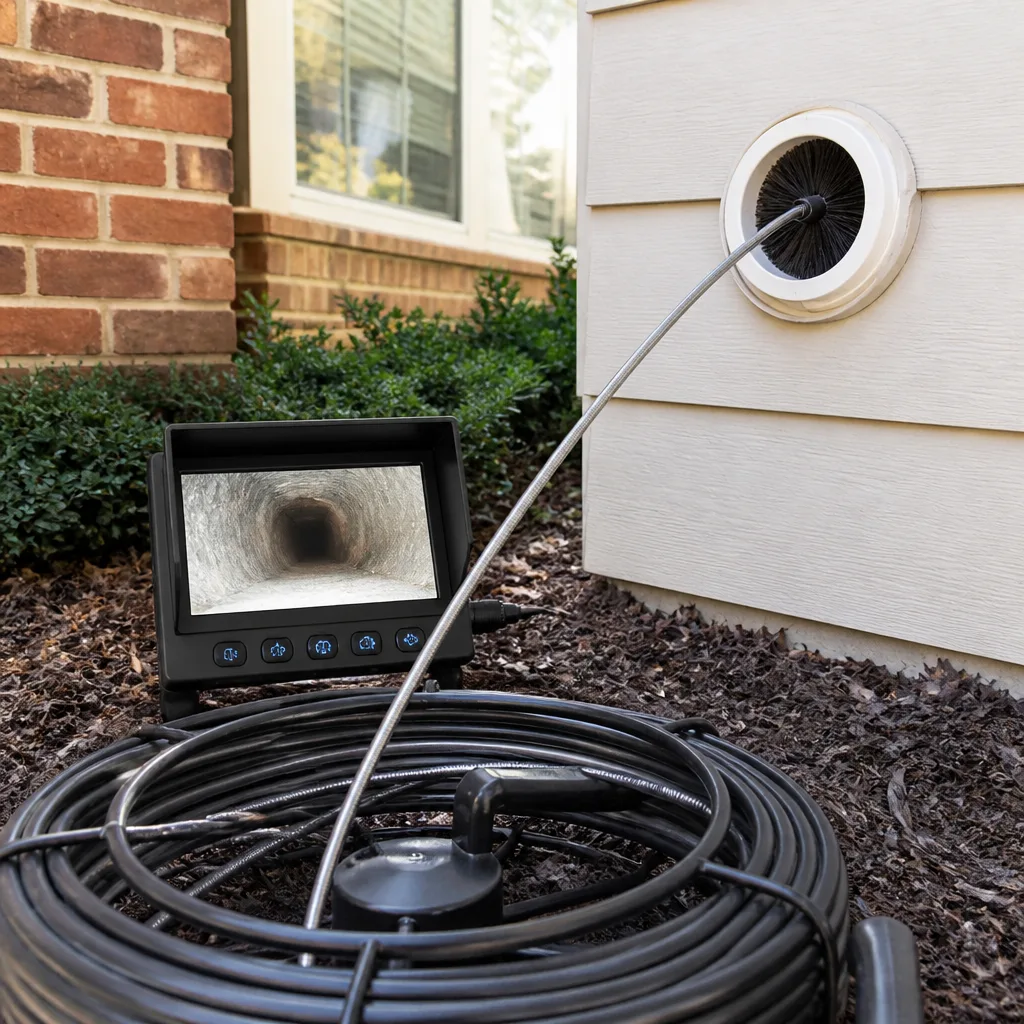 Camera inspection
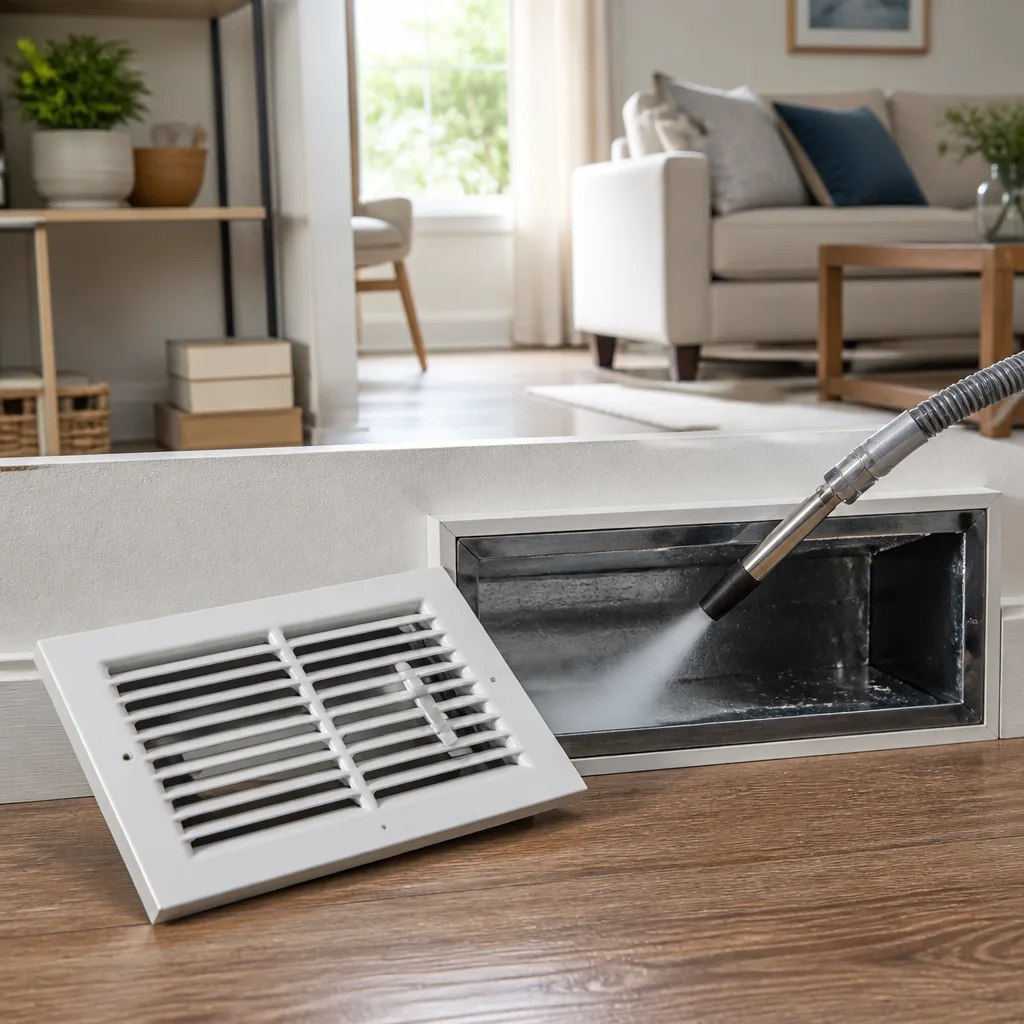 Sanitizing & deodorizing
Whole-system duct and dryer vent check with before-and-after photos - you see exactly what came out of your vents
That "$99 whole-house special" is a bait ad - the real number appears once they are in your hallway, or the "clean" is a shop-vac at the register. We photograph the inside of your ducts before and after instead.
How to Hire an Air Duct Cleaning Contractor in Englewood: A Step-by-Step Guide
Most homeowners in Englewood pick a duct cleaning contractor the same way they pick a restaurant: whoever shows up first with the best-looking ad. That’s the wrong instinct, and it’s what the industry counts on. The gap between a job that genuinely improves your indoor air and one that scatters dust through your house and bills you for the privilege isn’t technical know-how you need to acquire. It’s knowing which questions to ask before anyone touches your system. This guide walks through the vetting process step by step, from verifying credentials to structuring an agreement that protects you if the scope of work shifts mid-job. You’ll finish knowing exactly how to hire an air duct cleaning contractor in Englewood without getting talked into work you don’t need.
Quick Answer
To hire an air duct cleaning contractor in Englewood, verify the company’s equipment, ask for a written estimate with a defined scope, confirm they perform a real pre-service inspection before pricing, and insist on before-and-after documentation of your own ducts. A legitimate contractor agrees to one flat price per system before work starts and can explain what equipment they’ll use and why. Anyone who quotes a suspiciously low number up front, prices by the vent, or won’t put the scope in writing should not be hired.
Styles & brands we work with
- Whole-home duct cleaning
- Dryer vent cleaning
- Camera inspection
- Sanitizing & deodorizing
Table of Contents
- Why the Duct Cleaning Industry Has a Reputation Problem
- What NADCA Membership Actually Means (And How to Verify It)
- What a Legitimate Pre-Service Inspection Looks Like
- Questions That Reveal What Equipment a Company Uses
- Red Flags in Quotes and Pricing Structures
- How to Structure a Service Agreement That Protects You
- The Complete Pre-Booking Question Checklist
- Hiring a Contractor in Englewood: Local Context
Why the Duct Cleaning Industry Has a Reputation Problem
The EPA has publicly warned consumers about duct cleaning companies that advertise $49 to $99 specials as a foot-in-the-door tactic, then claim mold or contamination requiring hundreds or thousands of dollars in unneeded remediation once they’re inside the home. That warning still matters. It describes a business model, not a few bad actors, and it’s why the Federal Trade Commission has pursued enforcement actions against duct cleaning operations for deceptive advertising and bogus health claims.
Here’s the mechanism. A company wins the job on price. It arrives, walks the home briefly, and announces that the ducts contain mold, rodent droppings, or “toxic buildup” that the base price doesn’t cover. The homeowner is already committed to the appointment and now faces a decision made under pressure, with a technician standing in the living room. The upsell is where the company makes its money, and the low advertised price was never the real price at all.
Englewood homeowners are not immune to this. The Denver metro market has enough competition that aggressive pricing spreads across the region, and a homeowner searching for a duct cleaner in Englewood will see the same low-ball specials that appear everywhere else. The defense is not skepticism for its own sake. It’s a concrete vetting framework you apply before you book, so the pressure conversation never happens in your hallway.
What separates a legitimate contractor is structure. One flat price per system, agreed before any work starts. A written scope that names what will be cleaned and what won’t. Before-and-after photos of your own ducts, not stock images. And a company that performs duct repair and sealing alongside cleaning, because a contractor who can fix a leak has no incentive to invent one. That is how Englewood Air Duct Cleaning Pros is structured, and it’s a framework you should demand from anyone you hire.
What NADCA Membership Actually Means (And How to Verify It)
NADCA stands for the National Air Duct Cleaners Association, and its membership and certification programs are the closest thing the residential duct cleaning trade has to a professional standard. Membership signals that a company has agreed to follow a code of ethics and assessment standards for HVAC system cleaning. Certification is a step further: individual technicians can hold the Air Systems Cleaning Specialist (ASCS) credential, which requires passing an exam and staying current through continuing education.
What most homeowners get wrong is treating the claim as the finish line. Anyone can print “NADCA certified” on a website or a truck. The point of verification is to confirm the claim is real, and that takes about five minutes.
- Check the NADCA directory directly. The association maintains a searchable member directory on its website. Look up the company name and confirm the listing matches the business you’re considering.
- Ask whether membership is company-level or individual. A company can be a member while the technician who shows up holds no credential. Ask which specifically applies.
- Ask to see the ASCS certificate number for the technician assigned to your job. A legitimate operation supplies it without hesitation.
- Note the difference between “trained to NADCA standards” and “NADCA certified.” Both can be legitimate, but they are not the same claim, and a company should be able to tell you which one applies to them.
Membership matters because it correlates with method. NADCA’s assessment standard requires that a contractor inspect and document the condition of a system before quoting remediation, which is the opposite of the arrive-and-upsell model. Even if you don’t hire a member company, use the standard as your benchmark: a proper assessment comes first, a price comes second. For a broader look at what full-system cleaning involves, our air duct cleaning page walks through the process from intake to final verification.
What a Legitimate Pre-Service Inspection Looks Like
A real inspection is diagnostic. A sales pitch disguised as an inspection is theatrical. Learning to tell them apart is the single most useful skill in this guide, because the inspection is where the bait-and-switch gets set up.
Here’s what a legitimate assessment looks like. The technician inspects accessible ductwork, the air handler, the blower compartment, and the return side of the system. They open access panels rather than shining a flashlight into a floor register. They check for disconnected joints, crushed flex duct, and gaps at the plenum. They look at the filter and the coil. They may use a camera to inspect duct interiors. Then they tell you what condition the system is in, what cleaning will and won’t accomplish, and whether repair or sealing is needed. The price you get reflects what they found.
What a disguised pitch looks like is different. The “inspection” is a walk-through with a flashlight and a concerned expression. No panels come off. No duct interior is viewed. The conclusion arrives fast and always points the same direction: you have a serious contamination problem, and the base service won’t address it. A camera image appears, but it isn’t clearly from your system. The recommendation nearly always lands on a higher-priced package.
- A real inspection takes time and is quiet. A pitch is conversational and directional.
- A real inspection produces findings, not a verdict. “Your return ducts have visible debris and one joint is separated” is a finding. “Your air is toxic” is a verdict.
- A real inspection shows you the evidence in your own home. Ask to see what they see. A legitimate contractor will point the camera at your duct and let you look.
- A real inspection separates cleaning from remediation. Cleaning is routine. Remediation of actual contamination is a different scope with a different price, and it should be documented, not asserted.
When we assess a system in Englewood, the inspection determines the quote, not the other way around. If a system only needs cleaning, that’s what the estimate says. For homeowners who want to understand what a full HVAC system cleaning covers beyond the ducts themselves, our HVAC cleaning page explains the scope.
Questions That Reveal What Equipment a Company Uses
Equipment is the tell. A contractor with professional-grade machinery will describe it specifically and without prompting. A contractor with a shop vacuum and a long hose will get vague. Here are the questions that split the two, and what the answers should sound like.
“What vacuum system will you use on my ducts?” The answer should involve either a truck-mounted unit or a portable professional HEPA vacuum with enough suction to put the duct system under negative pressure while cleaning. Negative pressure is the whole point: it keeps dislodged debris from blowing back into your living space. A contractor who can’t explain negative pressure should not be hired. Companies using systems like Rotobrush or Nikro are working with equipment built for duct interiors rather than surface vacuuming.
“What happens to the dust you dislodge?” This is the question that separates careful operations from fast ones. Professional crews deploy HEPA filtration equipment on site so contaminants are captured rather than recirculated through the home during the cleaning. Abatement Technologies HEPA units are a common example of the equipment that does this work. If the answer is “it goes up the vacuum,” ask where the exhaust goes.
“What cleaning tools go inside the ducts?” Look for rotary brush systems, air whips, or cable-driven agitation tools that contact the duct walls. Suction alone removes loose debris but doesn’t dislodge what’s adhered. A company that relies on suction only is doing half the job.
“Do you use HEPA filtration during the job?” Yes is the answer you want. The follow-up is whether the HEPA unit runs for the duration of the work.
“What about the register covers and the blower compartment?” A complete job includes removing and cleaning register covers and cleaning the blower compartment and air handler surfaces where debris accumulates. If those aren’t mentioned, the scope is smaller than it should be.
Our technicians have up to 8 years of experience with professional equipment, and we use the same class of machinery as certified specialists. Ask every contractor these five questions before you book. The ones who answer specifically and in detail are the ones worth considering.
Red Flags in Quotes and Pricing Structures
The structure of a quote tells you almost everything about the company behind it. Here’s what should end the conversation.
- Per-vent pricing. A quote of a set amount per register encourages a contractor to count vents high and clean shallow. It also makes it impossible to know the real cost before the work begins. Legitimate pricing is one flat price per system, based on the size and condition of the system, not a per-opening tally.
- Vague scope language. “Full duct cleaning” with no detail about what gets cleaned, what equipment is used, or what’s excluded is a blank check. A real quote names the components: supply and return ducts, registers, blower compartment, air handler surfaces.
- Refusal to provide a written estimate. This is disqualifying on its own. If a company won’t put the price and scope in writing before the work starts, you have no protection against a larger invoice later.
- A price that only holds “today.” Urgency in the estimate is a pressure tactic. A legitimate contractor gives you a written estimate you can consider.
- No before-and-after documentation offered. If photos of your own system aren’t part of the deliverable, you have no way to verify the work happened.
- Health claims without assessment. A company that announces your ducts are making your family sick before they’ve inspected anything is selling fear, not service.
- No mention of repair capability. A contractor who cleans but can’t seal leaves the leaks that undermine everything the cleaning accomplished.
None of these are subtle, and that’s the point. The bait-and-switch model depends on homeowners not comparing structures, only numbers. Two quotes that look similar on the bottom line can be entirely different documents. Read the structure.
How to Structure a Service Agreement That Protects You
The estimate is where most homeowners stop. The agreement is what governs what happens if the job turns out to be bigger than expected, and in duct work it often is. A crushed flex run or a disconnected joint discovered mid-cleaning is not a scam. It’s a finding, and you need a process for handling it that doesn’t involve a technician standing in your hallway with a new number.
- Get the scope in writing before work starts. The agreement should name every component to be cleaned and every service included in the flat price: duct cleaning, register removal, blower compartment, air handler surfaces, and any sanitizing.
- Require a change-order process. If the contractor finds something requiring additional work, they stop, document it with photos, explain it, and provide a separate written estimate for your approval. Work resumes only after you approve. No verbal add-ons, no work performed before agreement.
- Specify before-and-after photos of your own ducts. Ask that the photos be provided to you, not just taken. That’s your verification record.
- Define what “sanitizing” means if it’s included. Air quality and sanitizing is a distinct service targeting biological contaminants that vacuuming alone doesn’t remove. It should be described as its own line in the agreement, not bundled vaguely into “cleaning.”
- Ask about the repair and sealing scope separately. If the inspection finds leaks or disconnected joints, the agreement should state whether repair is included in the flat price or quoted separately after inspection. Either is acceptable. Ambiguity is not.
- Confirm the price won’t change unless the scope changes. Get that sentence in writing. It’s the entire protection the agreement exists to provide.
- Note the payment terms and any deposit. A legitimate operation doesn’t demand full payment up front before any work is done.
For homeowners also scheduling other services, our dryer vent cleaning page covers a service that’s frequently neglected and frequently bundled with duct work because the same visit can handle both.
The Complete Pre-Booking Question Checklist
Print this list or save it to your phone. Ask every question before you book anyone.
- Are you a NADCA member, and can I verify it in the directory?
- Which technician will be assigned, and do they hold an ASCS certification?
- What equipment will you use for the ducts: truck-mounted, portable, or both?
- Will the system be under negative pressure during cleaning?
- Do you run HEPA filtration on site during the job?
- What exactly is included in the flat price, component by component?
- Is the price per system or per vent?
- Will you provide a written estimate before work starts?
- How do you handle additional findings mid-job? Is there a written change-order process?
- Will I receive before-and-after photos of my own ducts?
- Do you perform duct repair and sealing, or only cleaning?
- Is sanitizing a separate documented service, and is it included or quoted separately?
- How do you work with the HVAC and filtration equipment I already own?
- Do you have a satisfaction guarantee, and what does it cover?
Our technicians work on the systems homeowners already have, including Honeywell and Aprilaire filtration components and most major residential HVAC brands, so compatibility questions from Englewood homeowners are routine and answered plainly. A contractor who can’t answer questions 3, 4, and 5 in specific terms hasn’t earned the job. One who can answer all fourteen is worth a real conversation.
Hiring a Contractor in Englewood: Local Context
Englewood sits on the southwest edge of the Denver metro, and its housing stock shapes what duct work looks like here. The city has a mix of mid-century single-family homes alongside newer construction and a substantial rental market, and those two categories present very different duct systems. Older homes often have original sheet metal ductwork with joints that have loosened over the decades, which makes the repair and sealing half of the job more relevant than it would be in a newer build. Newer construction more often has flex duct runs, which can be crushed or kinked at bends and need inspection rather than assumption.
The local climate matters too. Colorado’s dry air doesn’t create the humidity-driven mold problems that coastal regions deal with, but summer cooling season runs the system hard, and heating season in Englewood is long enough that the blower compartment and air handler see real accumulation. Homes with pets and homes with young children are the two categories where we most often see the value of sanitizing as a documented service rather than a vague add-on. For a closer look at how those systems behave through the year, our team writes about seasonal maintenance in the Denver metro on the main site.
One practical note for Englewood homeowners in rentals or recently purchased properties: if you don’t own the home, get written permission from the property owner before authorizing any duct repair. If you’ve just closed on a property, a pre-move-in inspection is the right time to find out what condition the ductwork is in. And if your home is part of an HOA, confirm whether duct system changes, particularly any modification to exterior venting, require approval. Most cities require a permit for significant duct modifications, so ask Englewood’s building department before any structural change to the system.
Common Mistakes to Avoid
- Hiring on price alone. The lowest quote in Englewood usually reflects a smaller scope, not a better deal. Compare what’s included, not just the bottom line.
- Skipping the NADCA directory check. A website claim takes ten seconds to verify. Not verifying it is the same as accepting it without evidence.
- Accepting a verbal estimate. Without a written scope, you have no protection if the final invoice differs. A refusal to put it in writing is a reason to walk away.
- Letting the inspection double as the sales pitch. If the “assessment” is a flashlight walk-through followed immediately by a remediation package, you haven’t been inspected. You’ve been sold to.
- Assuming cleaning alone fixes the system. Leaky, disconnected, or crushed ducts undo the benefit of cleaning in a single cooling season. Ask about repair and sealing before you book.
- Forgetting to ask for your own before-and-after photos. Without documentation, you have no way to confirm the work was done in the ducts you can’t see.
- Overlooking the dryer vent. Dryer vent cleaning is a separate fire-safety service that many duct-only cleaners don’t offer. It’s frequently the more important of the two jobs.
See the difference
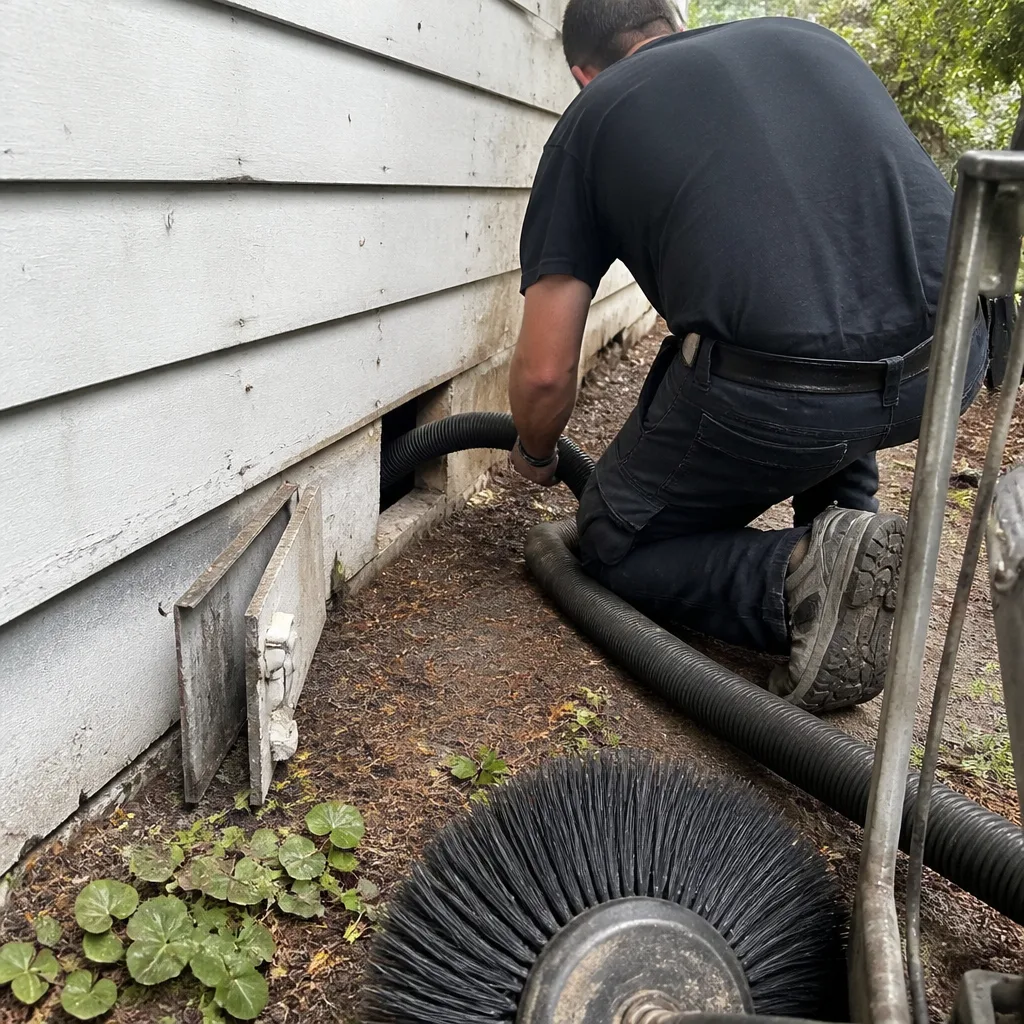 Before
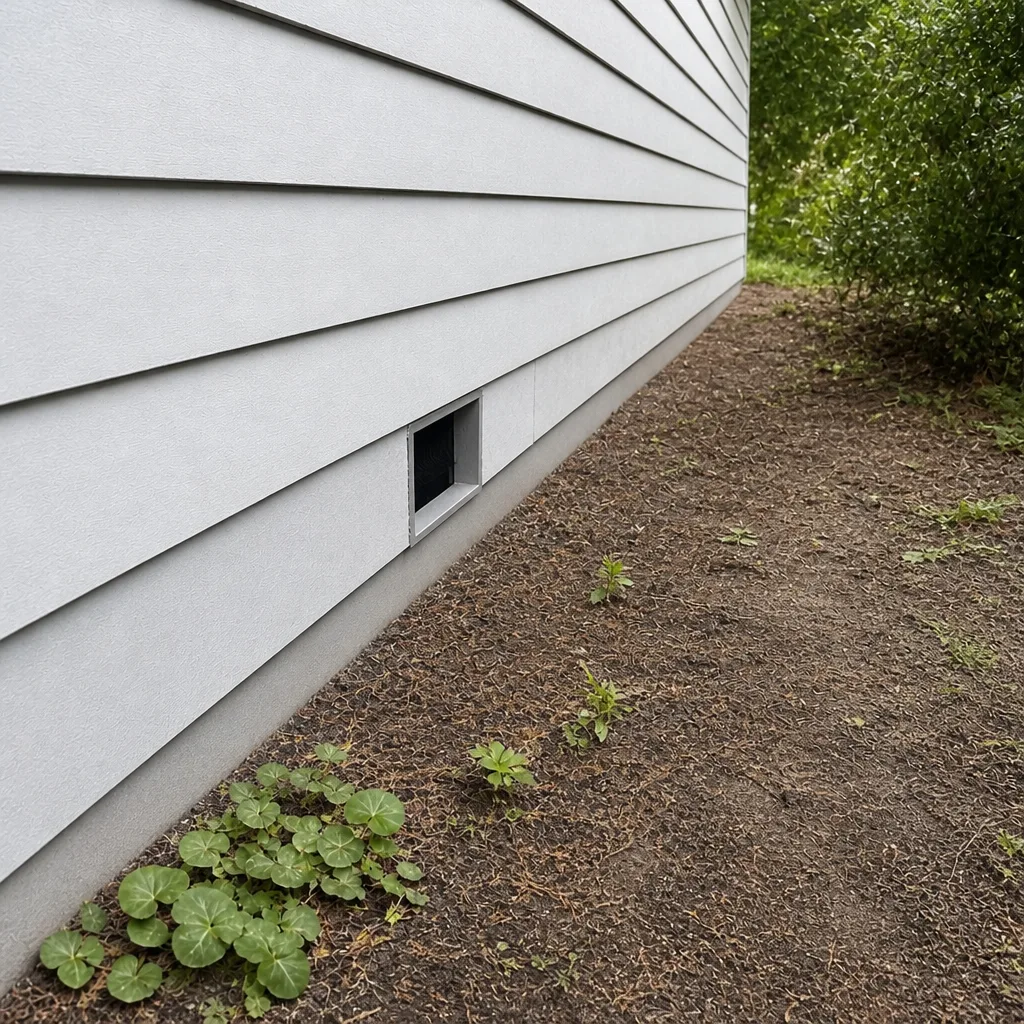 After
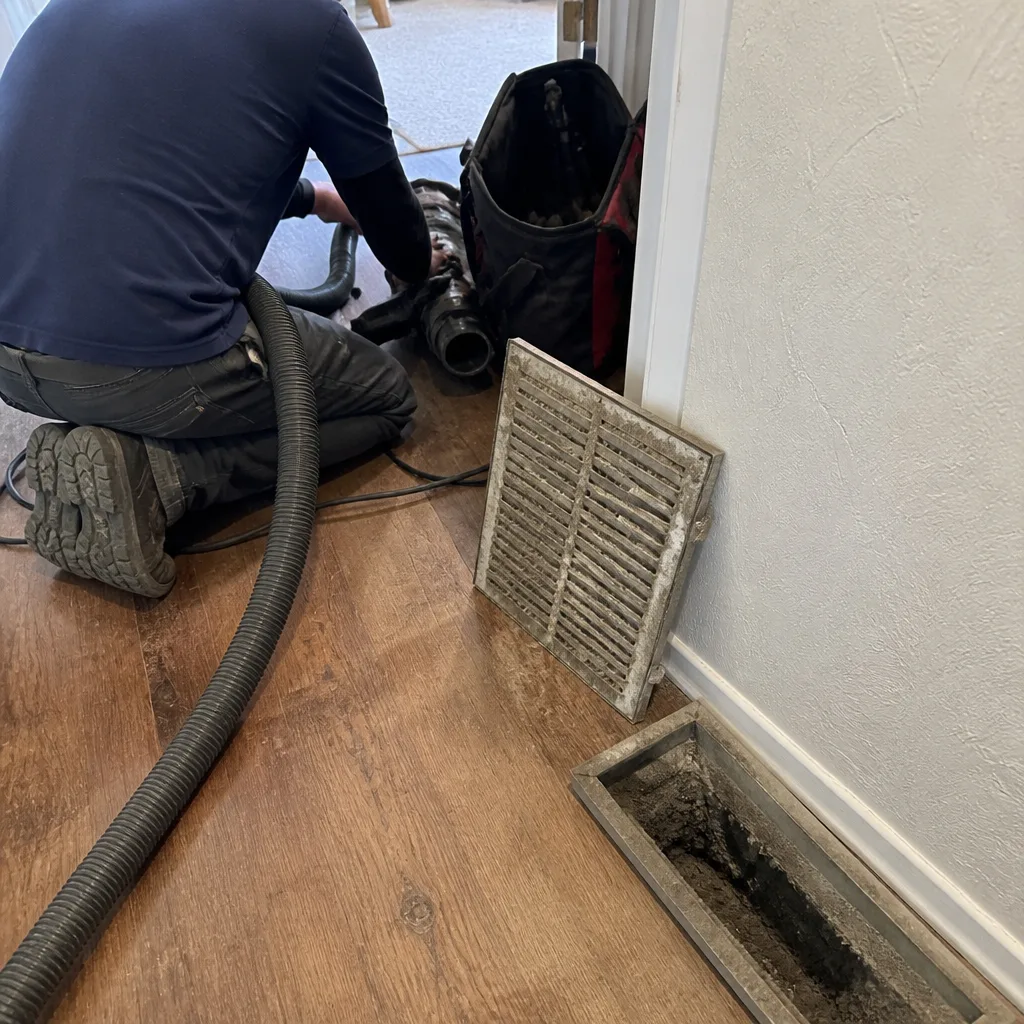 Before
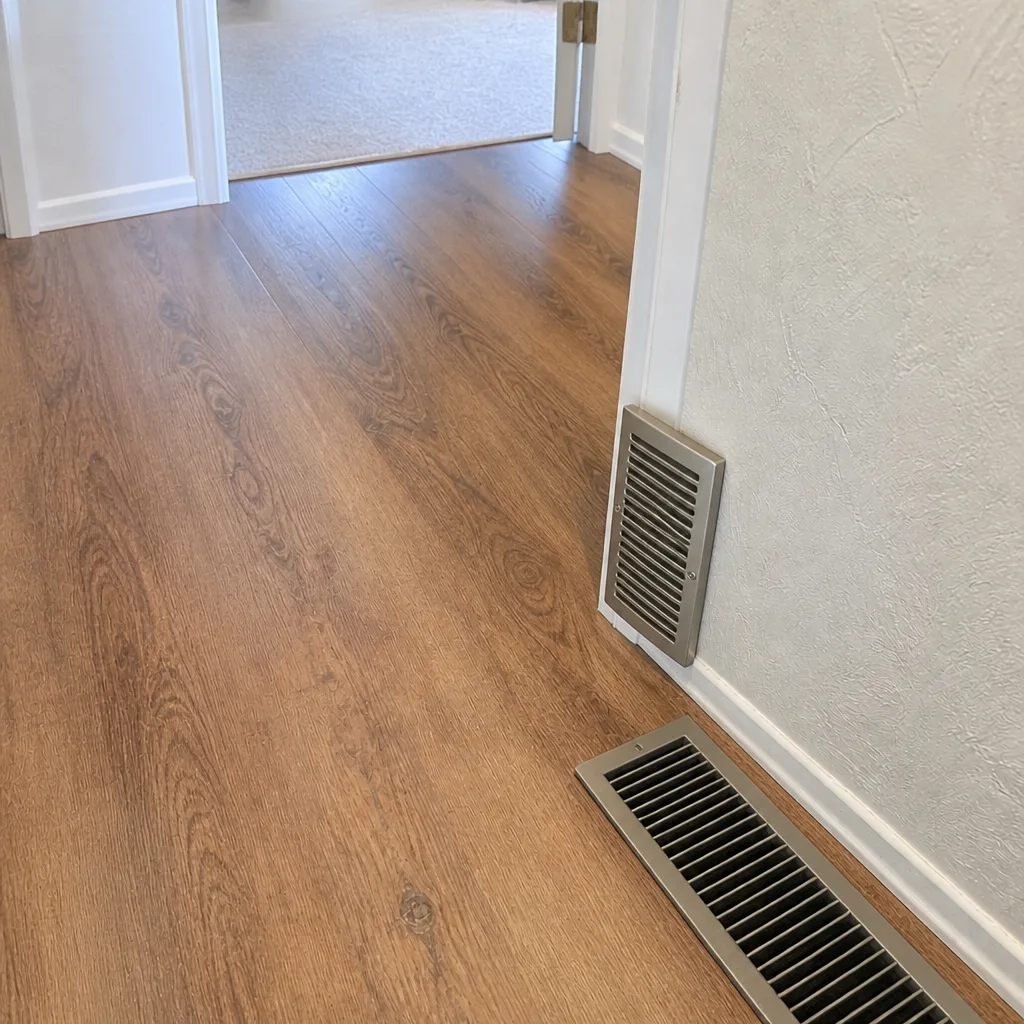 After
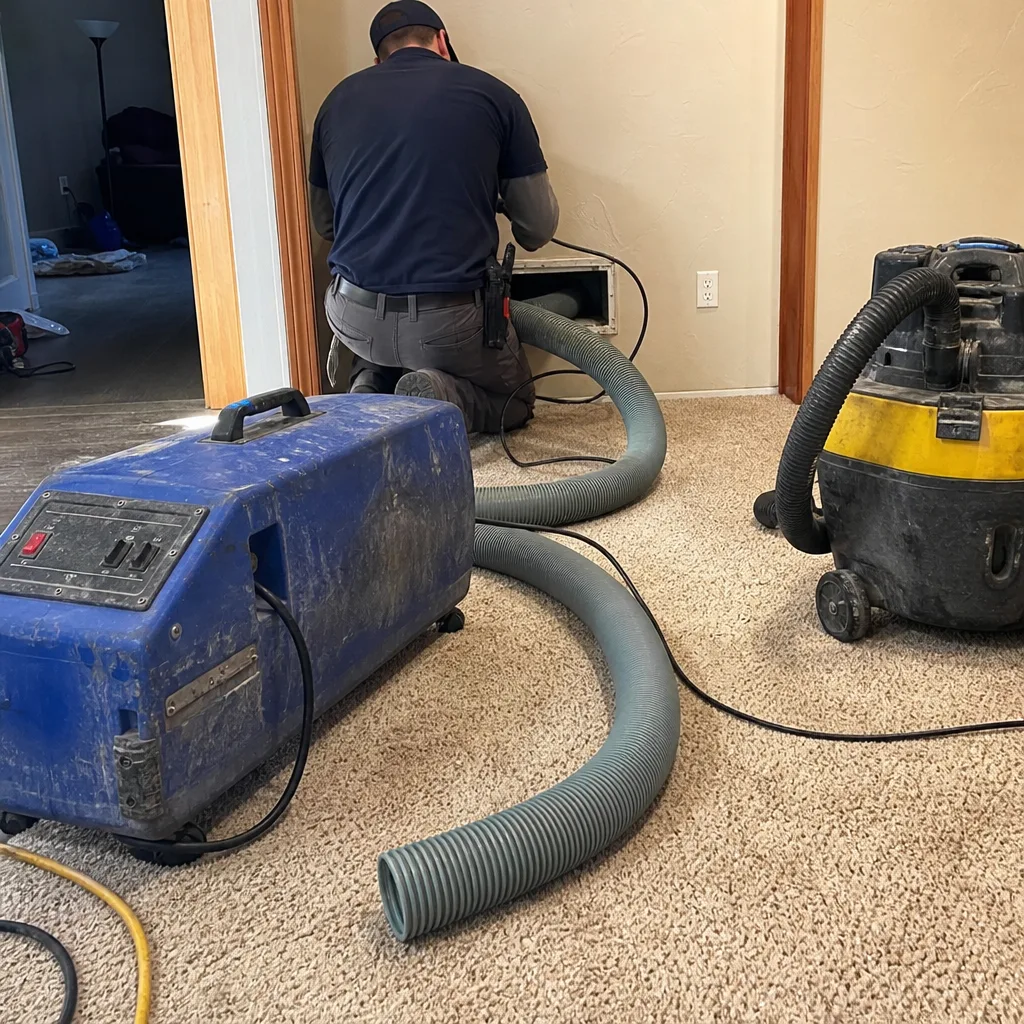 Before
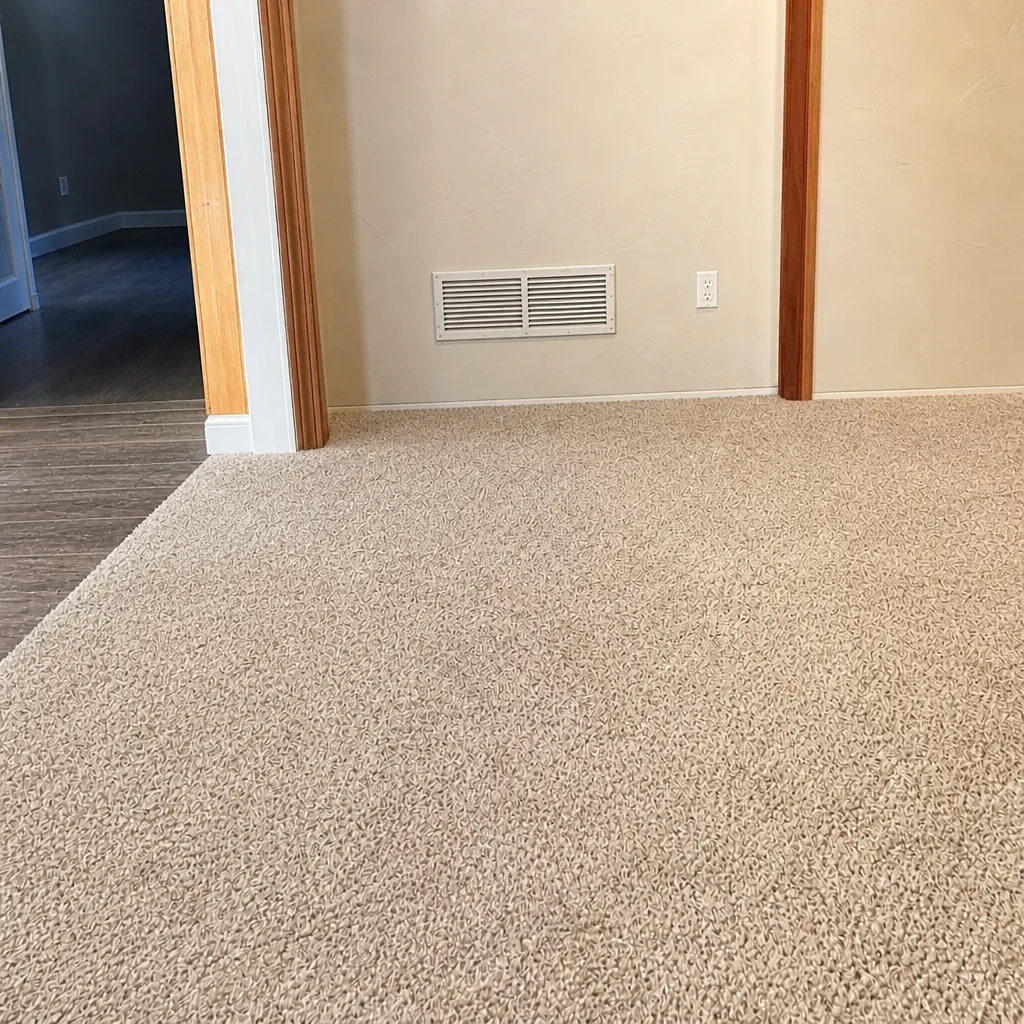 After
When to Call a Professional
There are specific situations where it’s worth picking up the phone today rather than adding it to a list. If you’ve recently purchased a home in Englewood and don’t know the duct history, a pre-move-in inspection tells you what you’re dealing with. If anyone in the household has worsening allergy or respiratory symptoms that track with time spent indoors, a full-system inspection is a reasonable next step. If you’ve had a renovation, recent construction sends drywall dust through the duct system and it needs professional extraction, not a shop vacuum. If your dryer takes two cycles to dry a load or the exterior vent flap doesn’t open fully, that’s a fire-safety issue and it doesn’t wait. Englewood Air Duct Cleaning Pros offers free estimates in Englewood. Call (877) 492-4041. We answer 24/7. Fast dispatch from 7am to 7pm, Sunday through Friday.
Frequently Asked Questions
Air duct cleaning in Englewood is quoted as one flat price per system, based on the size and condition of the system after inspection rather than a per-vent count. That structure is what keeps the price honest, because it removes the incentive to inflate the vent count or under-clean each opening. For an exact figure on your home, the estimate is free. Call (877) 492-4041. We answer 24/7. Fast dispatch from 7am to 7pm, Sunday through Friday.
Cheap quotes are usually cheap because the scope is smaller than you think, and the difference shows up later as an upsell. The EPA has warned specifically about $49 to $99 specials that become large remediation bills once the technician is inside the home. A quote that doesn’t specify equipment, components, and documentation is not a real quote. Call (877) 492-4041 for a written estimate that names the scope up front.
You know because you have before-and-after photos of your own ducts, not stock images. Ask for that documentation as part of the agreement, and ask for the photos to be sent to you. A contractor who does thorough work has no reason to withhold it. Call (877) 492-4041 to book an inspection that includes documentation.
Most homes don’t need duct cleaning on a fixed schedule. The right interval depends on the system, the household, and what inspection finds: pets, recent renovation, and smoking indoors all shorten the interval. The honest answer is that you clean when inspection shows it’s needed, not on a calendar a salesperson hands you. Call (877) 492-4041 for an assessment of your system’s actual condition.
No, but membership is a useful signal because it means the company has agreed to a code of ethics and assessment standards. What matters more is whether the company follows the standard, meaning a real inspection before a price, written scope, and documented results. Ask the questions in this guide regardless of membership status, and verify any membership claim in NADCA’s directory before you book. Call (877) 492-4041 with questions about how we scope a job.
Yes, and it’s usually the sensible way to schedule them. A dryer vent is a leading cause of residential fires, and it’s frequently ignored by contractors who only clean HVAC ducts. We clean both with the same thoroughness and can handle repair and sealing on the same visit. Call (877) 492-4041 to schedule both services together.
The Bottom Line
Hiring an air duct cleaning contractor in Englewood comes down to structure, not sales pitch. Verify the credentials you’re given, insist on a real inspection before a price, ask specific equipment questions, and require a written scope with one flat price per system and a change-order process for anything discovered mid-job. Demand before-and-after photos of your own ducts. The companies that welcome those requirements are the ones worth hiring, and the ones that resist them have told you everything you need to know. Compare structure, not numbers, and the bait-and-switch model loses its only advantage.
Get a Free Estimate in Englewood
If you’d rather skip the vetting and start with a contractor who already answers to all of it, we’re ready. Our technicians have up to 8 years of experience, we use professional equipment from Rotobrush and Nikro, and we run Abatement Technologies HEPA filtration on site so dislodged contaminants are captured rather than recirculated. We handle cleaning, HVAC cleaning, dryer vent cleaning, duct repair and sealing, and air quality sanitizing, all with one flat price per system agreed before work starts, before-and-after photos of your own ducts, and a satisfaction guarantee. Every local pro is licensed and insured as their state requires.
Call (877) 492-4041 for a free estimate. We answer 24/7. Fast dispatch from 7am to 7pm, Sunday through Friday, and we’re closed Saturday.
Written by the team at Englewood Air Duct Cleaning Pros.