
Last updated November 25, 2026
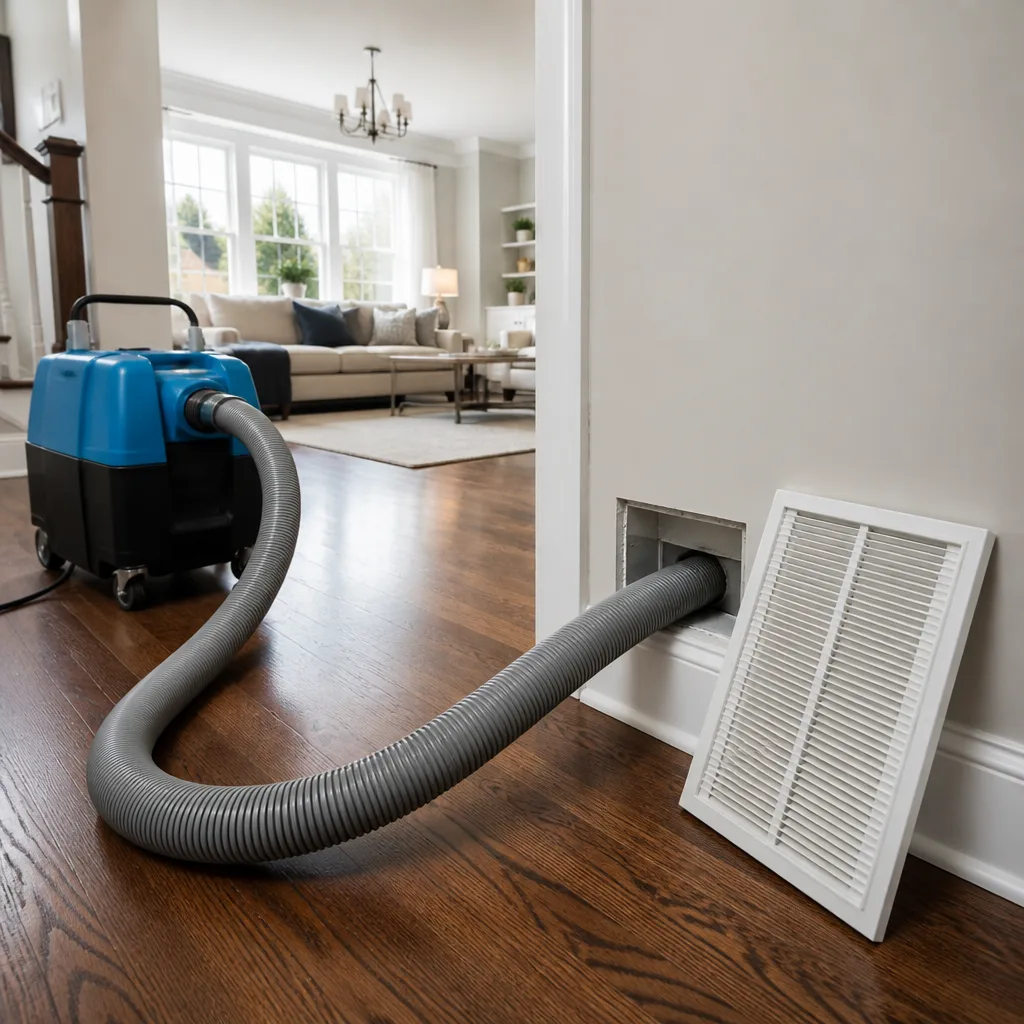 Whole-home duct cleaning
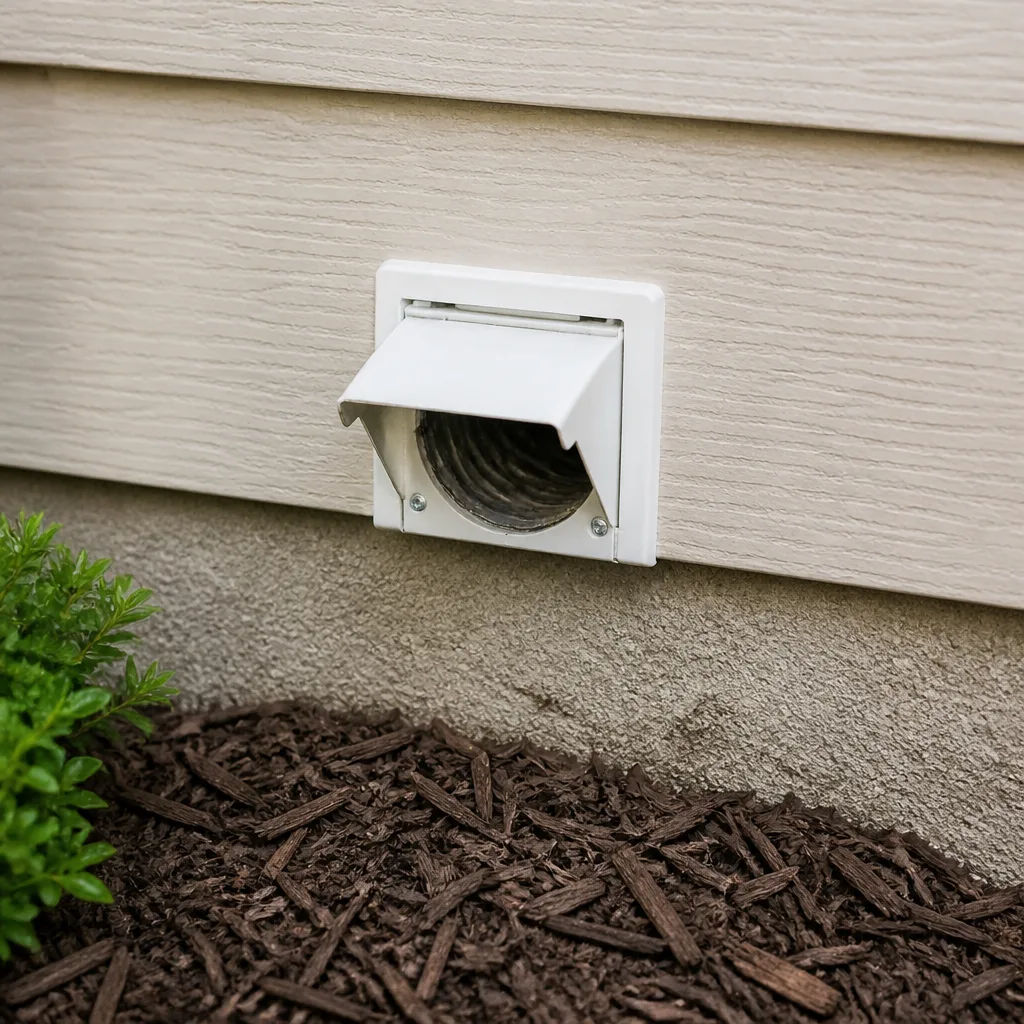 Dryer vent cleaning
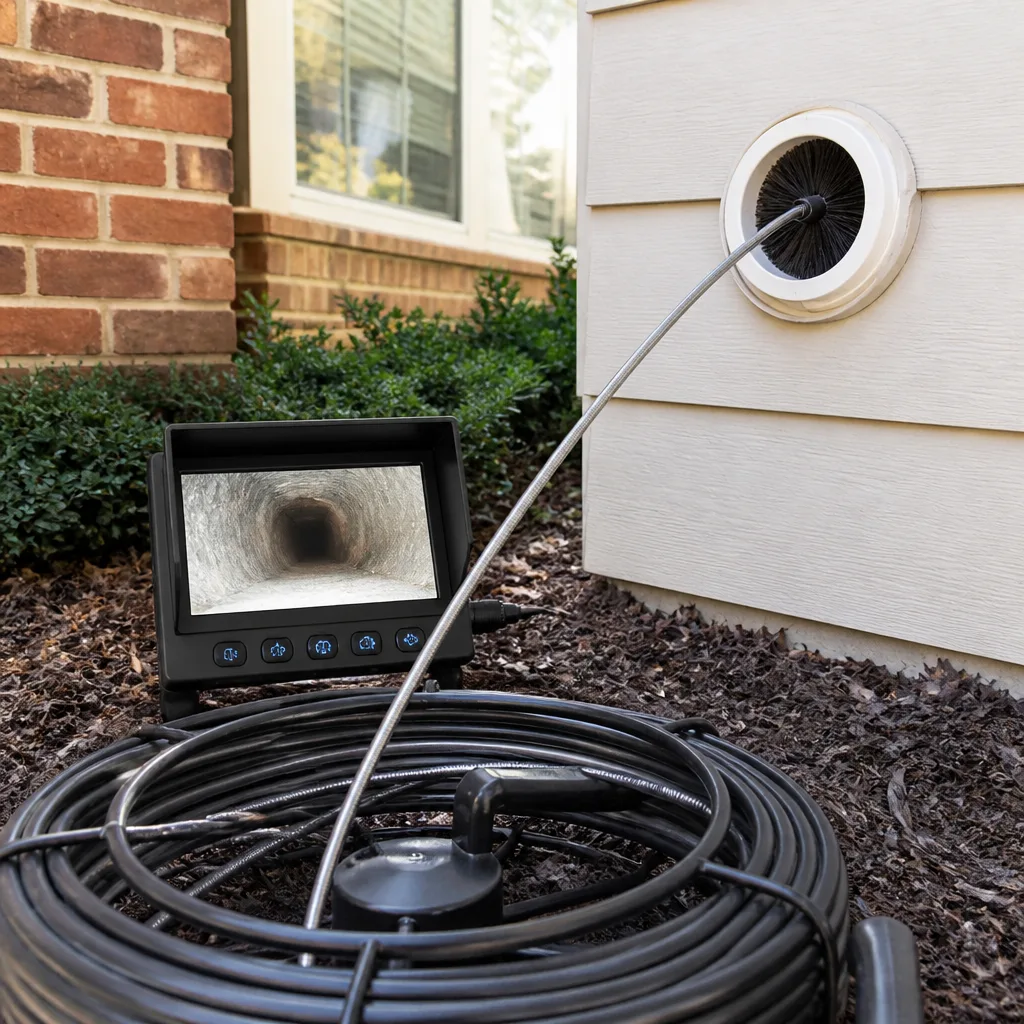 Camera inspection
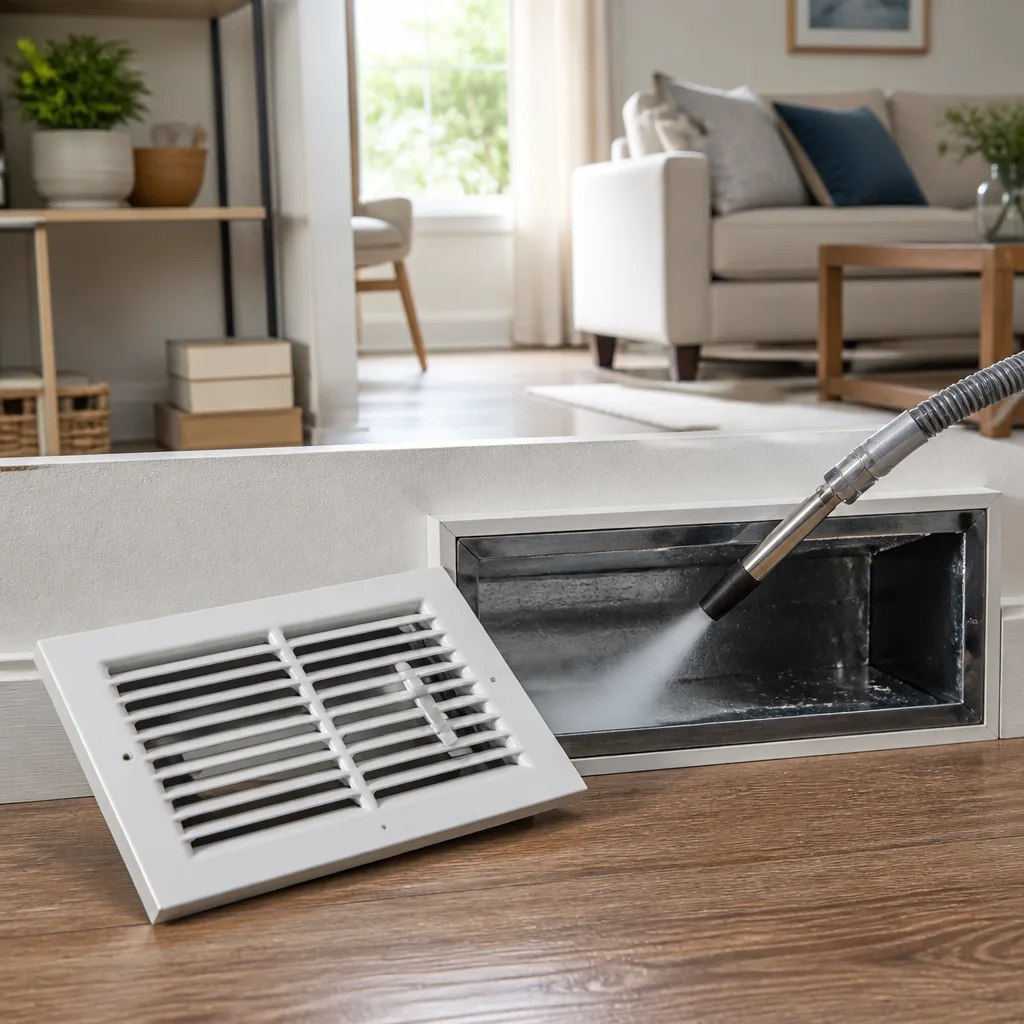 Sanitizing & deodorizing
Whole-system duct and dryer vent check with before-and-after photos - you see exactly what came out of your vents
That "$99 whole-house special" is a bait ad - the real number appears once they are in your hallway, or the "clean" is a shop-vac at the register. We photograph the inside of your ducts before and after instead.
Air Duct Cleaning Warning Signs: An Englewood Homeowner’s Reference Guide
Most duct problems announce themselves quietly, and almost nobody hears them. The dusty film on the coffee table gets blamed on the dog. The cold bedroom over the garage gets blamed on the furnace. The musty smell in the hallway gets blamed on a bathroom fan. In our experience, all three often trace back to the same place: the duct system. A single disconnected joint in a crawlspace can cut one room’s airflow by roughly 40% while quietly pulling unfiltered crawlspace air into the living space, and homeowners routinely spend a year adjusting vents and swapping filters before anyone looks at the ductwork. This guide walks through the visual, smell, and performance signals that separate a duct problem from an equipment problem, what each one points to upstream, and which signs mean schedule soon versus call now. It’s written for Englewood homes, because the housing stock here has its own patterns.
Quick Answer
You likely need air duct cleaning or duct repair if you notice visible dust streaming from registers, musty or stale odors that return after cleaning, rooms that stay hot or cold no matter how you adjust the vents, or a dust film that reappears within days of wiping. In Englewood, the strongest single indicator is a pattern rather than a one-off: symptoms tied to specific rooms or times of day, which usually point to a compromised section of ductwork rather than a failing furnace. Mold smell or rodent evidence moves the job from routine scheduling to urgent.
Styles & brands we work with
- Whole-home duct cleaning
- Dryer vent cleaning
- Camera inspection
- Sanitizing & deodorizing
Table of Contents
- Visual Warning Signs You Can See at the Register
- Olfactory Warning Signs: What Smells Tell You
- Performance Signs: Rooms That Never Feel Right
- Why Englewood Homes Built 1970 – 1995 Show More Duct Deterioration
- Reading Register Debris: What Each Type Tells You Upstream
- Allergy Symptom Patterns and Where They Point in the Ductwork
- Signs That Need Urgent Attention vs. Routine Scheduling
- What a Professional Duct Assessment Actually Involves
Visual Warning Signs You Can See at the Register
The register is the only part of your duct system most homeowners ever see, and it’s an honest reporter if you know what to look for. Before you assume a dusty vent means dirty ducts, understand that a thin, even film on the grille itself is normal and builds up over months. What matters is what’s happening behind it and how fast it returns.
Here’s what to actually check, and why each sign matters:
- Puffing dust when the system starts. A visible cloud at startup usually means debris has settled on the duct floor and gets kicked loose when airflow resumes. That’s a sign of internal accumulation, not a grille that needs a wipe.
- Dark streaking around the register edge. Air escaping around a poorly sealed boot pulls dust with it and stains the drywall or ceiling. Streaking typically means a leak at the connection, not just a dirty vent.
- Dust returning within days of cleaning a room. A surface that films over again in under a week is being fed from somewhere upstream. Look at the supply run serving that room.
- Visible debris on the register face after the blower has run. Flecks of insulation, drywall dust, or dark specks suggest material is breaking down inside the duct or being pulled in through a return leak.
- Grilles that are visibly loose or misaligned. A sagging register often means the boot behind it has separated, which is both an airflow problem and an entry point for attic or crawlspace air.
Any one of these on its own is worth a look. Two or more together, especially on the same branch of the system, is a strong signal to have the ductwork inspected rather than cleaned blind. In Englewood, we often find these signs concentrated in the rooms farthest from the furnace, because long runs lose the most pressure when a joint opens up.
Olfactory Warning Signs: What Smells Tell You
Your nose is a better diagnostic tool than most homeowners give it credit for. Odors travel the same path as air, so a smell that appears at specific registers tells you where the problem lives. The trick is distinguishing a duct odor from an HVAC equipment odor from a house odor.
Work through these distinctions:
- Musty, earthy, or “basement” smell at one or two registers. This usually points to moisture in or around that section of ductwork – often a run passing through a crawlspace or an unconditioned attic. Mustiness is a moisture signal first and a dirt signal second.
- Stale smell that returns within weeks of cleaning. If a professional cleaning doesn’t hold, the source is likely still active: a leak drawing in outdoor or crawlspace air, or a section of duct board that’s gotten damp.
- Dusty, chalky odor when the heat runs first time each season. A light smell at the start of heating season is normal dust burning off. A strong or persistent smell that doesn’t fade within a day is not.
- Smell that’s stronger in one room and fades as you move away. Odor concentrated at one register is a local duct issue, not a whole-house air quality problem. That’s useful – it narrows where to look.
- Dryer-like or lint smell near the laundry area. This is a separate system but worth flagging: a clogged dryer vent produces a distinct lint odor and is a fire risk independent of your HVAC ducts.
One caution worth stating plainly. A persistent chemical, burning, or electrical smell is not a duct cleaning issue. Shut the system down and have it looked at by an HVAC professional before running it again. Musty and stale smells are our territory; burning smells are a safety signal.
Performance Signs: Rooms That Never Feel Right
This is where the biggest misdiagnosis happens. When one room won’t heat or cool like the rest of the house, the furnace gets blamed. In our experience, an equipment problem tends to affect the whole house somewhat evenly, while a duct problem shows up as a room-by-room gap. That distinction matters because fixing the furnace won’t fix a leaky duct, and vice versa.
Here’s how to tell them apart:
- Map the house. Note which rooms feel wrong, at what time of day, and whether the gap is consistent or only during extreme weather. A duct problem usually produces a consistent, room-specific gap.
- Check the register airflow by hand. With the system running, feel the airflow at each supply. A register with noticeably weaker flow than its neighbors points to a specific run that’s restricted, disconnected, or leaking.
- Compare supply and return. If the return pulls strongly but supplies feel weak, the system is moving air but losing it through leaks or blockages downstream. That’s a duct diagnosis, not an equipment one.
- Listen for whistling or rattling. Whistling at a register usually means a restriction or an undersized opening; rattling can indicate a loose duct section or a damper that’s out of position.
- Watch for pressure symptoms elsewhere. A door that’s hard to close, or a room that feels “pressurized,” can indicate the return path is compromised and the system is pushing air it can’t balance.
If your furnace is cycling normally – no error codes, no short-cycling, consistent flame and blower behavior – but the rooms still won’t balance, the ductwork is the place to look. That’s especially true in Englewood homes where the equipment has been replaced but the original ducts were left in place.
Why Englewood Homes Built 1970 – 1995 Show More Duct Deterioration
Housing age is one of the most useful diagnostic clues in this trade, and Englewood’s building stock tells a specific story. Homes built roughly between 1970 and 1995 were commonly ducted with duct board and sealed with mastic and tape at the joints. Those materials have a service life, and many of them are now decades past it. The result is a cohort of Englewood homes with duct systems that are structurally compromised even though the furnace and air conditioner may have been replaced more than once.
What tends to fail in this age range:
- Mastic and tape at the joints. These sealants dry out, crack, and let go over time. A joint that was sealed at install can open enough to leak meaningfully, especially where the duct passes through a temperature swing.
- Duct board itself. The interior facing on older duct board can fray and shed, feeding fibrous debris into the airstream. Once the facing breaks down, cleaning alone won’t restore the duct – it needs repair.
- Flexible duct connections. Where flex duct connects to rigid trunk lines or boots, the inner liner can separate from the outer jacket, creating an internal collapse that chokes airflow to one run.
- Boot and register connections. These are often the first to fail because they’re flexed and moved over the years during flooring or remodeling work.
- Crawlspace and attic runs. Runs through unconditioned space are the most exposed to temperature swings and moisture, and degrade fastest.
None of this is a knock on Englewood builders – it’s simply what happens to these materials over a few decades. But it does mean that if your Englewood home falls in this age range, a duct inspection is worth more than a duct cleaning alone. The right fix is usually cleaning followed by sealing the compromised joints, and we handle both on the same visit. If you’re seeing the signs in this guide and your home fits the 1970 – 1995 window, it’s worth reading up on air duct cleaning as a starting point before you book anything.
Reading Register Debris: What Each Type Tells You Upstream
Not all debris is the same, and the type you find at a register is a fingerprint of what’s happening upstream. This is one of the most useful diagnostic skills a homeowner can learn, and almost nobody talks about it.
Here’s how to read what you’re seeing:
- Fine gray or black dust. Ordinary household dust and skin cells, plus lint. Uniform distribution across the register suggests normal accumulation and a cleaning is due. Concentrated in one register, it suggests a leak nearby pulling in dust.
- White or light-gray fibrous clumps. Insulation or duct board facing. Finding this at a register means material is breaking down inside the duct – not just accumulated dirt. Cleaning helps but repair is often needed.
- Drywall dust or construction grit. Almost always a leftover from remodeling, and often a sign that registers weren’t capped during the work. It settles in the duct floor and can stay there for years, feeding dust into the house.
- Pest debris – droppings, nesting material, or insect casings. This is an urgent signal. It means the duct has an entry point and needs inspection, cleaning, and typically sanitizing. This moves the timeline up.
- Dark speckling or staining on the register face that doesn’t wipe off. Often a sign of moisture or biological growth. If you can’t tell the difference between dirt and growth, treat it as growth until a professional says otherwise.
- Pet hair concentrated in one return. A return near a pet’s favorite spot doing its job, but it also signals a return that’s probably overdue for cleaning.
The pattern matters as much as the material. If every register shows the same fine gray dust, the whole system likely needs cleaning. If one register shows fibrous material or pest debris, that section needs individual attention – a systemic cleaning alone will miss the source.
Allergy Symptom Patterns and Where They Point in the Ductwork
Allergy symptoms are a symptom, not a diagnosis, but their pattern is genuinely useful. The timing and location of symptoms often mirror the structure of the duct system, which is why we ask a lot of questions about when and where people feel the worst before we ever open a register.
The patterns worth noting:
- Symptoms worst in the morning, before the house has been occupied long. This is often a supply-side issue in bedrooms – the air reaching you overnight is coming from a specific set of ducts, and if those are contaminated, the symptoms concentrate there.
- Symptoms that spike within an hour of the system starting. That’s the burst-of-dust pattern. Debris settled in the ducts gets kicked into circulation when airflow resumes. If the symptoms correlate with the system cycling, that’s a strong duct hint.
- Symptoms tied to specific rooms. If one child’s room consistently triggers symptoms and another doesn’t, look at the individual supply runs. Room-specific symptoms usually mean room-specific duct issues.
- Symptoms that improve when away from home for several days. This is the strongest single pointer toward an indoor air source, and ducts are a common one.
- Seasonal spikes that don’t match pollen. If symptoms flare when the system first switches from heating to cooling or vice versa, that’s the first-run dust pattern rather than a pollen calendar.
We’re not doctors and we don’t diagnose health conditions – if you have concerns about allergy symptoms, the right call is always your physician. But from an air quality standpoint, the time-of-day and room-specific patterns above are worth keeping a short log of. A simple note of “worst in the master bedroom, worst in the morning, worse in heating season” is enough to point a technician toward the right section of ductwork.
Signs That Need Urgent Attention vs. Routine Scheduling
Most duct issues are a “schedule it soon” category, not an emergency. But a small set of signs move the timeline up because they indicate an active problem getting worse. Here’s how we sort them.
Call now – these indicate active contamination or a safety concern:
- Mold indicators. Visible dark growth, a persistent musty smell that returns quickly, or moisture staining on the register face. Mold needs to be confirmed and addressed – it doesn’t resolve on its own and usually means there’s a moisture source feeding it.
- Rodent intrusion evidence. Droppings, nesting material, gnaw marks on flex duct, or an obvious entry point. Rodents inside ductwork are a contamination and safety issue, not a cleaning convenience.
- Visible dust puffs at startup combined with symptoms. When a strong visual sign meets a health-symptom pattern, that combination merits prompt attention.
- Duct collapse or a fully separated run. If a register has no airflow at all and you can see the connection has failed, that section is dumping air into the attic or crawlspace. It needs repair, not just cleaning.
Schedule soon – these indicate a cleaning and inspection are due:
- Dust returning to surfaces within a week.
- Consistent room-by-room temperature gaps.
- A stale smell that comes back after a previous cleaning.
- Recent remodeling without register protection.
- A pet household with heavy shedding in a return.
Watch and monitor – these are typically normal:
- A light film on register grilles.
- A faint dusty smell the first time heat runs each season.
- Normal airflow differences between rooms in a two-story house.
If you’re in the crawlspace-and-attic run category in an older Englewood home, remember that flex runs through unconditioned space are the most likely to fail quietly. Those are worth inspecting even without obvious symptoms.
What a Professional Duct Assessment Actually Involves
If you’ve never had your ductwork inspected, the process is more involved than most homeowners expect. That’s a good thing – it means the assessment is genuinely looking at the system, not just pointing a vacuum at a register. Here’s what a proper assessment should include.
- A visual walk of every accessible run. Every supply and return, including runs through the attic and crawlspace where possible. This is where most of the important findings come from.
- A check of joint integrity and sealing. The technician should actually look at the connections, not just the registers, and note any that are separated, unsealed, or degraded.
- An airflow check at the registers. Measurement against expectations confirms whether a run is underperforming and where.
- A look at the blower and evaporator coil area. Duct cleanliness is partly a function of what’s happening at the air handler. A dirty coil and a dirty duct are often the same problem. This is where HVAC cleaning complements duct cleaning.
- Documentation. Photos before and after, a written note of what was found, and a written estimate for any repair. A thorough assessment should leave you with a document, not a verbal impression.
- A clear recommendation. Cleaning alone, cleaning plus sealing, sanitizing, or just monitoring. The right answer isn’t always the biggest one, and a good technician will tell you when it isn’t.
One thing that makes a real difference in the assessment itself: containing what the inspection dislodges. Abatement Technologies HEPA filtration is designed to capture contaminants during the cleaning process rather than recirculating them into the home, and the difference is noticeable during the job. We use that equipment alongside Rotobrush and Nikro professional duct cleaning systems – the same grade of equipment used by certified specialists – because consumer and big-box-grade tools don’t reach the interior duct surfaces that matter. If your ducts are damp, damaged, or visibly contaminated, we can often seal compromised joints and clearly compromised runs on the same visit rather than leaving you to schedule a second appointment.
Common Mistakes to Avoid
- Blaming dust on housekeeping. A high-efficiency filter and a weekly vacuum won’t fix a leaking duct or a disconnected run, no matter how often you clean. If dust returns within days, look at the ducts.
- Replacing the furnace to fix a room-by-room temperature gap. New equipment on old ductwork wastes the upgrade. If the gap is room-specific, have the ducts assessed before you spend on a new furnace.
- Skipping the crawlspace and attic inspection. In Englewood homes, the runs through unconditioned space are the most likely to have failed and the least likely to be checked. A cleaning that doesn’t include them misses the source.
- Cleaning without sealing. A duct cleaning that doesn’t address separated joints is a partial fix. The leaks re-contaminate the system, and the room-level performance problem remains.
- Ignoring a musty smell after a cleaning. If the smell returns quickly, the source wasn’t’ addressed. That’s a signal to have the system re-inspected for moisture or a leak rather than cleaned again.
- Treating a low-bid, per-vent price as the whole job. A per-vent teaser typically becomes a much larger invoice once the technician is on site. Ask for a whole-system quote in writing before work begins.
- Forgetting the dryer vent entirely. It’s a separate system but a leading cause of residential fires, and many duct cleaners don’t touch it. It deserves the same attention as your HVAC ducts.
See the difference
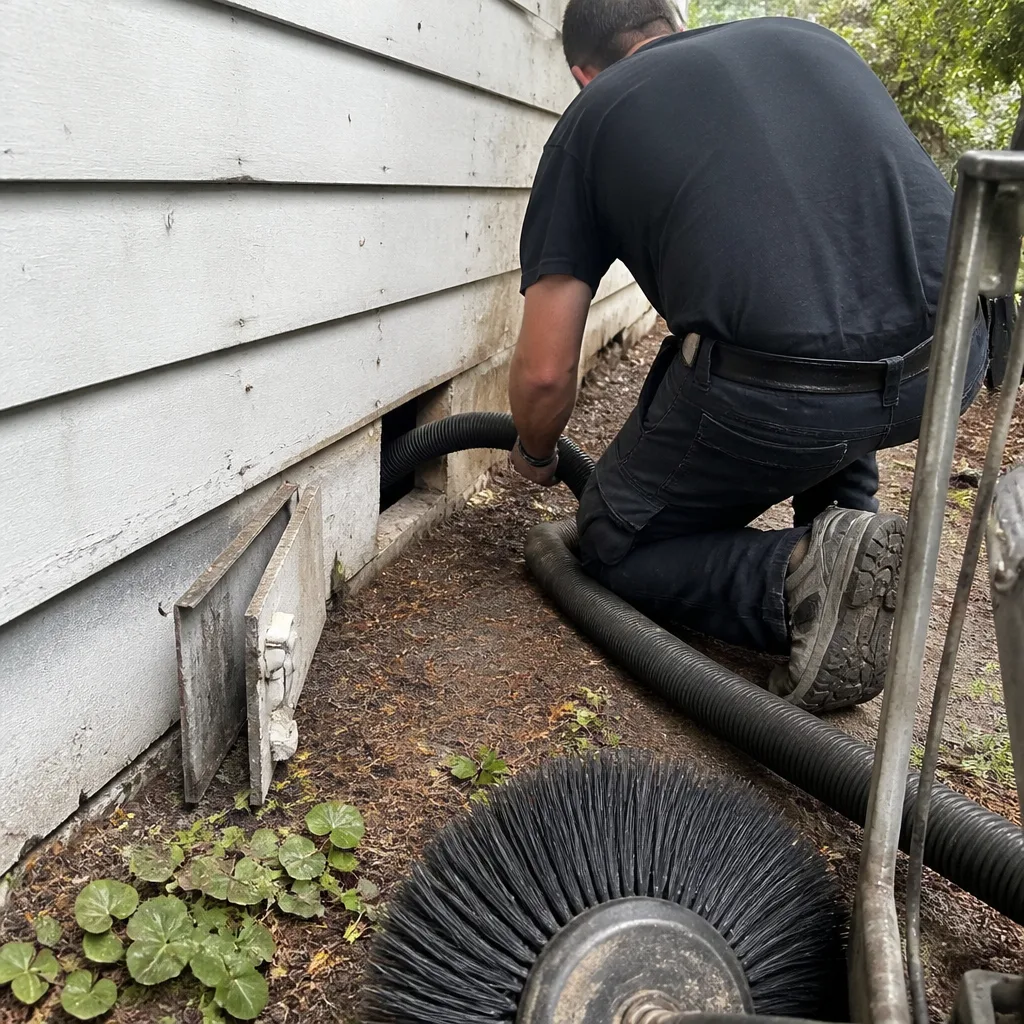 Before
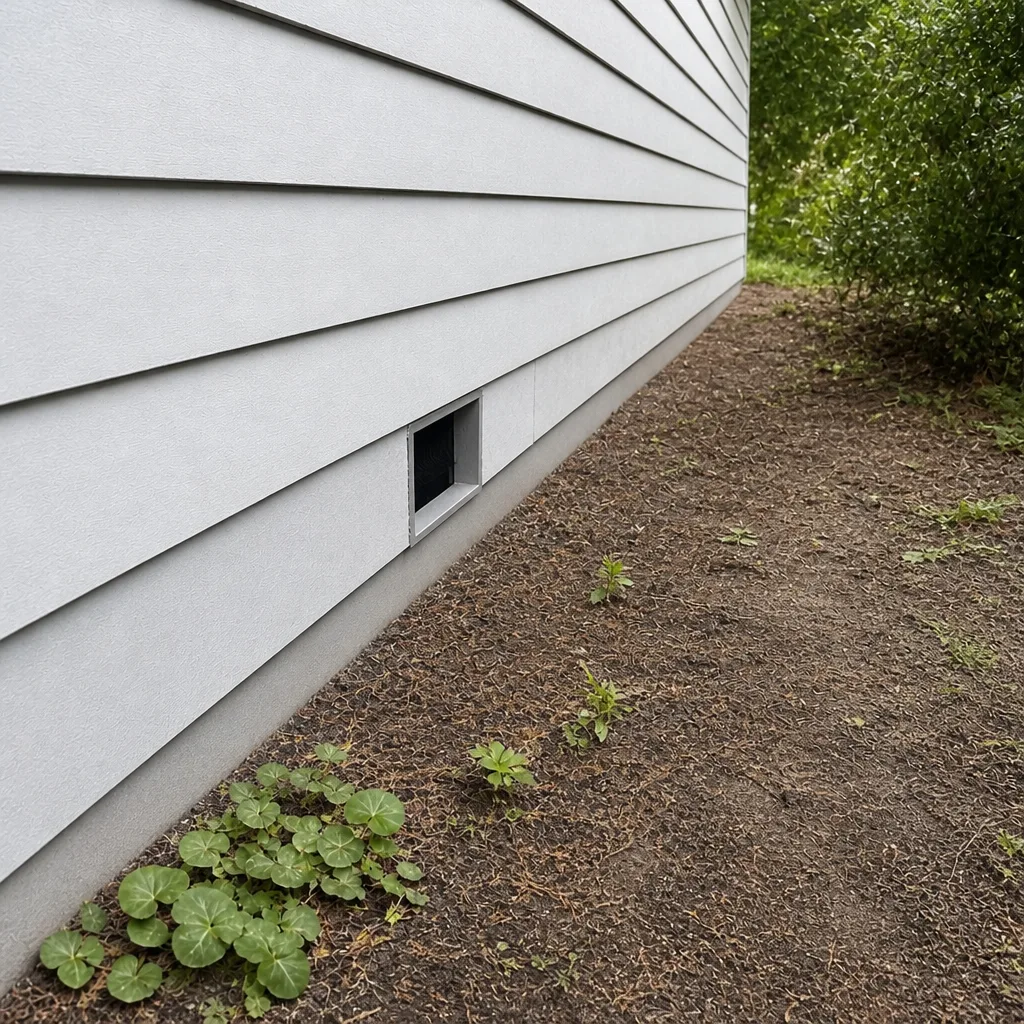 After
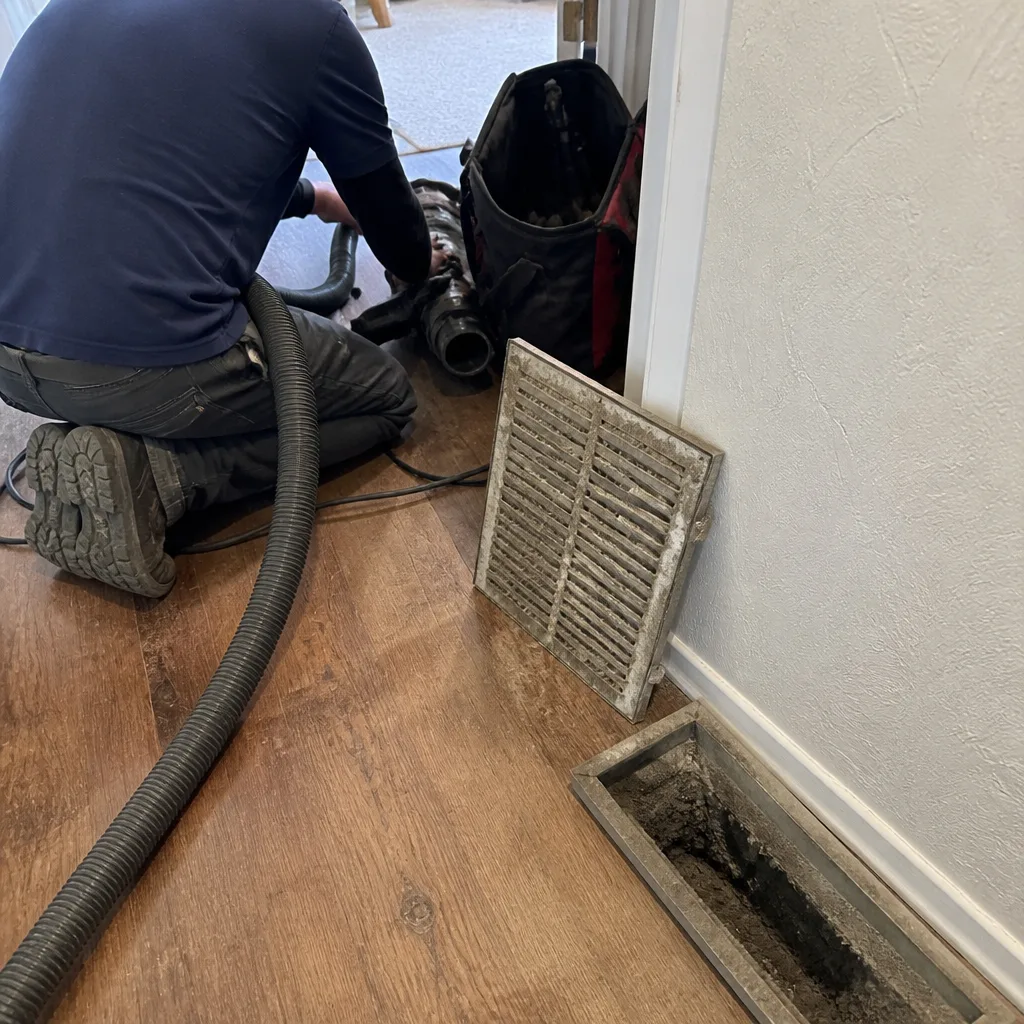 Before
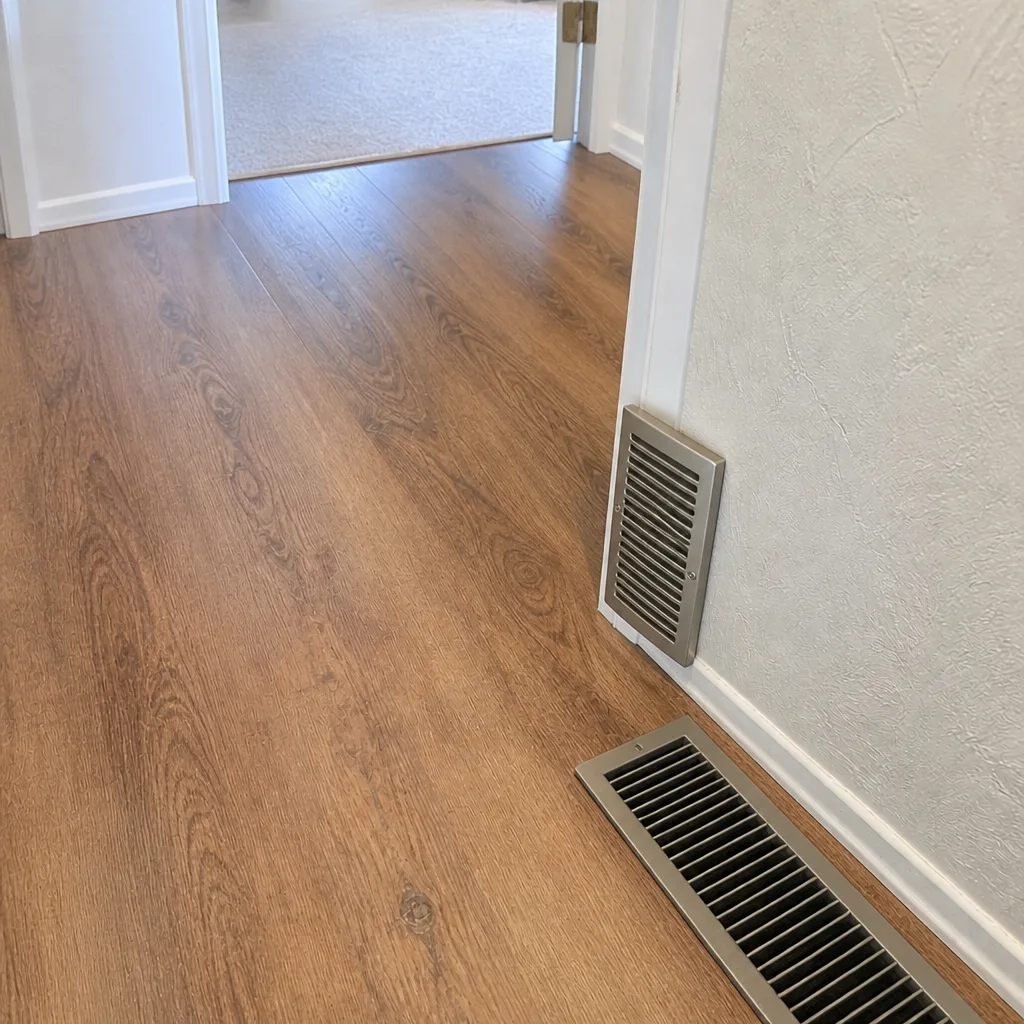 After
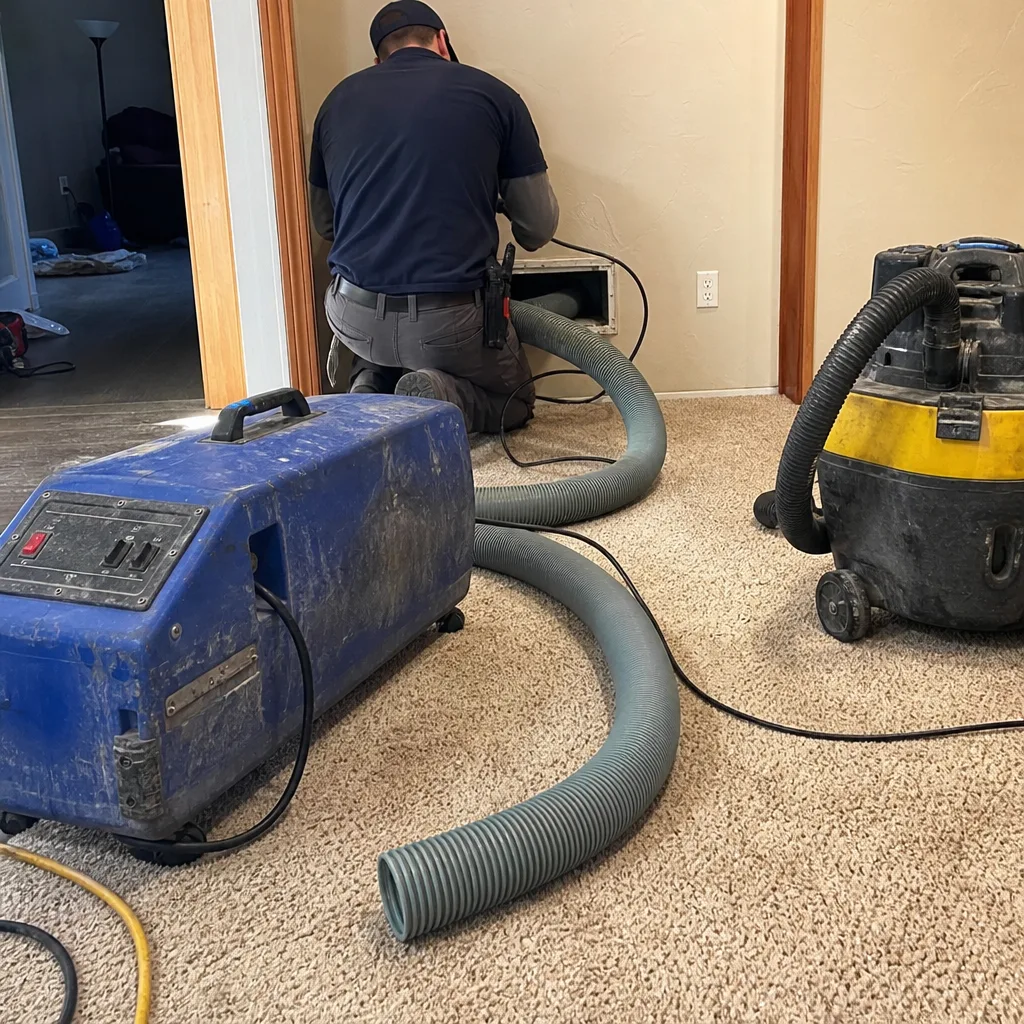 Before
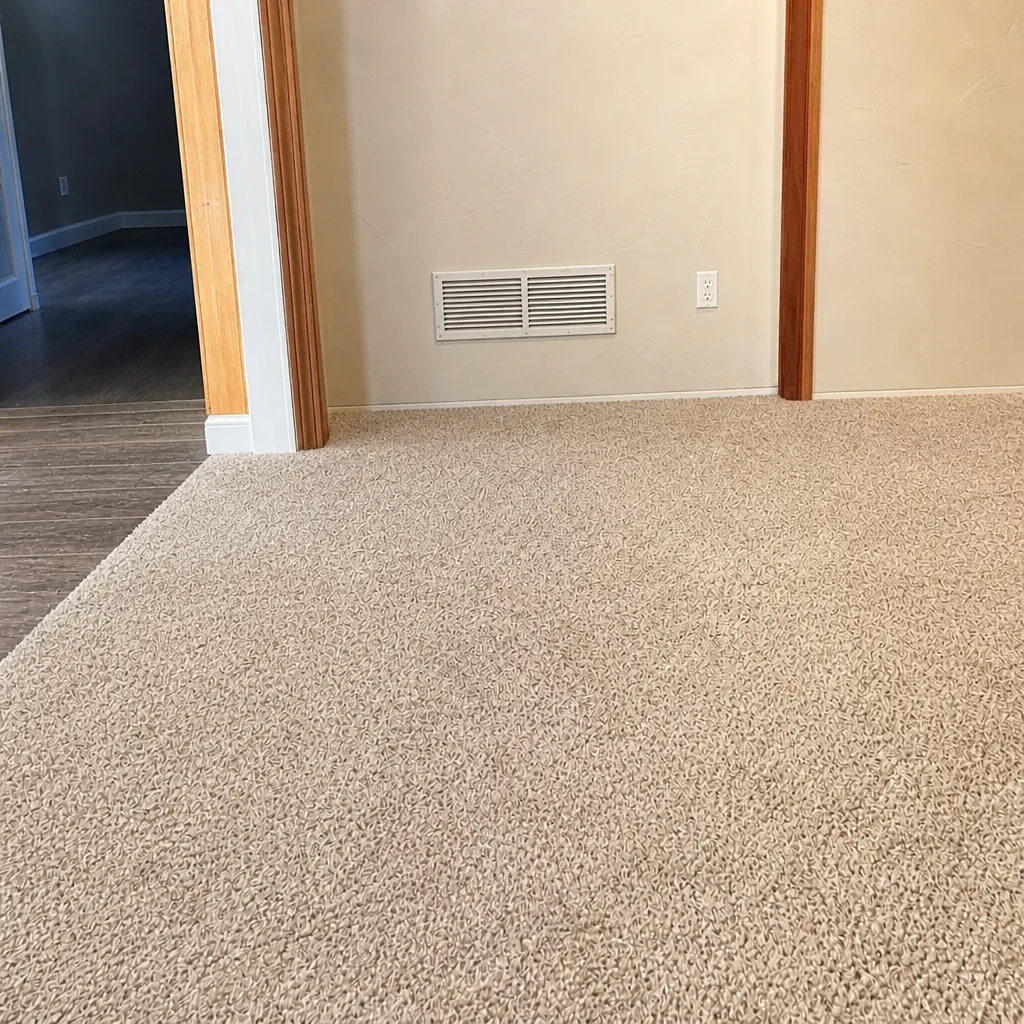 After
When to Call a Professional
Call a professional when you see any two or more of the visual or performance signs in this guide together, when a smell returns after a previous cleaning, or when a room has no airflow at all. For Englewood homeowners, the highest-value call is when you’re seeing consistent room-by-room temperature gaps while the furnace is running normally – that’s usually a duct integrity problem, and fixing it often resolves both the temperature gap and the dust. Mold and rodent evidence are urgent and shouldn’t wait. If you’ve recently remodeled, or if your Englewood home was built between 1970 and 1995 and hasn’t had a duct inspection, a professional assessment is worth doing proactively. Englewood Air Duct Cleaning Pros offers free estimates in Englewood – call (877) 492-4041. Our technicians have up to 8 years of experience, and we handle cleaning, sealing, repair, and sanitizing as one scope, so a failed joint doesn’t become a second appointment. We use Abatement Technologies HEPA filtration during the work to keep dislodged contaminants out of your living space, and we work with the systems you already own – Honeywell and Aprilaire compatible. Looking for a full set of duct services in one place? Learn more on our Englewood Air Duct Cleaning Pros page.
Frequently Asked Questions
The difference comes down to whether the problem is contamination or integrity. If you’re seeing dust returning quickly, a stale smell that’s come back after a previous cleaning, or a room-by-room temperature gap while the furnace is running normally, you’re likely looking at a duct integrity or repair issue rather than a simple cleaning. If the only sign is a light film on register grilles, cleaning alone is usually enough. In our experience, the fix is often both – clean the system, then seal any joint that’s failed. A proper assessment will tell you which is which before any work is quoted.
Visible growth, a persistent musty smell that returns quickly after cleaning, or moisture staining near a register are the three clearest indicators. Mold in ductwork always has a moisture source feeding it, so detection alone isn’t enough – the moisture has to be identified and addressed. If you suspect mold, don’t run the system more than necessary, and don’t treat it as a routine cleaning. Have it assessed by a professional, and ask specifically about sanitizing as a separate step after cleaning. We treat air quality and sanitizing as a documented service that targets what vacuuming alone can’t remove, not an add-on.
There’s no single correct interval, and anyone who tells you otherwise is guessing. The right schedule depends on your home: pets, smokers, recent remodeling, allergy sufferers, or a home in the 1970 – 1995 build window with original duct materials all shorten the cycle. A reasonable starting point is to have the system inspected every few years, and to have it cleaned when the signs in this guide appear rather than on a fixed calendar. If you call (877) 492-4041, we’ll quote an exact assessment – estimates are free, and a whole-system quote in writing is the only number you should rely on. We can also bundle dryer vent cleaning into the same visit, since that vent has its own timeline.
We quote per system, by written estimate, based on the size and configuration of the ductwork – not per vent. Whole-system pricing depends on the condition found, whether repair and sealing are needed, and whether sanitizing is included. What we don’t do is quote a low per-vent teaser that becomes a much bigger invoice once the technician is on site. Ask for a whole-system quote in writing before any work starts, ask for before-and-after photos of your own ducts, and treat a per-vent price as a red flag rather than a bargain. Call (877) 492-4041 for an exact quote – estimates are free.
A low quote usually reflects a narrow scope, not a better deal. The common patterns are a per-vent teaser price that expands on site, a cleaning that skips the crawlspace and attic runs, and equipment that doesn’t reach the interior duct surfaces. Consumer-grade tools look adequate on paper but don’t do the same job as professional systems like Rotobrush and Nikro. Ask what the quote includes, whether sealing is part of the scope, and whether the technician will walk the accessible runs before work begins. If the answer to any of those is vague, be skeptical.
Before-and-after photos, a written scope, and a technician who can explain what was found and why it matters. Ask for the photos specifically of your own ducts, not stock images. A legitimate assessment also documents any leaks or repair points found, so you can see the difference between what was cleaned and what was sealed. If a company can’t or won’t provide that documentation, consider it a warning sign. Call (877) 492-4041 if you’d like a free estimate and a written scope before anything starts – our team can walk you through what a professional-grade job includes.
The Bottom Line
The signs that matter most are the ones you can pattern rather than the ones you notice once. Visible dust returning within days, a musty smell that comes back after cleaning, and room-by-room temperature gaps while the furnace is fine all point toward duct integrity, not poor housekeeping or bad equipment. In an Englewood home built between 1970 and 1995, those signs deserve a proactive inspection because the original materials likely have a limited service life. Mold and rodent evidence move you to urgent. A real assessment includes the crawlspace and attic runs, a written scope, and before-and-after photos. If you’re seeing the pattern, call (877) 492-4041. We answer 24/7, fast dispatch from 7am to 7pm, Sunday through Friday. Free estimates, whole-system pricing in writing, and a scope that includes cleaning, repair, sealing, and sanitizing. For a related look at the system upstream, see HVAC cleaning.
Written by the team at Englewood Air Duct Cleaning Pros.