
Last updated November 25, 2026
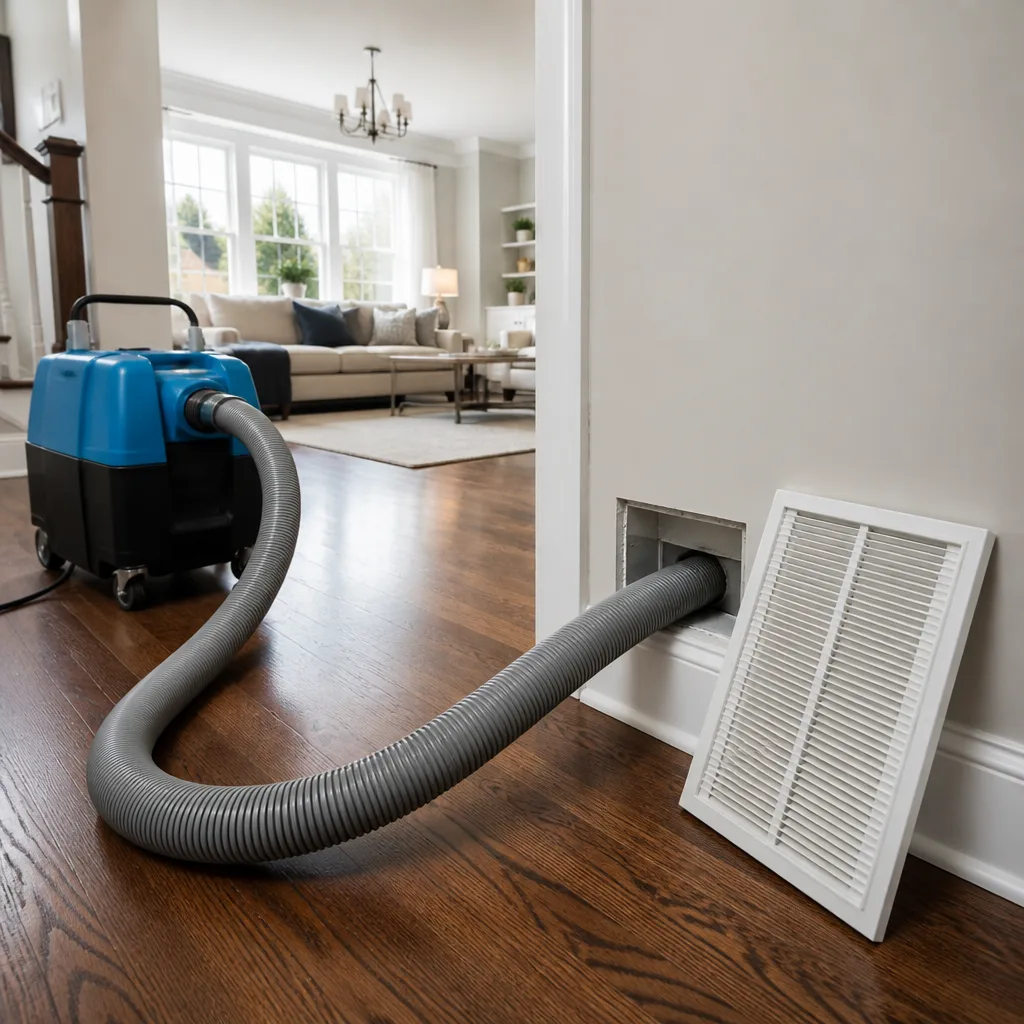 Whole-home duct cleaning
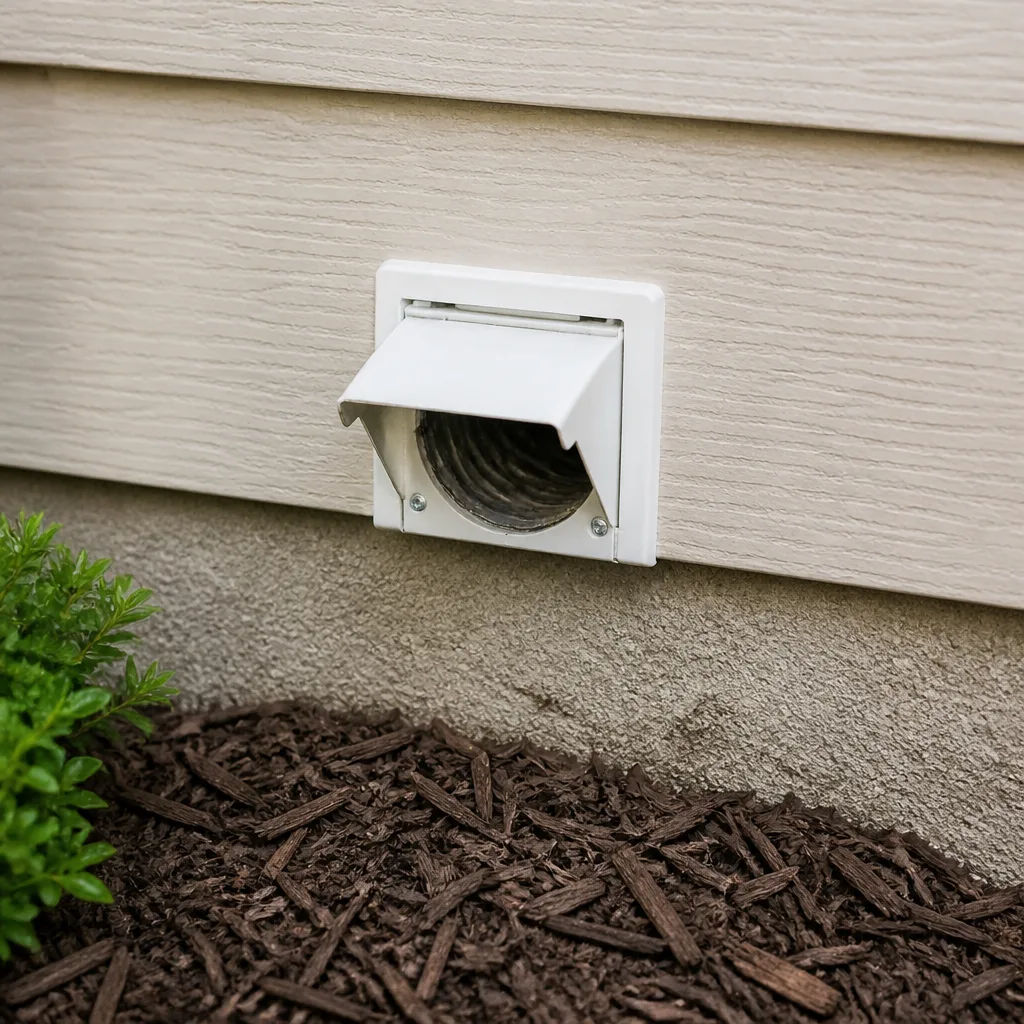 Dryer vent cleaning
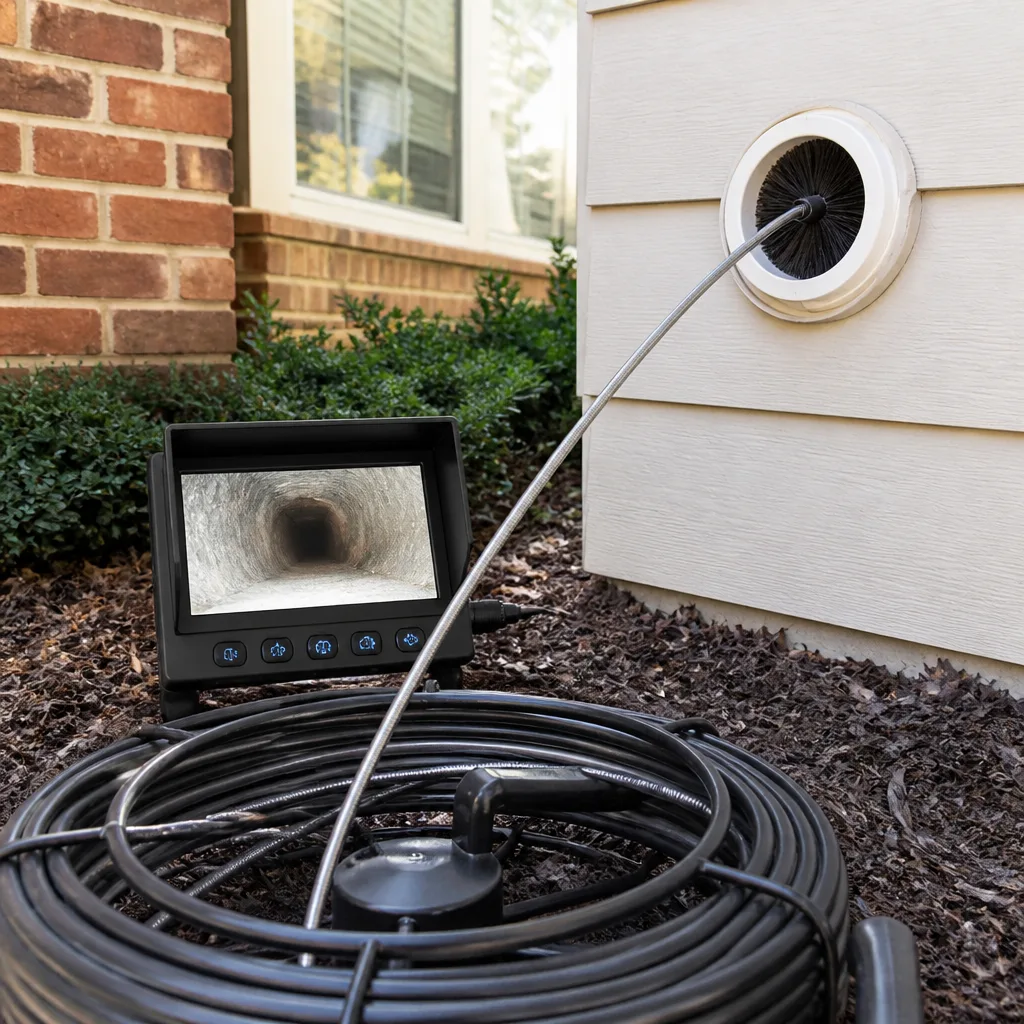 Camera inspection
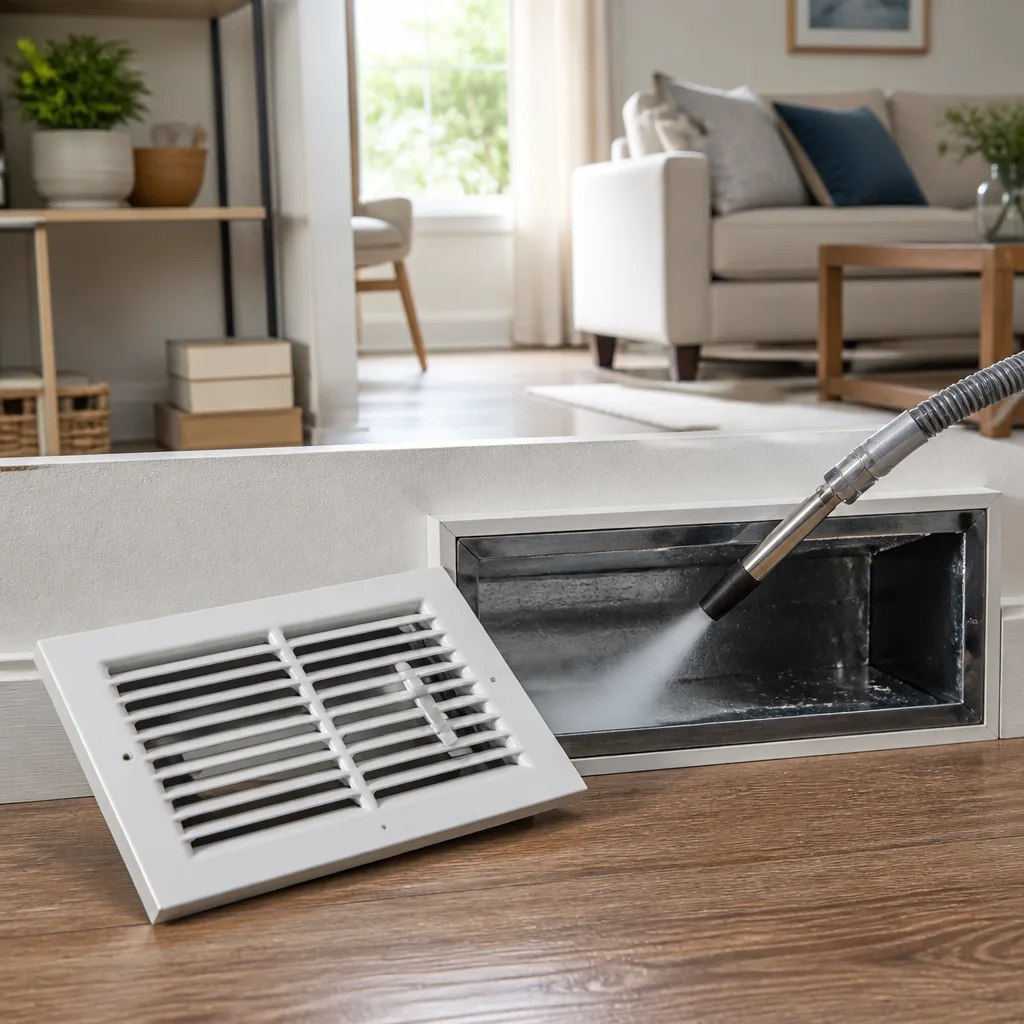 Sanitizing & deodorizing
Whole-system duct and dryer vent check with before-and-after photos - you see exactly what came out of your vents
That "$99 whole-house special" is a bait ad - the real number appears once they are in your hallway, or the "clean" is a shop-vac at the register. We photograph the inside of your ducts before and after instead.
Choosing the Right Air Duct Cleaning Brand: A Buyer’s Guide for Englewood
Here’s the uncomfortable part of shopping for duct cleaning in Englewood: brand recognition tells you almost nothing about the work you’ll get. Several national franchises operate across the Denver metro using the same portable equipment as the unlicensed operator who knocks on doors, and the franchise fee buys marketing, not cleaning outcomes. What actually determines whether your ducts come out clean is the machine on the driveway, the certification level of the person running it, and whether anyone inspected your system before quoting a price. This guide walks you through each of those, with the specific questions that separate a real specialist from a logo.
Quick Answer
Choose an air duct cleaning company in Englewood by equipment, technician certification, and diagnostic process, not by brand name. Ask what vacuum and brush system they run, whether the technician holds NADCA certification, and whether they inspect your ducts before quoting. A local specialist with documented before-and-after results and references you can call will almost always outperform a national brand that farms the job out to a subcontractor.
Styles & brands we work with
- Whole-home duct cleaning
- Dryer vent cleaning
- Camera inspection
- Sanitizing & deodorizing
Table of Contents
- Why Brand Name Matters Less in Duct Cleaning Than Anywhere Else
- What to Evaluate Instead of the Brand
- Franchise Operators vs. Independent Specialists in the Denver Metro
- Diagnostics First: Does the Company Inspect Before It Quotes?
- What “Professional-Grade Equipment” Actually Means
- Scope Documentation: How You Know the Work Was Done
- Local Accountability: References, Results, and the 1-800 Problem
- The Question List to Use Before You Book
Why Brand Name Matters Less in Duct Cleaning Than Anywhere Else
In most trades, a recognizable brand stands behind a standard of work. Duct cleaning doesn’t work that way. A national name sells territories to franchise owners, and the quality of your job depends entirely on what that local owner invested in. Some run proper truck-mounted equipment. Others run a portable unit that fits in a hatchback. Same logo on the invoice, wildly different results.
We’ve seen the pattern enough times to describe it plainly. The franchise model rewards marketing spend, because the parent company’s revenue comes from franchise fees and territory sales. The local owner, meanwhile, competes on the coupon price they can advertise, which pushes toward the cheapest equipment and the fastest visit. That’s not a knock on every franchise operator in Colorado. It’s a description of what the business model rewards.
What makes this matter in Englewood specifically is the housing stock. Plenty of homes here date to the postwar decades, with original or once-replaced galvanized and early flex ductwork that has decades of settled debris, and in some cases failing connections. That’s not a job a light portable vacuum handles well. It’s a job that needs real suction, a brush system matched to the duct material, and someone who checks for leaks while the duct is open.
So the useful question isn’t “which brand should I hire?” It’s “which specific company, with which specific equipment and which specific certification, is going to walk through my door?” That reframing is the whole guide.
What to Evaluate Instead of the Brand
Three things predict the outcome of a duct cleaning job better than any logo: the equipment, the person’s certification, and the process. Here’s how to check each in a short phone call.
1. Equipment specifications. Ask what vacuum they’ll use and how it’s powered. Truck-mounted units deliver far more airflow than portables. Ask whether they use a rotary brush system or air whips, and whether the system is sized for the duct type in your home.
2. Technician-level certification. This is the one most homeowners miss. NADCA certification (the National Air Duct Cleaners Association) can apply at the individual technician level, not just to a company logo on a website. Ask directly: is the person coming to my house certified? A company badge doesn’t guarantee it.
3. Scope documentation. Ask whether you’ll see before-and-after photos of your own ducts, and whether you get a written summary of what was cleaned and what condition it was in. A one-page invoice with a price and no detail tells you little.
- Does the technician hold current NADCA certification?
- What vacuum and brush system will be used in my home?
- Will you inspect before quoting, or is the price fixed sight-unseen?
- Do I get before-and-after photos of my own system?
- Can you fix a leak or bad connection if you find one during the job?
That last question separates the field sharply. A company that only cleans will leave a failing connection exactly where it found it. A company that also handles duct repair and sealing can close the loop on the same visit. For a home in Englewood with older ductwork, that capability matters more than the name on the truck.
Franchise Operators vs. Independent Specialists in the Denver Metro
The Denver metro has no shortage of both, and the difference isn’t moral. It’s structural. A franchise operator pays the parent company for the name and the marketing system, and that cost has to come out of the job somewhere. Independent specialists put that money into equipment and training instead, and they live with the consequences locally.
Here’s how the two typically differ in practice:
- Equipment investment: Independents often run truck-mounted vacuum systems and dedicated rotary brush machines. Franchise operators vary widely, and some run consumer-grade portables.
- Labor model: National brands frequently subcontract jobs to whoever will take the route that week. Independents usually send their own trained technicians.
- Accountability: A local company’s reputation lives and dies in the neighborhoods it serves. A national call center has no such stake in a single job in Englewood.
- Scope: Independents that specialize in the full duct system (cleaning, sealing, sanitizing, dryer vent) can handle what they find. Duct-only franchises often refer out.
When you call a 1-800 number and the dispatcher can’t tell you which technician is coming or what machine they’ll use, that’s the structure showing. When a local company can answer those questions in the first thirty seconds, that’s not a coincidence. It’s the difference between a marketing operation and a technical one. If you want a sense of what the technical version looks like, our own air duct cleaning process is documented end to end, and it’s the fair basis for comparison when you’re evaluating anyone else.
Diagnostics First: Does the Company Inspect Before It Quotes?
The single clearest tell of a serious operation is whether they look before they price. A flat rate quoted sight-unseen over the phone is a marketing number, not a diagnosis. Every home’s ducts differ: length of runs, duct material, number of registers, whether returns are sealed, whether a previous remodel left debris inside the system.
A proper diagnostic walkthrough includes checking the furnace and air handler, opening access to main trunk lines, and in many cases running a camera inside the duct. This is particularly important in older Englewood homes where flex duct may have been added during a remodel and the connections weren’t taped properly. A quote without an inspection can’t account for any of that.
Here’s how a diagnostic-based visit usually runs:
- Walkthrough and inspection. The technician examines the air handler, main trunks, and visible connections, and checks for gaps or disconnected runs.
- Camera or access check. With access doors open, they confirm what’s inside the duct and whether any sections are damaged.
- Scope and written estimate. The estimate covers what will be cleaned, what will be repaired, and any sanitizing. The price you agree to is the price you pay.
- Cleaning with containment. HEPA filtration captures dislodged debris rather than recirculating it into the house.
- Post-cleaning documentation. Before-and-after photos of your ducts and a summary of what was found and done.
Ask any company you’re considering how their process compares to that. If the answer is “we just clean the ducts,” you’ve learned what you needed to know.
What “Professional-Grade Equipment” Actually Means
Every duct cleaning ad claims professional equipment. The phrase means almost nothing until you get specific. Three components matter: the vacuum, the brush or agitation system, and the containment filtration.
The Vacuum
Truck-mounted vacuum units move far more air than portable units. The measure is CFM (cubic feet per minute). In practice, a portable unit churning a typical residential system will dislodge debris but not necessarily pull it out of the duct. Truck-mounted units create enough negative pressure in the system to move material out of the way of the brushes and into the collection tank. Ask any company to state what they use.
The Brush System
Rotary brush systems, like those from Rotobrush and Nikro, are standard in the industry because they agitate the duct walls and knock settled debris loose, so the vacuum can pull it away. A pure air-whip or compressed-air approach can loosen debris without the mechanical contact that brushes provide. For a home in Englewood with decades of accumulation, mechanical brushing matters.
Containment Filtration
The third component is what protects your house during the job. HEPA filtration equipment (we use Abatement Technologies units) contains dislodged contaminants at the source rather than recirculating them through the home. Without this, the cleaning process itself can temporarily increase airborne dust and allergen levels. Ask any company whether they use HEPA filtration during the cleaning and where it’s positioned.
If you already own a Honeywell or Aprilaire filtration system in your ductwork, ask whether the company is familiar with those systems and how they’ll protect the media and housing during cleaning. Any experienced technician should be able to answer that without a pause.
Scope Documentation: How You Know the Work Was Done
Duct cleaning has a trust problem, and it’s earned. The homeowner can’t see inside the duct during the job, and the debris disappears with the truck. That’s a setup that allows shortcuts. Documentation is the answer.
Ask for three things before the job and three after:
- Before: a written scope listing what will be cleaned (main trunks, branch runs, returns, registers, air handler) and what will be repaired.
- Before: the technician’s name and certification status, and the specific equipment that will be used.
- Before: the agreed price, flat, for the whole system.
- After: before-and-after photos of your own ducts, showing the same sections cleaned.
- After: a summary of any repairs or sealing completed.
- After: any recommended follow-up (for example, filter replacement timing on a Honeywell or Aprilaire system).
That last point on flat pricing deserves emphasis. Per-vent pricing (a dollar figure per register) is a classic bait-and-switch in this industry. The coupon figure gets you in the door, then each vent adds up. A flat price per system, agreed before work starts, is what a legitimate operation quotes. If a company can’t tell you the total before starting, keep looking.
Our own process includes photographic documentation of every job precisely because it’s the only way to close that trust gap. When you can see the duct before and after, you’re not relying on a claim. You’re looking at the result.
Local Accountability: References, Results, and the 1-800 Problem
A nationally recognized name with a 1-800 number has one structural weakness: the call center isn’t accountable to your neighborhood. That’s not cynicism, it’s how the routing works. The parent company sells the franchise, the franchise owner runs the route, and the technician on your driveway may have been hired through a local temp agency that morning.
A locally accountable Englewood specialist works from a different model. The company lives with its reputation in the same county its customers live in. Referrals come from the same neighborhood. A job gone wrong gets fixed because the owner has something to lose. This shows up most clearly in three places:
- References you can actually call. Ask for the names of two recent customers in the area. A local company can usually provide them. A call center usually can’t.
- Documented results. Before-and-after photos of recent jobs, with the customer’s permission.
- Follow-up capability. If a problem surfaces after the job, the local company is reachable. The national brand sends you back to the call center.
This is where an independent Englewood operation usually pulls ahead. We’re a local company by design, and the technician arriving at your home has an interest in how this job looks in the neighborhood next year. If your ducts need HVAC cleaning beyond the ducts themselves, or a dryer vent cleaned while we’re there, one company can cover all of it without shuffling you to a subcontractor.
The Question List to Use Before You Book
Here’s the practical tool. Copy this list, and use it on every company you call. The quality of the answers separates the field within three minutes.
- “What vacuum will you use in my home?” Truck-mounted is better for most residential systems. A vague answer (“professional equipment”) is a red flag.
- “Is the technician certified at the individual level?” NADCA certification at the technician level matters more than a company badge.
- “Will you inspect before you quote?” A yes here tells you the company diagnoses. A no tells you the price is a marketing number.
- “Is the price flat per system or per vent?” Flat per system, in writing, is what you want. Per-vent pricing is the bait-and-switch pattern.
- “Do you use HEPA filtration during the cleaning?” Containment protects your indoor air during the job, not just after.
- “Can you repair a leaking connection if you find one?” Duct repair and sealing capability closes the loop after cleaning.
- “Will I get before-and-after photos of my ducts?” If not, you’ll have to take their word for it.
- “Do you clean dryer vents as well?” Dryer vents are a leading cause of residential fires and are often skipped by duct-only cleaners.
Any company confident in its operation will welcome these questions. Any company that resists them is telling you something. We’ve structured our own service around being able to answer all eight, and we think that’s the fair standard for anyone chasing the Englewood Air Duct Cleaning Pros comparison.
Common Mistakes to Avoid
- Choosing on the coupon price alone. The cheapest advertised price is almost always the entry point for per-vent upsells. Ask for the flat total for your whole system before booking.
- Assuming a national brand means better service. Franchise territories vary wildly in equipment and training. The logo on the truck is not a quality standard; the machine in the driveway is.
- Skipping the inspection step. In older Englewood homes with original ductwork, a sight-unseen quote can’t account for failing connections or debris left from past remodels. Insist on an inspection first.
- Cleaning without sealing. Cleaning leaky ducts and leaving them leaky defeats the purpose. If the company can’t repair or seal, you’re paying for half the job.
- Ignoring the dryer vent. Many homeowners book duct cleaning and forget the dryer vent entirely. It’s a leading cause of residential fires and should be part of the conversation.
- Skipping sanitizing after biological contamination. If you’ve had a mold issue, a pest problem, or persistent allergy symptoms, cleaning alone removes debris but doesn’t address biological contaminants. Ask whether sanitizing is offered as a documented service.
- Not checking certification at the technician level. A company website logo doesn’t guarantee the person arriving at your door is certified. Ask directly.
See the difference
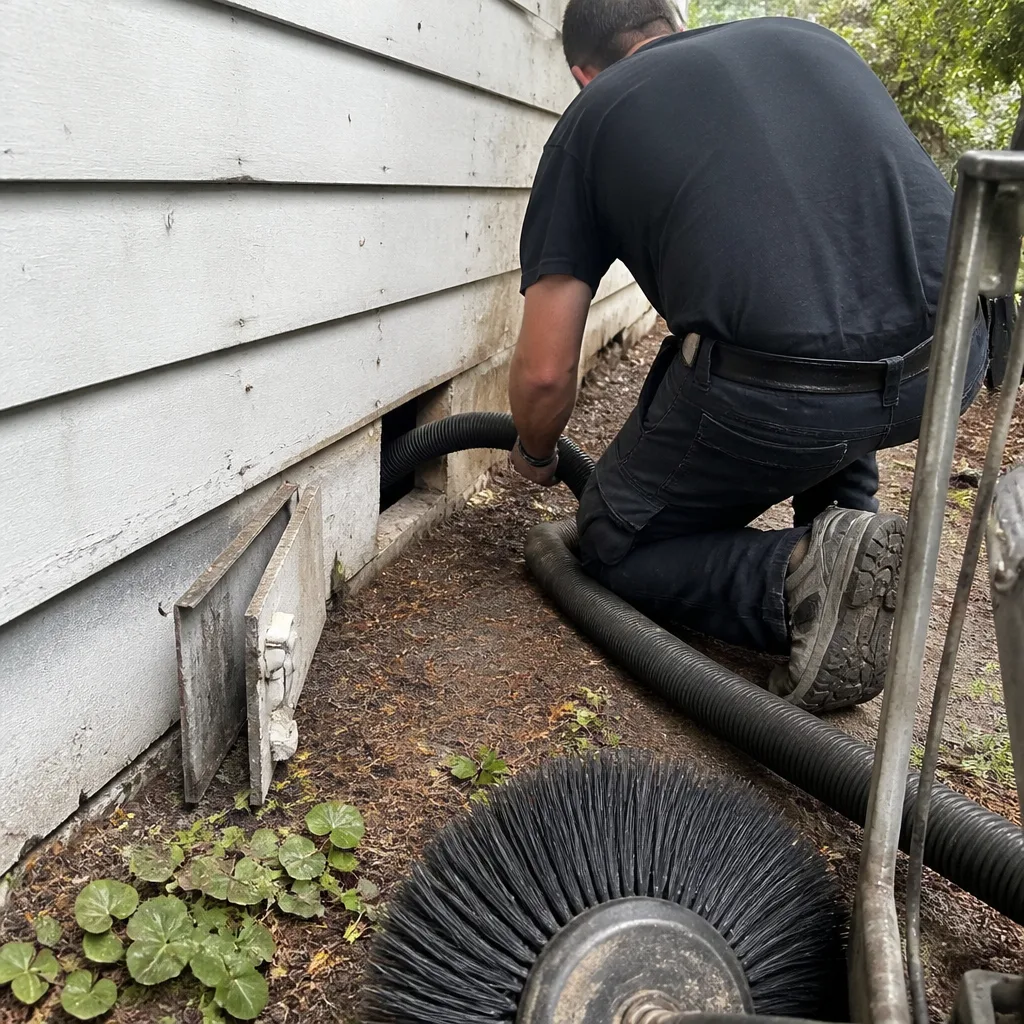 Before
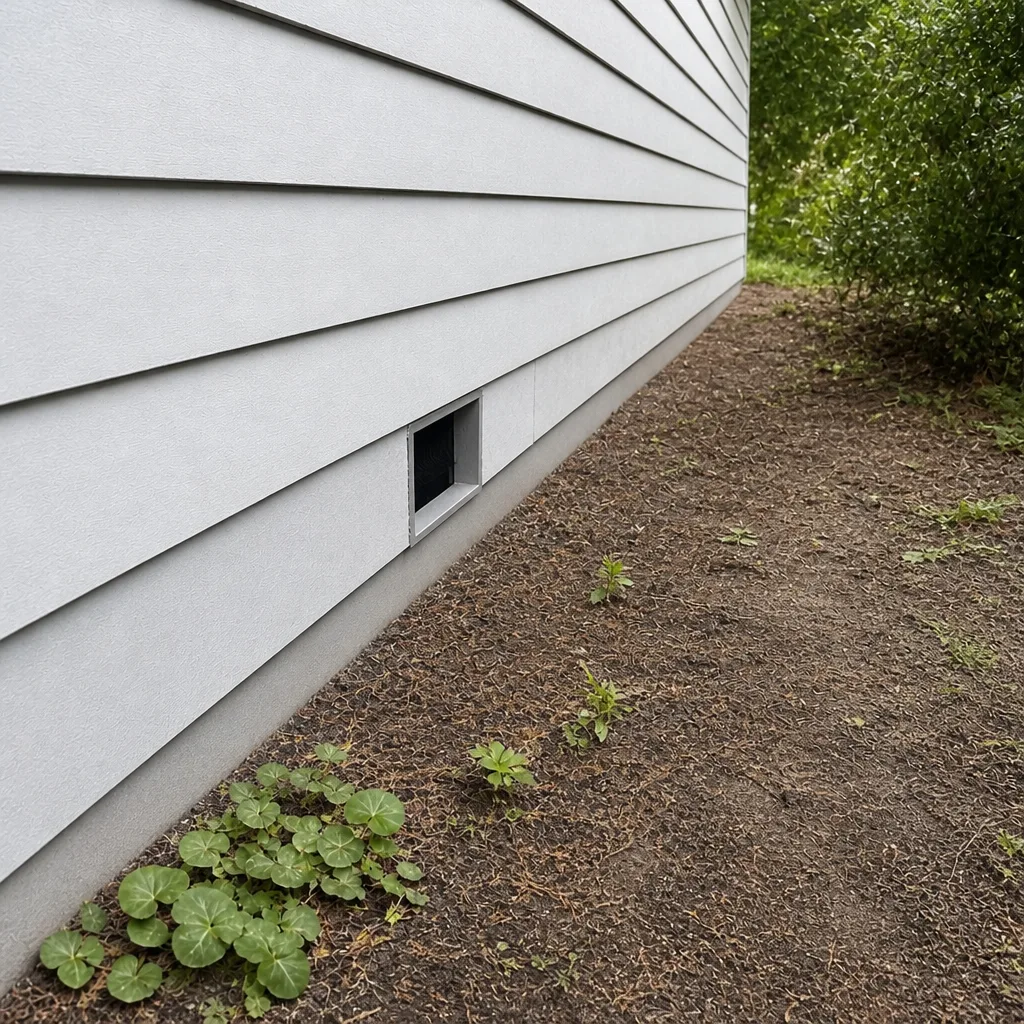 After
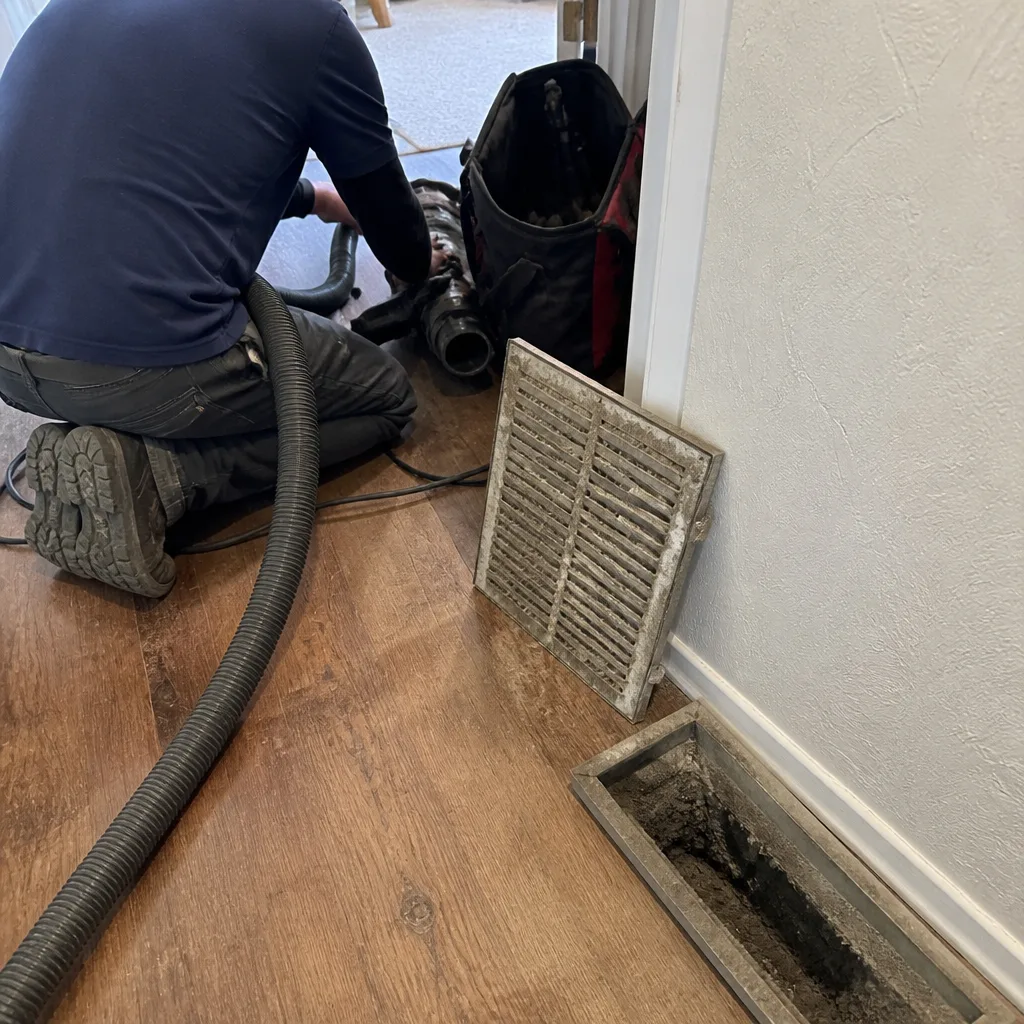 Before
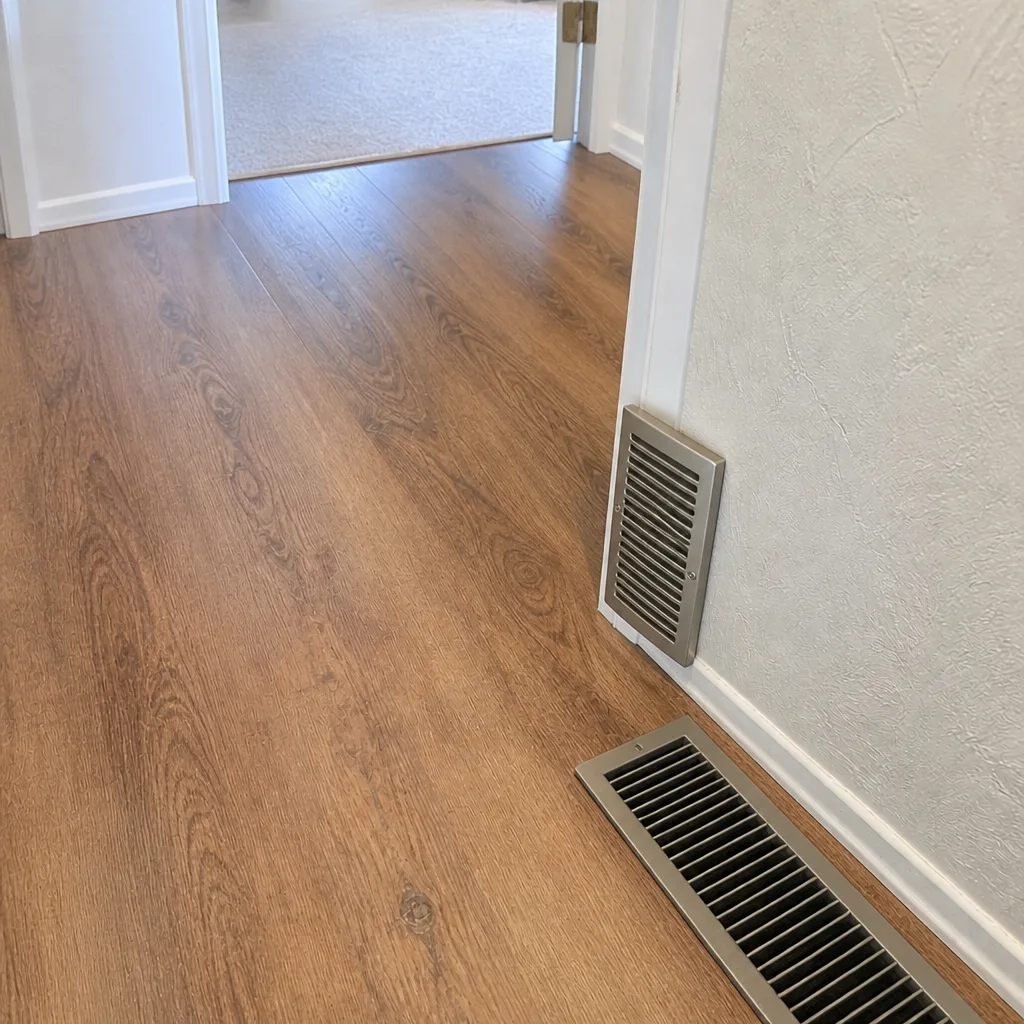 After
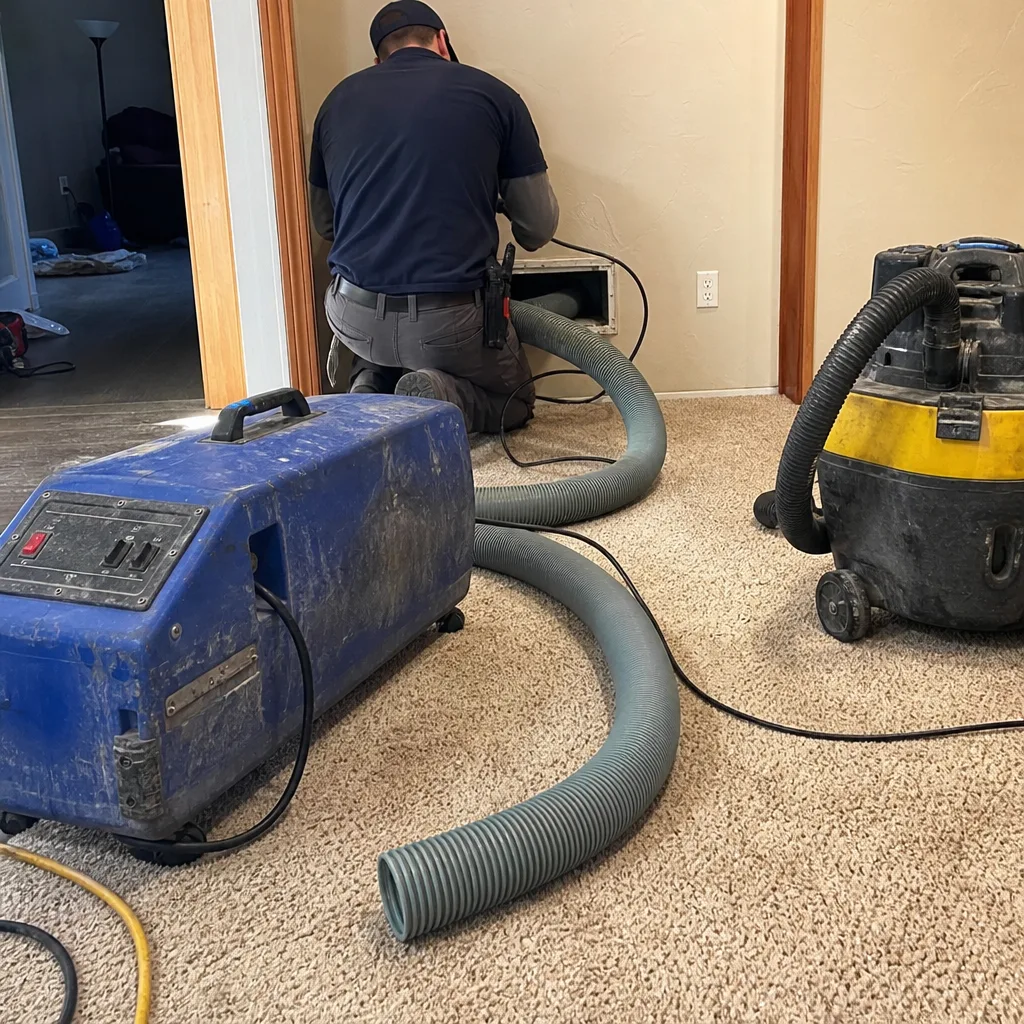 Before
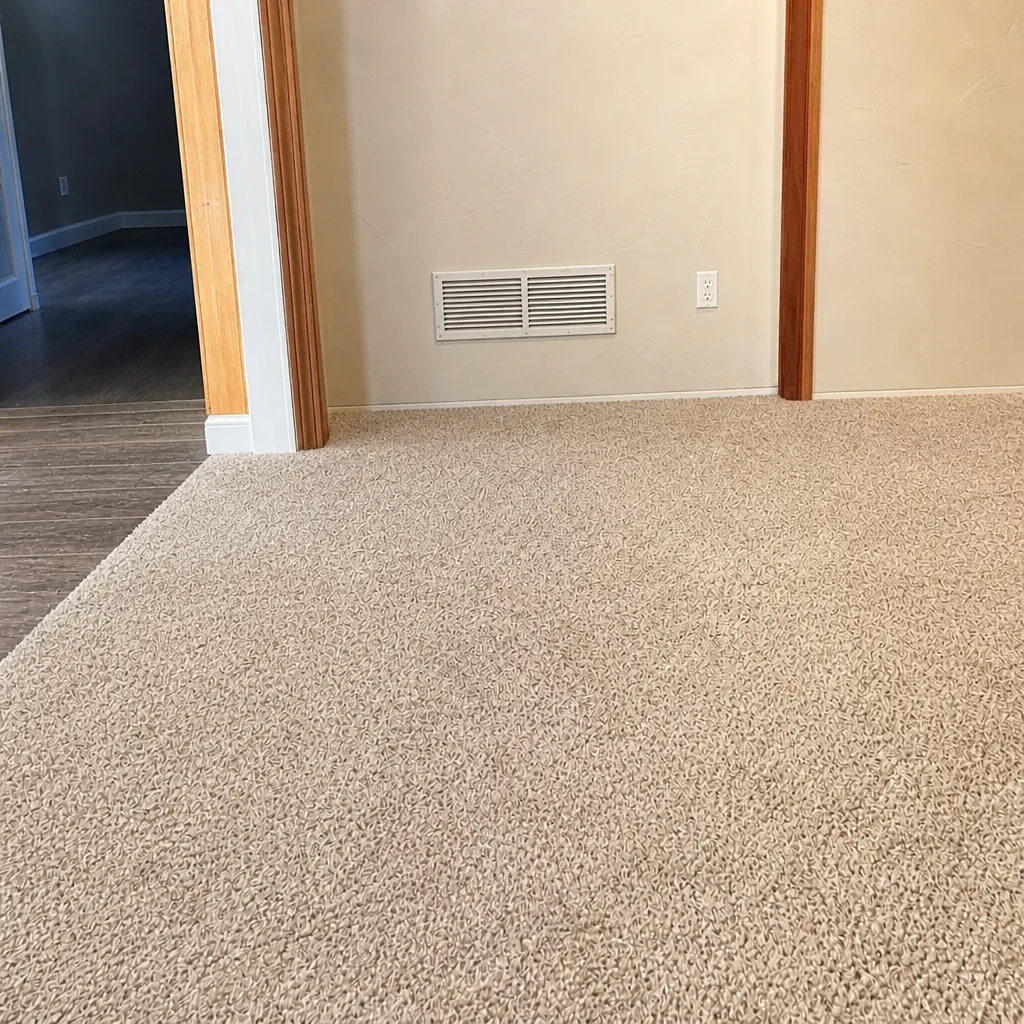 After
When to Call a Professional
Some situations call for a full duct cleaning and some call for an inspection. Call a professional when you notice visible dust streaming from registers after the furnace runs, a persistent musty odor that returns after filter changes, or a recent renovation that left drywall dust in the return system. Call if a family member’s allergy symptoms flare indoors and improve outside. Call if you’ve just bought a home in Englewood and don’t know the duct history, or if the dryer takes longer than it used to (that’s a dryer vent warning). And call if you see water staining near the air handler, which can mean mold inside the duct insulation. Englewood Air Duct Cleaning Pros offers free estimates in Englewood. Call (877) 492-4041 and we’ll walk you through what to expect.
Frequently Asked Questions
Rather than a name, look for three things: a local company, professional-grade equipment (truck-mounted vacuum, rotary brush system like Rotobrush or Nikro, HEPA containment), and technician-level NADCA certification. A company that inspects before quoting and provides before-and-after photos of your own ducts is the one to book. Call (877) 492-4041 if you’d like to compare our process against anyone else you’re considering.
Ask three questions: what vacuum and brush system they use, whether the technician holds current certification, and whether the price is flat per system or per vent. Legitimate operations answer all three without hesitation. Per-vent pricing and sight-unseen quotes are the two most common patterns of bait-and-switch in this industry. If a company resists these questions, keep looking.
Not by default. Franchise quality varies by territory owner, and some run consumer-grade portable equipment that’s the same as unlicensed operators. What matters is the specific equipment, the certification level of the technician arriving at your home, and whether the company is accountable to the local market. A local Englewood specialist with documented results and references generally outperforms a national brand that subcontracts the work.
Yes. You should be present for the inspection and the initial walkthrough so the technician can show you what they find before starting, and so you can review the scope and pricing. You don’t need to watch the entire cleaning, but being around for the beginning and end is the best way to get the before-and-after documentation. Scheduling is straightforward: dryer vent cleaning or duct work can be booked for a specific time, and the technician will confirm what they need from you when they arrive.
In practice it means three things: a truck-mounted vacuum that moves enough CFM to actually evacuate debris from the duct, a rotary brush system that agitates the duct walls so the vacuum can pull material away, and HEPA containment filtration that captures dislodged contaminants during the job rather than recirculating them through your home. Any company using a portable vacuum without a brush system and without HEPA containment is not running professional-grade equipment, regardless of what the ad says.
Most homes need professional duct cleaning every three to five years, sooner if you’ve had a renovation, a pest issue, a mold problem, water damage near the ductwork, or if someone in the household has respiratory sensitivities. In Englewood’s older housing stock, ducts that have never been cleaned may need an inspection first to assess condition. Call (877) 492-4041 to talk through your specific situation before booking.
The Bottom Line
The brand name on the truck matters less than the machine on the driveway, the certification of the person running it, and whether anyone inspected your ducts before quoting. In the Denver metro, national franchises and unlicensed operators sometimes run identical portable equipment; the difference is in the local company that invest in truck-mounted vacuums, rotary brush systems, HEPA containment, and technician-level training. When you call, ask the eight questions above. Any company that answers them all clearly, inspects before quoting, and offers a flat price per system with before-and-after photos is worth booking. That’s the standard we hold ourselves to in Englewood.
Englewood Air Duct Cleaning Pros offers free estimates in Englewood. Call (877) 492-4041 for a walkthrough and a written estimate you can compare against any other quote. We answer 24/7. Fast dispatch from 7am to 7pm, Sunday through Friday.
Written by the team at Englewood Air Duct Cleaning Pros.